

Choose an option to see quick actions and get help faster.
.svg)
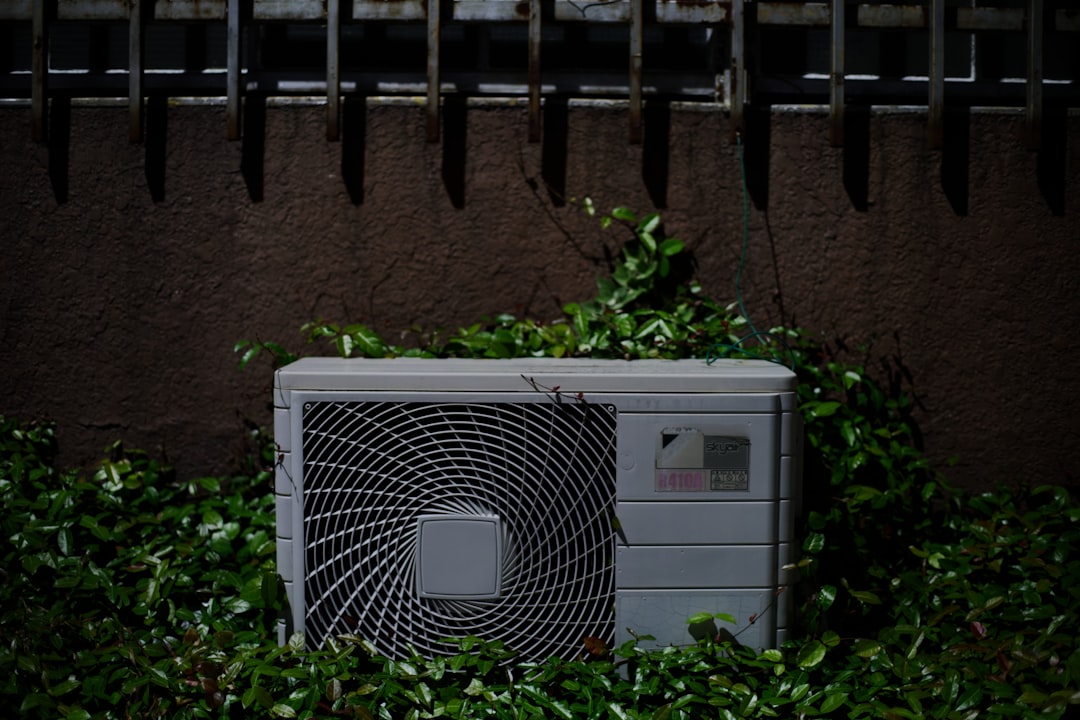
Is Your AC Sending You Warning Signs? Here's What to Watch For
AC repair red flags that mean you need a new system are easier to spot than most homeowners think — and catching them early can save you from a stressful breakdown on the hottest day of a Central Virginia summer.
Most AC systems last between 10 and 15 years. After that, performance drops, repair bills climb, and your home starts to feel it. If your system is aging, struggling to keep up, or costing more to run than it used to, it may be telling you something important.
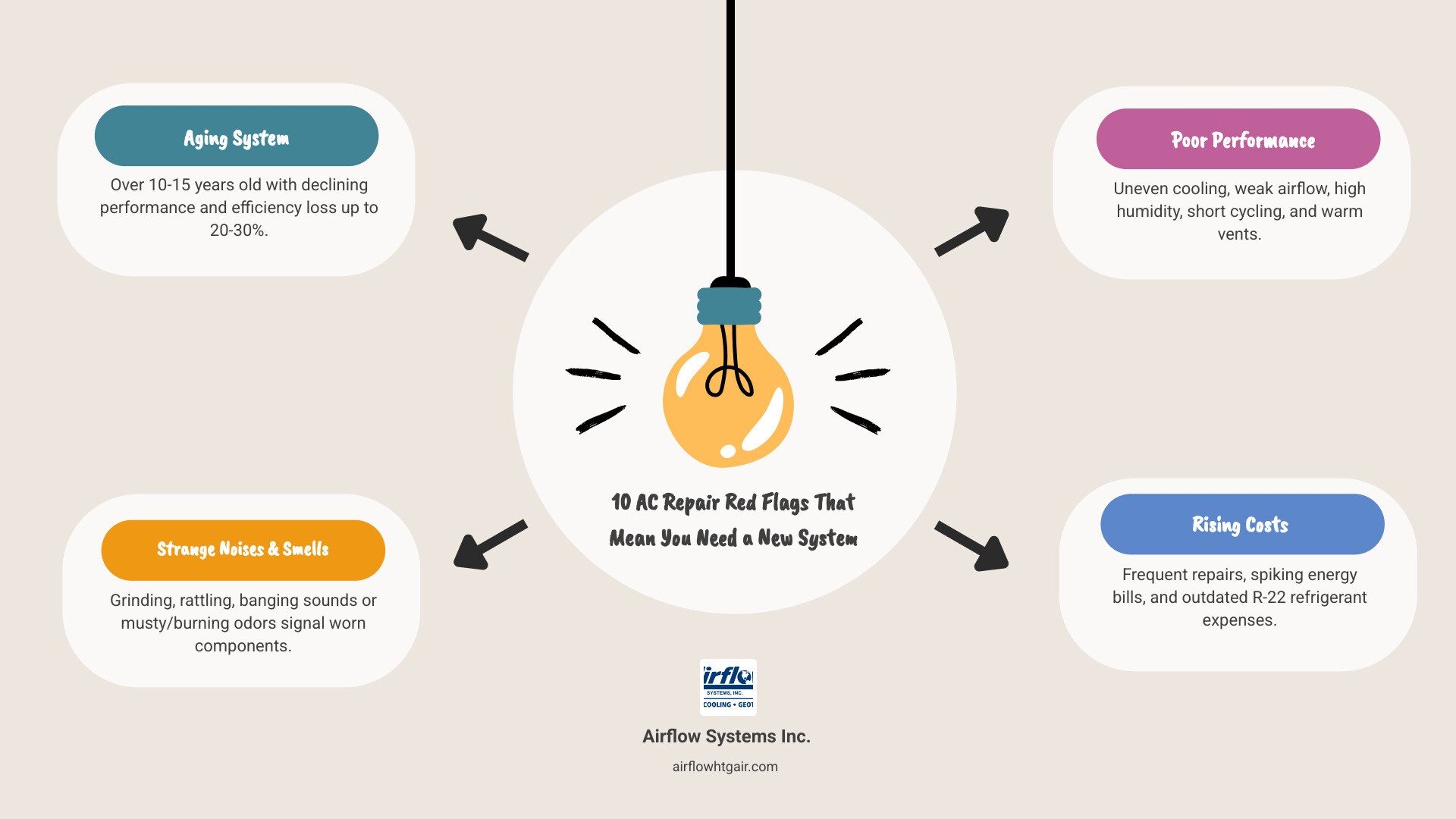
Here are the key red flags that signal replacement over repair:
• System age over 10–15 years with declining performance
• Rising energy bills not explained by weather or usage changes
• Frequent or costly repairs adding up season after season
• Uneven cooling or warm air coming from vents
• Strange noises like grinding, rattling, or banging
• Musty or burning odors from the system or vents
• Excess indoor humidity or moisture near the unit
• Short cycling — the system turning on and off too frequently
• Outdated R-22 refrigerant making repairs increasingly expensive
• Weak airflow throughout the home
If several of these sound familiar, keep reading — this guide walks through each one so you can make a confident, informed decision.
I'm worried my cooling unit is failing. What are the ac repair red flags that mean you need a new system in Charlottesville?
Living in Central Virginia, we know that our summers aren't just hot; they are incredibly humid. Our air conditioners work overtime to strip that moisture out of the air while keeping our living rooms at a crisp 72 degrees. But like any hard-working machine, an AC unit has a finite lifespan. When you start noticing that your home isn't quite as "comfy" as it used to be, it’s time to look at the nameplate.

One of the first things we check during a professional HVAC evaluation is the manufacture date. While some high-end units can stretch to 20 years, the Department of Energy notes that older systems typically lose 20% to 30% of their efficiency over time. In Charlottesville, where the humidity can make a 90-degree day feel like 100, that loss of efficiency means your unit is running longer and harder just to achieve mediocre results.
Age and efficiency: ac repair red flags that mean you need a new system
If your system was installed back in 2011 or 2012, it has likely entered its "retirement years." Even if it’s still running, it’s probably doing so at a much higher cost than a modern unit. A poorly maintained system can lose about 5% of its efficiency every single year. By the time it hits the decade mark, it could be operating at half its original capacity.
Whether you have a traditional central air unit or a Heat Pump, the wear and tear of Virginia’s fluctuating seasons takes a toll. We often see systems that have "aged out" because the internal components, like the compressor or the evaporator coil, are simply tired. Replacing these major parts on a 13-year-old system is often like putting a new engine in a car with 300,000 miles—it might fix one problem, but the rest of the machine is still old.
Strange sounds and smells: ac repair red flags that mean you need a new system
Your air conditioner should be a quiet background player in your home. If it starts auditioning for a heavy metal band, that’s a major red flag.
• Grinding Noises: This often points to worn-out bearings in the motor.
• Rattling or Banging: This usually means something has come loose or a part is failing inside the compressor.
• Hissing: This is a classic sign of a refrigerant leak.
Beyond sounds, pay attention to your nose. If you smell something "musty," it could indicate mold growth within the unit or your ductwork—a common issue in our humid climate. A "burning" smell is even more urgent, as it often signals electrical components are overheating or wires are fraying. If you encounter these, it’s best to schedule an AC Repair immediately to diagnose whether the system is safe to continue operating.
Performance Warning Signs: From Uneven Cooling to High Humidity
Sometimes the red flags aren't loud noises or smells; they are subtle shifts in your home’s atmosphere. You might find yourself constantly nudging the thermostat down, yet never feeling truly cool.
Air Quality and Comfort Issues
If you notice that your bedroom is a freezer but your kitchen is a sauna, your system is struggling with uneven cooling. This can be caused by failing motors or a system that can no longer push air through the ducts effectively. Speaking of ducts, did you know that leaky ductwork can waste up to 30% of your conditioned air? That’s air you’ve paid to cool that never even reaches your living space.
Another sign that you might need a new system is "clammy" air. A healthy AC unit acts as a dehumidifier. If your indoor humidity feels high despite the AC running, the system is no longer effectively removing moisture. This leads to dust buildup, poor filtration, and a home that feels sticky rather than cool.
• Airflow — Normal Operation: Strong and consistent from all vents — Failing System (Red Flag): Weak, fluttering, or warm air
• Cycle Length — Normal Operation: Steady cycles (15-20 mins) — Failing System (Red Flag): Short cycling (turning on/off every few mins)
• Indoor Humidity — Normal Operation: 30% - 50% (Comfortable) — Failing System (Red Flag): Over 60% (Sticky/Clammy)
• Noise Level — Normal Operation: Low hum or "white noise" — Failing System (Red Flag): Grinding, screeching, or banging
• Energy Bills — Normal Operation: Predictable based on weather — Failing System (Red Flag): Sudden, unexplained spikes
If you've been reading our Reviews, you’ll see that many of our Charlottesville neighbors decided to upgrade when they realized their old systems were just "moving air around" without actually cooling or cleaning it.
The Financial Decision: When Frequent Repairs Outweigh the Value
We understand that a new HVAC system is a significant investment. However, there comes a point where "patching it up" becomes the more expensive route. We use two main rules of thumb to help our customers decide.
1. The $5,000 Rule: Multiply the age of your equipment by the cost of the repair. If the total exceeds $5,000, replacement is generally the smarter financial move. For example, a $600 repair on a 10-year-old unit equals $6,000—time to consider an upgrade.
2. The 50% Rule: If a single repair cost is more than 50% of the price of a new system, it’s rarely worth the investment to fix the old one.
Another major financial red flag is the type of refrigerant your system uses. If your unit was manufactured before 2010, it likely uses R-22 (Freon). This refrigerant has been phased out due to environmental regulations. Because it is no longer produced, the cost to "recharge" an old system with R-22 is astronomical. In many cases, a single refrigerant leak in an R-22 system is the "death knell" for that unit.
Long-Term Savings and Reliability
While the upfront cost of a new system is higher than a repair, the long-term savings are substantial. New ENERGY STAR® certified systems can save you 20% to 30% on your monthly utility bills compared to units from just a decade ago.
When you factor in our current Promotions and flexible Financing options, the monthly energy savings can often offset a significant portion of the payment for a new, reliable system. Plus, you get the "peace of mind" that comes with a fresh manufacturer’s warranty—something an old, repaired unit can never offer.
Frequently Asked Questions about AC Replacement
How do I know if I should repair or replace my system?
If your system is under 10 years old and the repair is minor, fixing it is usually the way to go. However, if you are facing "ac repair red flags that mean you need a new system" like frequent breakdowns, R-22 refrigerant needs, or a repair bill that fails the "$5,000 rule," replacement is likely the better long-term value.
Can regular maintenance extend my AC's life?
Absolutely! Proper maintenance can reduce the risk of major breakdowns by up to 95%. Routine cleanings can boost airflow by 10% to 46% and keep your system running efficiently for its full 15-year expected lifespan. We always recommend at least one professional tune-up per year to catch small issues before they become "red flag" disasters.
When is the best time to schedule a professional evaluation?
Don't wait for a total breakdown in the middle of a July heatwave. The best time for an evaluation is in the spring or early summer. This gives you time to explore your options, look at different models, and schedule an installation without the urgency of a cooling emergency.
Conclusion
At Airflow Systems Inc., we’ve been part of the Charlottesville community since 1988. We are a family-owned business that values honesty and local expertise. We aren't here to sell you something you don't need; we’re here to ensure your family stays comfortable and safe in the Central Virginia heat.
If you’ve noticed any of these ac repair red flags that mean you need a new system, don't ignore them. Whether it’s a strange sound, a spike in your electric bill, or a unit that’s just too old to keep up, we can provide a professional, honest assessment of your system’s health. Learn more About Us and our commitment to quality, and let us help you decide if it's time for a repair or a fresh start.
Schedule your Charlottesville AC evaluation today and breathe easier knowing your home comfort is in expert hands.
Book Expert Service Or Contact Us
Our Service Process
A Hassle-Free Service Experience
01
Consultation & Diagnosis
We start by listening to your needs and performing a thorough diagnosis of your system to recommend the best solution.
02
Transparent Quoting
We provide a clear, upfront estimate with no hidden fees, so you know exactly what to expect.
03
Expert Service & Follow-Up
Our factory-trained technicians complete the work to the highest standards, and we follow up to ensure your complete satisfaction.
testimonials
What Our Customers Are Saying
Our customers consistently praise our exceptional service and attention to detail, making us a trusted choice for all your HVAC needs.
where we operate
Service areas