


Choose an option to see quick actions and get help faster.
.svg)
Ductless Mini Split Systems Explained: What Every Homeowner Should Know

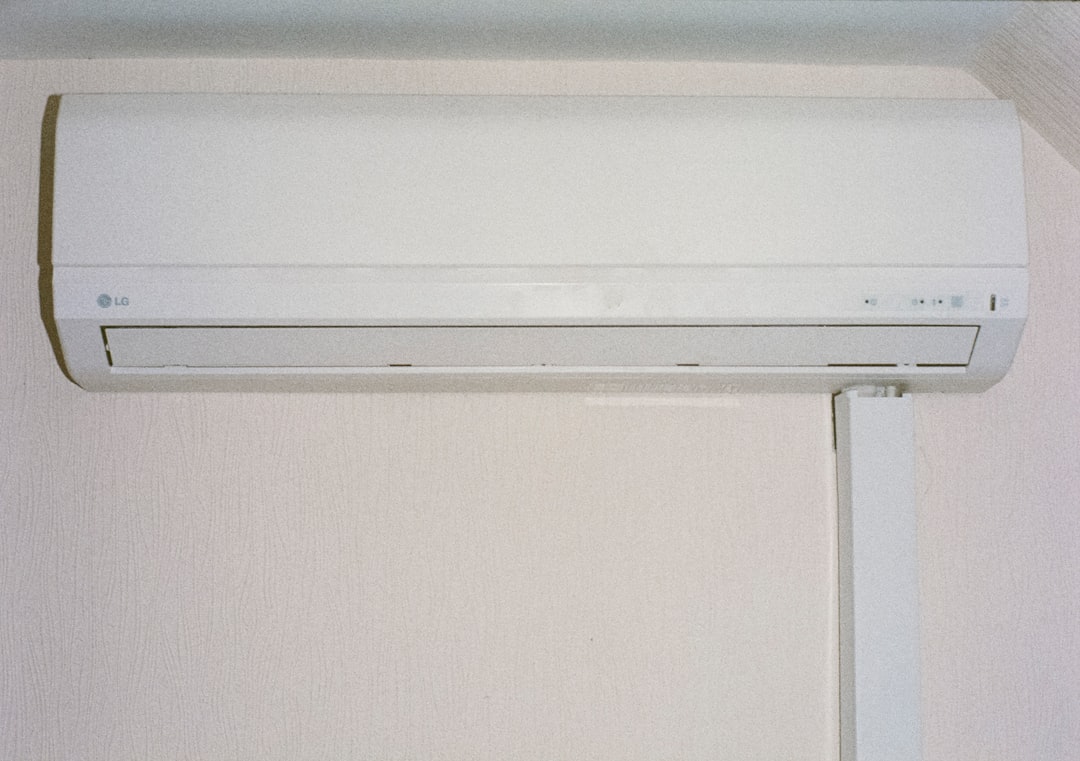
Ductless mini split systems explained simply: they are heating and cooling systems that work without any ductwork, using a small outdoor compressor connected to one or more indoor air handlers via refrigerant lines run through a small hole in your wall.
Here is a quick breakdown of how they work:
• Outdoor unit - houses the compressor and transfers heat between your home and the outside air
• Indoor unit(s) - mounted on your wall or ceiling, delivering conditioned air directly into the room
• Refrigerant lines - connect the two units through a roughly 3-inch hole in the wall
• Controls - each indoor unit has its own thermostat, remote, or app for zone-by-zone temperature control
• Heat pump function - most mini splits both heat and cool, making them a year-round solution
If you live in an older home in Central Virginia without existing ductwork, or you have a room addition, garage, or basement that your central system just cannot reach, a ductless mini split is likely the most practical and energy-efficient fix available to you.
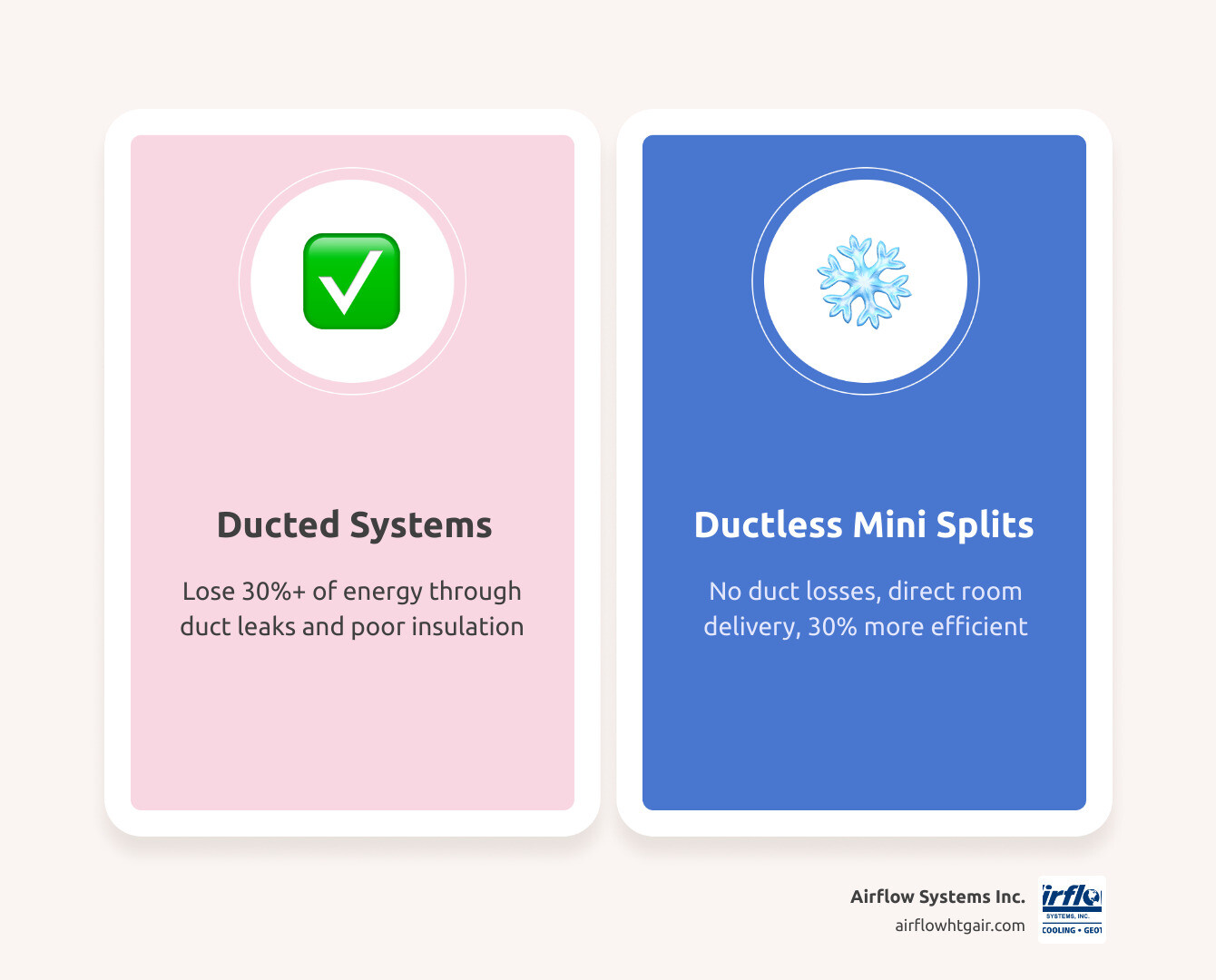
Traditional ducted systems can lose more than 30% of their energy through leaks and poor insulation in the ductwork alone. Mini splits sidestep that problem entirely. They are also notably quieter, easier to install, and give you room-by-room control that a single central thermostat simply cannot match.
This guide from Airflow Systems Inc. walks you through everything you need to know — from how the technology works, to sizing, installation, maintenance, and whether going ductless is the right move for your home.
Ductless Mini Split Systems Explained: How They Work
To truly understand ductless mini split systems explained, we have to look at the science of heat transfer. Unlike a furnace that creates heat by burning fuel, a mini split moves heat from one place to another. It consists of two primary components: an outdoor condensing unit and one or more indoor air-handling units.
These units are linked by a "conduit" which houses the power cable, refrigerant tubing, and a condensate drain line. In the summer, the indoor unit's evaporator coil absorbs heat from your room's air. The refrigerant carries that heat to the outdoor unit, where it is squeezed by a compressor and released into the outside air. In the winter, the process simply runs in reverse—even in chilly Charlottesville winters, there is enough ambient heat in the outside air for the system to harvest and bring indoors.
Because these systems deliver air directly into the "zone" where the indoor unit is located, they avoid the massive energy losses associated with central forced-air systems. If you are looking for more information on how we can help optimize your home's climate, explore our HVAC services.
The Role of the Inverter Compressor
One of the "secret ingredients" that makes modern mini splits so efficient is inverter technology. In a traditional central AC system, the compressor is either 100% on or 100% off. It’s like driving a car by flooring the gas pedal until you hit 60 mph, then slamming on the brakes until you hit 50 mph, and repeating.
With ductless mini split systems explained through the lens of an inverter, think of it more like cruise control. The compressor can vary its speed, running at 20%, 50%, or 100% capacity depending on the actual demand in the room. This results in:
• Energy savings: By avoiding the high-energy "startup" surge of traditional motors, you can reduce energy consumption by up to 40%.
• Precise temperature control: Your room stays within a degree of your setting, rather than experiencing the "swing" of traditional systems.
• Quieter operation: Since the unit rarely needs to run at full blast, it stays whisper-quiet most of the time.
Understanding the Reversing Valve
How does a single unit provide both ice-cold air in July and cozy warmth in January? The answer is the reversing valve. Located in the outdoor unit, this component changes the direction of the refrigerant flow.
When you switch to heating mode, the outdoor coil becomes the evaporator (absorbing heat from the outside) and the indoor coil becomes the condenser (releasing heat into your living room). This thermal transfer is incredibly efficient because it is much easier to move heat than to create it. This technology allows many premium systems to provide 100% cooling capacity at 130°F and maintain significant heating capacity even when temperatures drop well below zero, ensuring year-round comfort for Central Virginia residents.
Single-Zone vs. Multi-Zone Configurations
When we discuss ductless mini split systems explained, we usually categorize them by how many rooms they cover.
• Indoor Units — Single-Zone System: One — Multi-Zone System: Up to 8 (depending on brand)
• Outdoor Units — Single-Zone System: One — Multi-Zone System: One
• Best For — Single-Zone System: Single rooms, garages, or sunrooms — Multi-Zone System: Whole-home cooling or multiple rooms
• Control — Single-Zone System: One thermostat — Multi-Zone System: Independent thermostats for every room
• Installation — Single-Zone System: Very simple and fast — Multi-Zone System: More complex refrigerant line routing
A single-zone system is perfect for that one "problem room" that is always too hot or cold. A multi-zone system, however, allows you to turn your home into a series of independent climate zones. You can keep the kitchen cool while you're cooking while leaving the guest bedroom off to save energy. This level of control is also a boon for indoor air quality systems, as it prevents the cross-contamination of air between different parts of the house that often occurs with shared ductwork.
Sizing Your System for Maximum Efficiency
Getting the size right is critical. If a system is too small, it will run constantly and never get the room comfortable. If it is too large, it will "short cycle," turning on and off so quickly that it fails to dehumidify the air, leaving you feeling clammy.
We use BTU (British Thermal Units) to measure capacity. As a general guideline:
• 12,000 BTU: Usually works for rooms between 400 and 650 square feet.
• 18,000 BTU: Ideal for 600 to 1,000 square feet.
• 24,000 BTU: Handles larger open-concept spaces up to 1,300 square feet.
However, sizing isn't just about square footage. Our team also looks at your ceiling height, the quality of your insulation, and how many windows are in the room. A sun-drenched room with 12-foot ceilings in Charlottesville will require more "oomph" than a shaded basement suite of the same size.
Key Advantages of Going Ductless
Why are so many homeowners in Central Virginia making the switch? The benefits go far beyond just "not having ducts."
1. Massive Energy Efficiency: Ductwork is notoriously leaky. Industry data shows that more than 30% of energy consumption for air conditioning is lost through ducts. By going ductless, you keep all that conditioned air (and money) inside your living space.
2. Quiet Operation: Traditional central air systems can be noisy, with the sound of rushing air and pinging metal ducts. In contrast, many indoor mini split units operate at just 19 to 20 decibels—that is quieter than a whisper. Outdoor units are equally impressive, often operating at 46 decibels, which is the level of a normal conversation.
3. Easy Installation: Unlike a central system that requires tearing open walls to run bulky ducts, a mini split requires only a three-inch hole in the exterior wall. This makes it a top choice for our AC installation services.
4. Zoned Comfort: Stop the "thermostat wars." If one person likes the bedroom at 68°F and another prefers 72°F, a multi-zone mini split makes everyone happy.
Design Flexibility and Aesthetics
In the early days, mini splits were often criticized for being "bulky white boxes" on the wall. Today, the design options have expanded significantly to fit any home decor:
• Wall-Mounted Units: The most common and cost-effective option, now featuring sleek, slim profiles.
• Ceiling Cassettes: These mount flush with the ceiling, with only a decorative grille visible. They are perfect for a minimalist look.
• Floor-Mounted Models: Ideal for rooms with limited wall space or for replacing old radiators under windows.
• Concealed Ducted: A hybrid option where a small indoor unit is hidden in a closet or attic, using very short, hidden ducts to serve one or two nearby rooms.
Ideal Applications and Maintenance
Ductless systems are the "Swiss Army knife" of the HVAC world. They are particularly effective in:
• Older Homes: Many historic homes in Charlottesville were built with radiator or baseboard heat and have no room for bulky ductwork.
• Home Additions: It is often much cheaper to install a mini split in a new sunroom or "mother-in-law" suite than to try and tap into an existing central system that wasn't designed for the extra load.
• Garage and Basement Conversions: Transform your garage into a workshop or your basement into a gym without worrying about poor airflow.
To keep these systems running at peak performance, regular maintenance services are essential.
Routine Care for Longevity
While mini splits are incredibly durable, they do require some "TLC" from the homeowner. Because the indoor units are compact, their filters are smaller than central air filters and can clog more quickly.
• Filter Cleaning: You should check and wash your indoor unit's filters every 1 to 4 weeks, especially if you have pets or smoke.
• Outdoor Unit Clearance: Ensure that leaves, snow, or shrubs aren't blocking the airflow to your outdoor condenser.
• Professional Tune-ups: We recommend an annual professional inspection. We check refrigerant levels, clean the coils, and ensure the condensate drain is clear to prevent water leaks.
When properly installed and maintained, a high-quality ductless system can provide reliable comfort for 15 to 20 years.
Frequently Asked Questions about Ductless HVAC
Can mini-splits provide heating in cold climates?
Absolutely. Modern "cold climate" heat pumps are designed specifically for regions like ours. While older heat pumps struggled when the temperature dipped below freezing, today’s premium models can maintain high heating capacity even at -22°F. They are a fantastic, all-electric alternative to propane or oil furnaces.
How easy is the installation process?
Compared to a traditional HVAC overhaul, it is very non-invasive. A typical installation involves mounting the indoor unit, placing the outdoor unit on a pad or bracket, and connecting them via a small three-inch hole. Most single-zone installations can be completed in a single day with minimal disruption to your daily routine. However, it should always be done by professionals to ensure the refrigerant lines are properly evacuated and the manufacturer's warranty remains intact. If you're dealing with an old system that's given up the ghost, you might also consider our AC repairs or furnace repairs if a full replacement isn't in the cards yet.
Are ductless systems quieter than central air?
Yes, by a wide margin. In a central air system, the large fan has to push air through dozens of feet of ductwork, which creates significant noise. In a ductless system, the fan is located right in the room and only needs to move air a few feet. With indoor noise levels as low as 20 decibels, you might actually forget the unit is even running.
Conclusion
Going ductless is one of the smartest upgrades a homeowner in Central Virginia can make. Whether you are looking to solve a "hot spot" in your home, finish a basement, or replace an aging, inefficient central system, ductless mini split systems explained in this guide offer a path to superior comfort and lower utility bills.
At Airflow Systems Inc., we take pride in being Charlottesville’s local HVAC experts. As a family-owned business, we focus on providing personalized comfort solutions that fit your specific home and lifestyle. If you're ready to see how a mini split can transform your home, we also offer specialized furnace installations and heat pump installations for every need.
Ready to take the next step toward a more comfortable, energy-efficient home? Schedule your mini-split consultation with Airflow Systems Inc. today!
Book Expert Service Or Contact Us
Our Service Process
A Hassle-Free Service Experience
01
Consultation & Diagnosis
We start by listening to your needs and performing a thorough diagnosis of your system to recommend the best solution.
02
Transparent Quoting
We provide a clear, upfront estimate with no hidden fees, so you know exactly what to expect.
03
Expert Service & Follow-Up
Our factory-trained technicians complete the work to the highest standards, and we follow up to ensure your complete satisfaction.
testimonials
What Our Customers Are Saying
Our customers consistently praise our exceptional service and attention to detail, making us a trusted choice for all your HVAC needs.
where we operate
Service areas