

Choose an option to see quick actions and get help faster.
.svg)
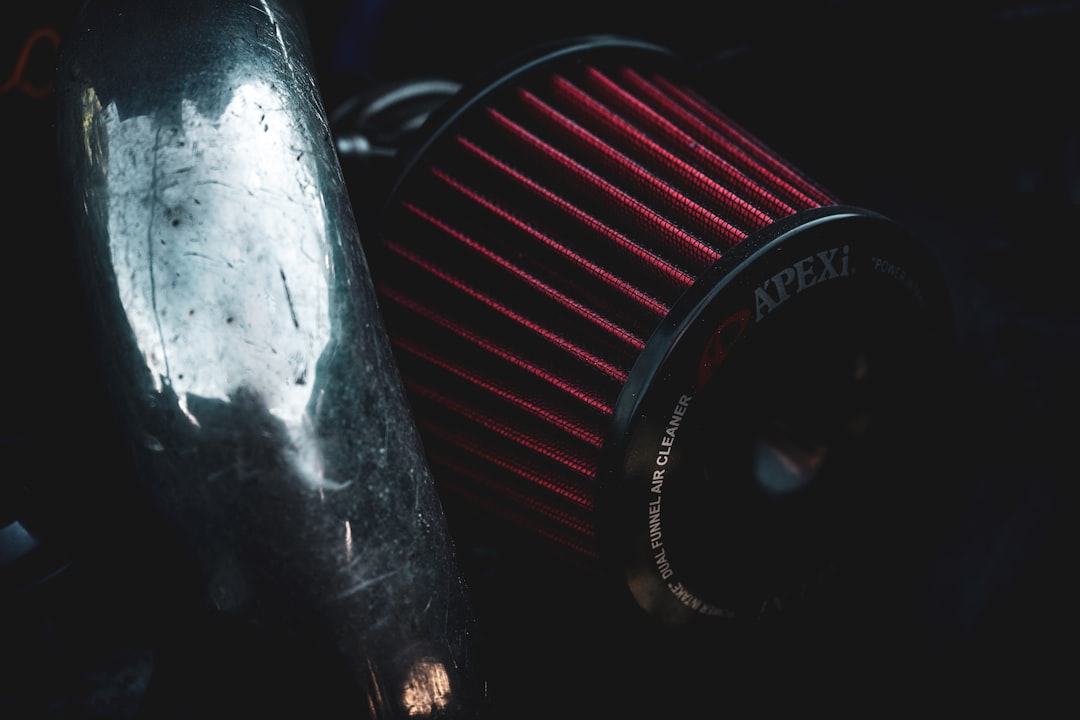
Why How Dirty Air Filters Destroy Your AC Performance Is Something Every Homeowner Needs to Understand
How dirty air filters destroy your ac performance is simpler than most people expect — and the damage starts long before you notice anything wrong.
Here is a quick summary of what happens:
• Airflow gets choked off — A clogged filter acts like a blocked straw, forcing your system to strain just to move air.
• Efficiency drops by up to 15% — The Department of Energy links dirty filters directly to a measurable spike in energy consumption.
• Evaporator coils freeze — Without enough warm air passing over them, coils ice up and cooling stops.
• The blower motor overworks — Running against resistance causes the motor to run hot and wear out faster.
• Short cycling begins — The system turns on and off rapidly as a built-in safety response to overheating.
• Indoor air quality suffers — A saturated filter stops trapping allergens and can even push dust, mold spores, and pet dander back into your home.
• Major components fail sooner — The compressor, the most expensive part of your AC, takes the hardest hit over time.
Think of it this way: your AC is like a runner trying to breathe through a cloth over their mouth. It can push through for a while, but eventually something gives.
Here in Central Virginia, this problem gets worse faster than homeowners expect. Spring pollen seasons, humid summers, and year-round dust load filters quickly — often well before that three-month mark on the calendar. A shocking 29% of Americans never replace their air filter at all, and many others simply wait too long.
At Airflow Systems Heating & Air, we have been serving Charlottesville, VA and the surrounding Central Virginia region since 1988. We see the real-world consequences of neglected filters on a regular basis — frozen coils, burnt-out motors, and sky-high utility bills that all trace back to one small, overlooked component.
The good news is that this is almost entirely preventable. The rest of this guide walks you through exactly what is happening inside your system, what warning signs to watch for, and what to do about it.
How dirty air filters destroy your ac performance
When we talk about how dirty air filters destroy your ac performance, we are really talking about a domino effect of mechanical failure. Your air conditioner is a finely tuned machine designed to move a specific volume of air. When that air is blocked by a wall of dust and pet hair, the physics of the system begin to break down.
The primary function of that filter isn't actually to clean your air (though it does help with that); it is to protect the sensitive internal components of your HVAC system. When the filter is clean, air glides through easily, allowing the system to breathe. When it’s dirty, the system enters a state of high-stress operation. This stress leads to overheating and, eventually, the need for professional AC Repair Services.
Understanding how dirty air filters destroy your ac performance through restricted airflow
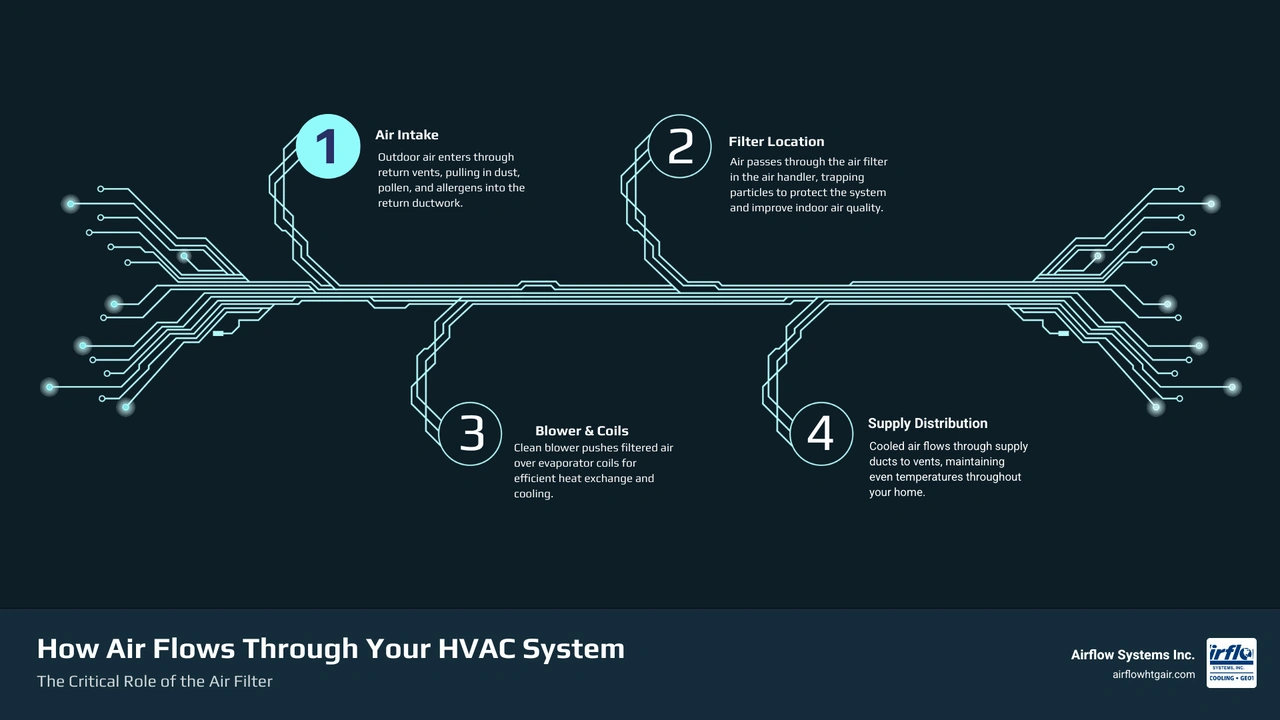
In the HVAC world, we use the term "static pressure" to describe the resistance your blower motor has to overcome to push air through your home. A clean filter has low resistance. However, as debris builds up, that resistance skyrockets.
Think of it like a vacuum effect. The blower motor is trying to pull air through a solid wall of dirt. This creates a massive amount of air resistance, forcing the motor to spin faster and work harder to maintain the same airflow. This extra work generates heat within the motor itself. Over time, this "breathing through a straw" scenario creates immense stress on your ductwork and the air handler. In some cases, the suction can even become so strong that the filter itself bows or collapses into the system, allowing unfiltered air to bypass the filter entirely and coat your internal machinery in grime.
Why ignoring how dirty air filters destroy your ac performance leads to frozen coils
It sounds counterintuitive—how can a dirty filter make things freeze? The answer lies in the heat exchange process. Your AC works by blowing warm indoor air over cold evaporator coils. The refrigerant inside those coils absorbs the heat from the air, cooling it down before it’s sent back into your rooms.
When a dirty filter restricts airflow, there isn't enough warm air passing over the coils to keep the refrigerant at the correct temperature. Because the coils aren't absorbing enough heat, the condensation that naturally forms on them (from Virginia's high humidity) begins to drop below the freezing point. That water turns to ice. Once a layer of ice forms, it acts as an insulator, preventing any heat exchange from happening. This is why you might see ice on the copper lines outside your house even when it’s 90 degrees in Charlottesville. If this happens, your cooling capacity vanishes, and your system may shut down entirely to protect itself.
The Financial and Health Impact of Clogged Filters
The damage isn't just mechanical; it’s financial. Heating and cooling already devour almost 50% of the energy used in a typical American home. When you add a clogged filter to the mix, those costs climb even higher.
• Energy Consumption — Clean Air Filter: Standard / Optimized — Dirty Air Filter: 15% Higher
• Indoor Air Quality — Clean Air Filter: High (Traps 0.3+ microns) — Dirty Air Filter: Low (Recirculates pollutants)
• Airflow Strength — Clean Air Filter: Strong and Consistent — Dirty Air Filter: Weak and Inconsistent
• System Lifespan — Clean Air Filter: 15–25 Years — Dirty Air Filter: Significantly Reduced
• Utility Bill Impact — Clean Air Filter: Baseline Costs — Dirty Air Filter: Notable Monthly Spikes
A dirty air filter can adversely affect your air conditioner’s efficiency by as much as 15%. In the peak of a Central Virginia summer, that 15% can translate into a significant amount of money wasted every single month. To understand more about the environmental factors at play, check out our guide on How Heat and Humidity Drive Up Your Cooling Costs.
Indoor Air Quality and Respiratory Health
Beyond the bills, your health is at stake. The air filter is your home's primary defense against airborne contaminants. High-efficiency particulate air (HEPA) filters are capable of capturing 99.7% of airborne particles, including allergens, pet dander, and even smoke.
However, once a filter is "full," it can no longer hold onto new particles. Instead, the force of the air moving through the system can actually dislodge trapped dust and mold spores, pushing them back into your living space. For families in Charlottesville dealing with asthma or seasonal allergies, this can lead to increased respiratory distress. This is where professional Indoor Air Quality Solutions become essential to restore a healthy breathing environment.
Premature Equipment Failure and Lifespan
Residential HVAC systems can last between 10 to 25 years with proper care, but neglect is the number one "system killer." The compressor is the heart of your AC and the most expensive component to replace. When a filter is clogged, the compressor has to run longer cycles to try and cool the house. This leads to "short cycling," where the system turns on and off every few minutes because it is overheating or the coils are freezing.
This constant starting and stopping creates massive wear and tear. Furthermore, many manufacturers offer a 10-year warranty, but that warranty often requires proof of regular maintenance. If a technician finds that a motor burned out because the filter hadn't been changed in a year, you may find your warranty claims denied.
Recognizing the Warning Signs in Your Home
How do you know if you're a victim of a dirty filter before the system breaks down? Your home will usually give you several clues. One of the most common signs is weak airflow. If you put your hand up to a vent and it feels like a gentle breeze instead of a strong gust, your filter is likely the culprit.
You might also notice inconsistent temperatures. Because the system is struggling to push air, the rooms furthest away from the air handler may stay warm while the rooms closest to it get chilly. These "hot spots" are a classic sign that your system's "respiratory system" is blocked. If you're noticing these issues as the weather warms up, it’s worth reviewing the Signs Your AC Needs Repair Before Summer.
Physical and Sensory Indicators
Keep your eyes (and nose) open for these symptoms:
• Musty Odors: A dirty filter can become a breeding ground for mold and bacteria, especially in our humid Virginia climate. When the AC kicks on, it may emit a "dirty sock" smell.
• Whistling Noises: As air struggles to pull through a clogged filter, it can create a high-pitched whistling or humming sound near the intake vent.
• Dusty Furniture: If you find yourself dusting your coffee table every two days, your filter has likely reached its capacity and is no longer trapping debris.
• Thermostat Struggles: If your AC is running all day but the temperature on the thermostat never seems to drop, the system is likely suffering from restricted airflow.
Regular AC Maintenance in Charlottesville is the best way to catch these issues early.
Maintenance Best Practices for Central Virginia
Choosing the right filter is just as important as changing it. Filters are rated by their MERV (Minimum Efficiency Reporting Value) rating, which ranges from 1 to 16.
• Fiberglass Filters (MERV 1-4): These are the thin, blue filters. They are cheap but only catch large lint and dust. They do almost nothing for air quality.
• Pleated Filters (MERV 8-11): This is the "sweet spot" for most Charlottesville homes. They have more surface area and can trap allergens like pollen and pet dander without putting too much strain on the motor.
• High-Efficiency Filters (MERV 13+): These are great for people with severe allergies, but you must ensure your HVAC system's blower motor is powerful enough to handle them, or they might restrict airflow even when clean.
In our region, we recommend checking your filter every 30 days. If you have pets, smokers in the home, or live near a dusty road, you will likely need to replace it every month.
Frequently Asked Questions
How often should I check my air filter in Charlottesville?
We recommend a monthly inspection. While many filters are rated for 90 days, the high humidity and heavy pollen counts in Central Virginia can clog a filter much faster. During the peak of summer when your AC is running almost 24/7, a monthly change is often necessary to maintain peak efficiency.
Can a dirty filter cause my AC to blow warm air?
Yes. If the filter is so clogged that the evaporator coils freeze into a block of ice, air cannot pass through them to be cooled. The air that does manage to get through will be room temperature or even warm. Additionally, the system may trigger a safety shutdown to prevent the compressor from overheating, resulting in no cooling at all.
What is the best MERV rating for a residential system?
For most homes in our area, a MERV 8 to MERV 11 filter provides the best balance. It captures the majority of household allergens (pollen, dust mites, pet dander) without causing the excessive static pressure that can lead to motor burnout. Always check your manufacturer's specifications before upgrading to a very high MERV or HEPA filter.
Conclusion
At Airflow Systems Inc., we believe that a little bit of prevention goes a long way. Since 1988, our family-owned business has been helping Charlottesville homeowners stay comfortable by providing honest, expert advice and top-tier service. Understanding how dirty air filters destroy your ac performance is the first step in protecting your home investment and your family's health.
Don't let a simple $15 filter turn into a multi-thousand dollar repair. If your system is struggling, making strange noises, or your energy bills are climbing, it's time for a professional look. Whether you need a routine tune-up or a complex repair, our NATE-certified technicians are here to help. Contact us today to learn more about our Air Conditioning services and keep your home breathing easy all summer long.
Book Expert Service Or Contact Us
Our Service Process
A Hassle-Free Service Experience
01
Consultation & Diagnosis
We start by listening to your needs and performing a thorough diagnosis of your system to recommend the best solution.
02
Transparent Quoting
We provide a clear, upfront estimate with no hidden fees, so you know exactly what to expect.
03
Expert Service & Follow-Up
Our factory-trained technicians complete the work to the highest standards, and we follow up to ensure your complete satisfaction.
testimonials
What Our Customers Are Saying
Our customers consistently praise our exceptional service and attention to detail, making us a trusted choice for all your HVAC needs.
where we operate
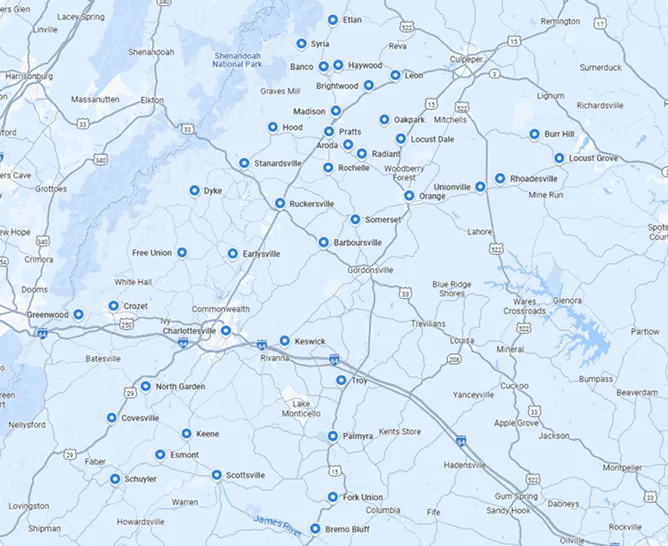
Service areas