


Choose an option to see quick actions and get help faster.
.svg)
Why Every Charlottesville Homeowner Should Know How to Keep AC Vents and Registers Clear
Knowing how to keep your AC vents and registers clear is one of the simplest things you can do to protect your home's comfort and your HVAC system's health. Here's a quick overview of what that involves:
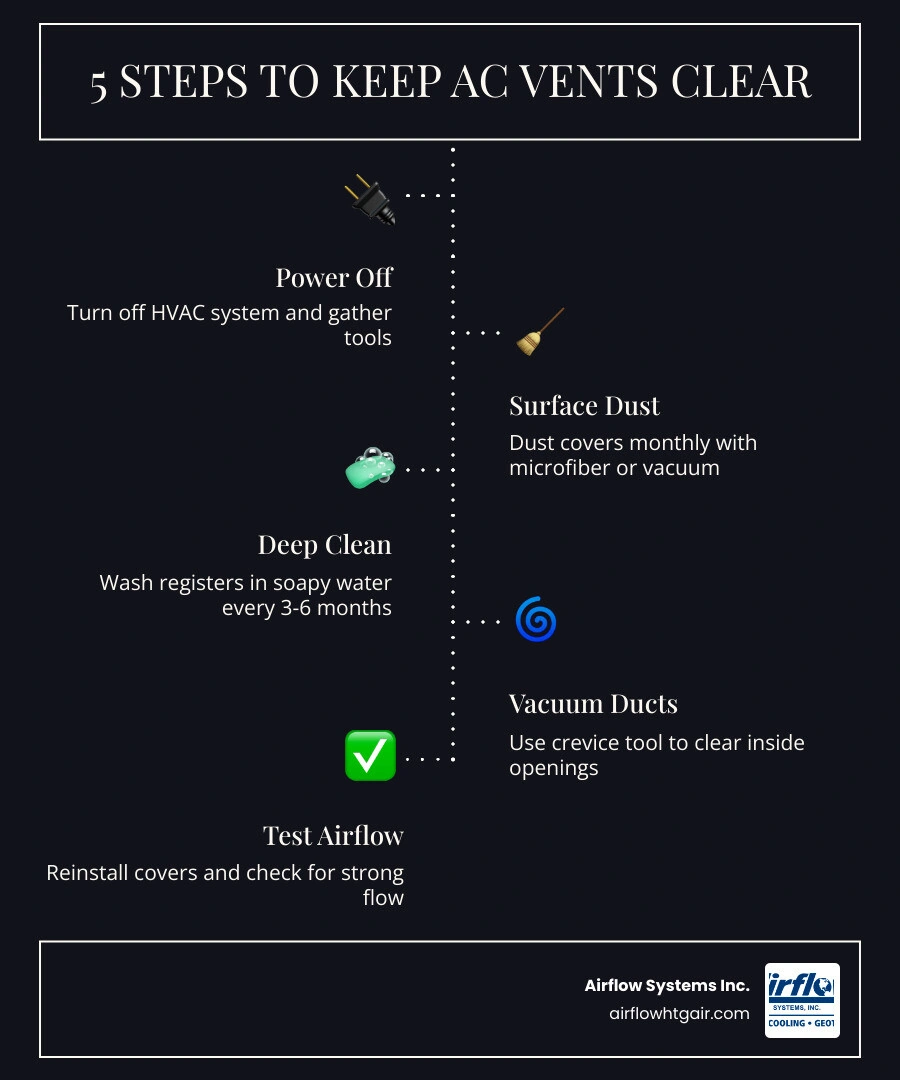
1. Turn off your HVAC system before you start any cleaning.
2. Dust vent covers monthly using a microfiber cloth or vacuum brush attachment.
3. Deep clean removable registers every 3-6 months in warm, soapy water.
4. Vacuum just inside duct openings when covers are removed.
5. Change your air filter every 30-90 days to reduce buildup at the source.
Most homeowners in Charlottesville, VA don't think much about their AC vents — until a room feels stuffy, energy bills creep up, or a musty smell greets them when the system kicks on. By that point, dust, pet dander, and even mold spores may already be circulating through the home.
This matters more than most people realize. Homes built after the 1970s are designed to be airtight, which is great for energy efficiency but means indoor air has fewer ways to escape. When vents are clogged, that trapped air carries whatever has built up in your ductwork — dust, allergens, and moisture — straight into your living space. With over a quarter of U.S. adults dealing with seasonal allergies, dirty vents can quietly make things worse.
The good news is that regular vent maintenance is straightforward, and a little consistency goes a long way.
How to keep your ac vents and registers clear vocabulary:
• AC Maintenance Checklist for Virginia Homeowners
• How to Check and Replace Your AC Air Filter
• How to Clean Your Outdoor AC Unit Safely
Why Knowing How to Keep Your AC Vents and Registers Clear Matters
When your air conditioner runs, it relies on a delicate balance of pressure and airflow. When vents are clear, the velocity of the air is higher, and the heat exchange process happens more efficiently. This means your home reaches your target temperature faster, and the system shuts off sooner, saving you money on your monthly utility bills.
Conversely, blocked or dirty vents act like a bottleneck. The restricted airflow causes pressure imbalances inside your ductwork, forcing your blower motor to work twice as hard to distribute air. Over time, this extra strain can lead to frozen evaporator coils, overheating motors, and expensive system repairs. Keeping your vents clean is one of the easiest ways to avoid the Signs Your AC Needs Repair Before Summer.
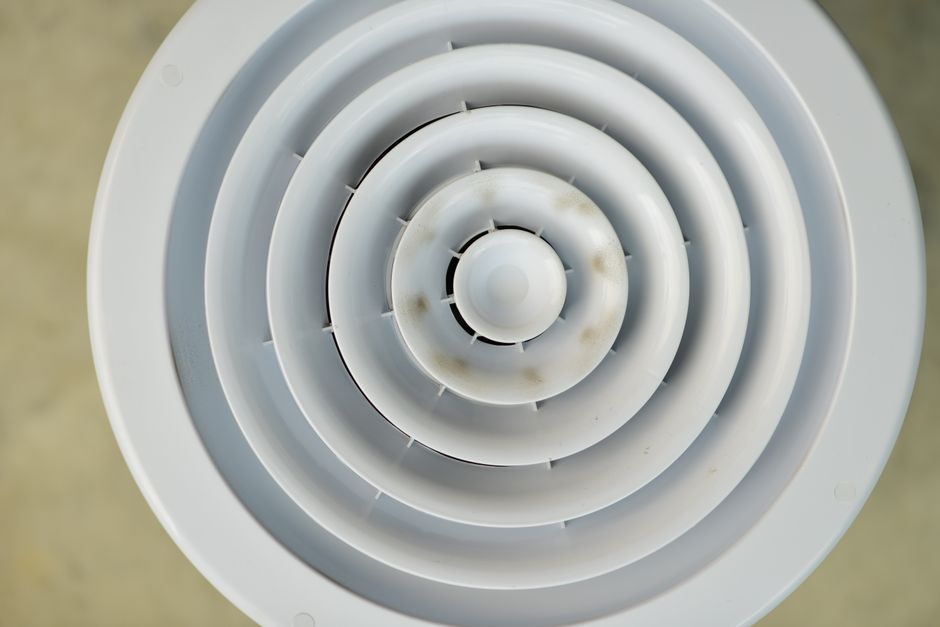
Beyond system health, dirty vents have a direct impact on your indoor air quality. If you look up at your ceiling and notice dark rings around your vent covers, you are looking at a phenomenon called "ghosting." This occurs when recirculated dust, soot, and pet dander cling to the vent slats and the surrounding ceiling material. These dark rings, along with musty odors and uneven cooling from room to room, are clear warning signs that your ventilation system is struggling.
For a complete breakdown of how airflow affects your home's system, check out our AC Tune-Up Guide for Central Virginia Homeowners.
5 Steps to Clean and Clear Your AC Vents
Cleaning your vents is a highly manageable DIY project that can be completed in an afternoon. By following these steps, you can safely clear away accumulated dust and ensure your system breathes easily.
Step 1: Turn Off Your HVAC System and Gather Tools
Before you begin, always turn off your heating and cooling system at the thermostat. Cleaning vents while the system is running can pull loose dust deeper into your ductwork or blow debris directly into your eyes.
Once the power is off, gather the following tools:
• A screwdriver (flathead or Phillips, depending on your vent covers)
• Microfiber cloths
• Mild dish soap and warm water
• A vacuum with a brush and crevice attachment
• Safety goggles and a dust mask (highly recommended for ceiling vents)
• A utility knife (to score paint if your vents are stuck to the wall)
Step 2: How to Keep Your AC Vents and Registers Clear of Surface Dust
For your routine monthly maintenance, you don't even have to remove the covers. Simply use your vacuum’s soft brush attachment to clear away loose dust, cobwebs, and pet hair from the slats of the registers. Wipe down the exterior surfaces with a dry microfiber cloth to catch any remaining particles. This quick, no-removal method keeps surface dust from being pulled into the system when the AC cycles on.
Step 3: Deep Clean Removable Vent Covers and Registers
Every 3 to 6 months, your vent covers deserve a deep clean. Use your screwdriver to remove the screws holding the registers in place.
Pro Tip: If a vent cover has been painted over and is stuck to the wall, do not pry it off directly, as this can tear your drywall or paint. Instead, use a utility knife to gently score the paint around the outer edge of the cover before pulling it free.
Once removed, submerge metal or plastic grates in a tub of warm, soapy water mixed with a cup of white vinegar. Let them soak for 10 to 15 minutes to break down sticky grease and grime, then scrub between the slats with an old toothbrush. Rinse them thoroughly and let them dry completely. Installing wet vent covers will cause new dust to adhere immediately and can lead to rust.
Step 4: Vacuum the Duct Openings
While the vent covers are drying, turn your attention to the exposed duct openings. Use your vacuum’s crevice tool to reach inside and clear away any dust, hair, or debris that has settled near the opening.
That your home's ductwork can be between 50 and 150 feet long, and a standard household vacuum can only reach the first few feet. Do not force a standard vacuum hose deep into the ductwork, as this can accidentally puncture flexible ducts or dislodge connections.
Step 5: Reinstall and Check Airflow
Once your vent covers are 100% dry, align them over the duct openings and screw them back into place. Be careful not to overtighten the screws, which can warp plastic covers or strip the drywall anchors. Turn your HVAC system back on at the thermostat and walk through your home to verify that you feel strong, consistent airflow coming from each register.
Proactive Habits for Long-Term Vent Maintenance
Keeping your vents clean is much easier when you stop dust from reaching them in the first place. Incorporating a few simple habits into your household routine can drastically reduce the amount of airborne debris that settles in your ductwork. To keep the rest of your system running smoothly, you should also learn How to Clean Your AC Condenser Unit Safely.
How to Keep Your AC Vents and Registers Clear with Regular Filter Changes
Your air filter is your HVAC system's primary line of defense. When your filter is clean, it traps dust, pollen, and pet dander before they ever have a chance to enter your ducts and accumulate on your registers.
To understand the consequences of neglecting this simple task, read about How Dirty Air Filters Destroy Your AC Performance. We recommend checking your filter monthly and replacing it every 30 to 90 days. If you aren't sure how to do this, our guide on How to Check and Replace Your AC Air Filter will walk you through the process step-by-step.
When choosing a filter, opt for one with a MERV (Minimum Efficiency Reporting Value) rating between 8 and 13. This range provides excellent filtration without restricting your system's airflow.
Smart Furniture Placement and Pet Grooming
Another common cause of restricted airflow is poor furniture placement. Ensure that all supply and return registers have at least 6 to 12 inches of clear space around them. Placing heavy sofas, thick rugs, or long drapes directly over or in front of your vents forces your AC to work harder and traps dust in the immediate area.
Additionally, if you have furry family members, pet dander and shedding hair will quickly clog your floor registers. Regularly grooming your pets and vacuuming your carpets weekly will keep these airborne particles out of your ventilation system.
Managing Humidity and Preventing Mold in Charlottesville, VA
The Central Virginia climate is known for its hot, humid summers. When high outdoor humidity levels find their way indoors, moisture can condense on the cool metal surfaces of your AC vents. This combination of moisture and organic dust creates an ideal breeding ground for mold spores.
To prevent mold growth on your registers, you can spray them lightly with a natural antifungal solution of one part white vinegar to three parts water during your routine cleanings. However, if you notice persistent musty odors or see mold growing deep inside your ductwork, DIY cleaning is no longer safe or effective.
In these cases, you need a professional inspection to identify and resolve the root cause of the moisture. For expert assistance in our area, schedule professional AC Maintenance Charlottesville VA.
Frequently Asked Questions About AC Vent Maintenance
How often should I clean my AC vents and registers?
We recommend giving your vent covers a quick dusting or vacuuming once a month. A deeper clean—where you remove the covers and wash them—should be done every 3 to 6 months. If you have pets, suffer from severe seasonal allergies, or have recently completed a home renovation, you should perform these deep cleans more frequently.
Can I use a regular household vacuum to clean my vents?
Yes! A standard household vacuum with a soft brush attachment is perfect for monthly surface maintenance. However, for deep cleanings or to clear out heavier debris just inside the duct openings, a shop vacuum with a longer, heavy-duty hose is often much more effective.
What should I do if I see mold inside my registers?
If you see mold on the removable register cover, you can wash and sanitize it yourself. However, if you look inside the duct and spot mold growing on the duct walls, do not attempt to clean it. Scrubbing mold inside your ducts can release millions of spores into your home's air. Instead, contact us for professional AC Service Charlottesville VA to address the issue safely.
Conclusion
Keeping your AC vents and registers clear is a vital part of maintaining a healthy, energy-efficient home. While monthly dusting and seasonal deep cleaning are excellent DIY projects, they only address the surface. Over time, dust and debris can accumulate deep inside your ductwork where household tools simply cannot reach.
At Airflow Systems Inc., we have been serving Charlottesville, VA and the surrounding Central Virginia communities since 1988. As a family-owned business, we are committed to helping our neighbors breathe easier and stay comfortable year-round.
To ensure every part of your system is operating at peak performance, find out What Does a Professional AC Tune-Up Include? and schedule your seasonal AC Tune-Up Charlottesville VA. For year-round peace of mind and priority service, consider joining our Maintenance Plan.
Ready to optimize your home's comfort and efficiency? Schedule professional AC service today with the certified experts at Airflow Systems Inc.!
Book Expert Service Or Contact Us
Our Service Process
A Hassle-Free Service Experience
01
Consultation & Diagnosis
We start by listening to your needs and performing a thorough diagnosis of your system to recommend the best solution.
02
Transparent Quoting
We provide a clear, upfront estimate with no hidden fees, so you know exactly what to expect.
03
Expert Service & Follow-Up
Our factory-trained technicians complete the work to the highest standards, and we follow up to ensure your complete satisfaction.
testimonials
What Our Customers Are Saying
Our customers consistently praise our exceptional service and attention to detail, making us a trusted choice for all your HVAC needs.
where we operate
Service areas