

Choose an option to see quick actions and get help faster.


Is That Burning Smell Normal? Navigating Your First Fall Heating Cycle
Did you just switch your thermostat to "heat" only to be greeted by an alarming burning odor spreading through your house? You are certainly not alone. Finding reliable home maintenance tips and troubleshooting strategies for your HVAC system is a top priority during this seasonal transition. As we enter the season of crisp October mornings, our team at Airflow Systems, Inc. fields countless calls from local homeowners facing this exact scenario. The sudden onset of strange smells and rapid on-and-off cycling can trigger immediate panic. You might wonder if you should let the system run its course or shut it down immediately to prevent a fire.
Understanding the difference between a harmless seasonal burn-off and a failing internal component is critical for your safety and peace of mind. The transition from cooling to heating places unique stress on your equipment, revealing underlying issues that may have developed over the summer. If you are considering upgrading your home's comfort entirely, exploring a Mini Split can eliminate many of these seasonal transition headaches before they even start. Modern heating solutions offer smooth, odorless transitions, but if you are operating a traditional system, you need to know exactly what is happening inside your ductwork.
The immediate alarm homeowners feel is completely justified. Your home is supposed to be your safe haven, and the smell of something burning naturally triggers a fight-or-flight response. However, shutting down the system too early might leave your family freezing, while ignoring a genuine electrical issue could lead to severe damage. The key is observation. By learning how to decode the specific types of odors and the rhythm of your system's cycles, you can make an informed, confident decision about when to call for professional help.
The Science Behind the Seasonal 'Burning Dust' Odor
To understand why your heater smells like a campfire on the first chilly day, you have to look at what happens inside the unit during its months of inactivity. Throughout the long cooling season, your furnace or air handler sits idle. While the blower motor continues to circulate conditioned air, the actual heating components—specifically the heat exchanger or electric heating elements—remain cold and dormant. Over time, airborne particles bypass your air filter and settle directly onto these cold metal surfaces.
When you finally engage the heating mode, those dormant components heat up rapidly. The accumulated layer of household dust, pet dander, and microscopic debris is instantly incinerated. This combustion process creates the distinct, dry burning smell that flows through your supply vents and fills your living spaces. In most homes, this normal burn-off period lasts anywhere from one to two hours. During this brief window, we typically recommend opening a few windows to promote proper ventilation without turning off the system, allowing it to complete the burn-off process.
How Summer Humidity Contributes to Fall Dust Buildup
The severity of this initial smell is heavily influenced by regional climate factors. Throughout the Charlottesville / Blue Ridge foothills area, our technicians see firsthand how our hot, humid summers play a massive role in how much dust your system collects. Moisture from high indoor humidity acts like a mild adhesive inside your HVAC cabinet. Instead of loose dust simply blowing past the heat exchanger, the moisture causes particulate matter to bind tightly to the metal grooves and burner assemblies.
When the transition from heavy cooling to heating occurs, this baked-on layer of sticky dust produces a much more pronounced odor than you would experience in a dry, arid climate. While consistent, high-quality filter changes throughout the summer will certainly mitigate the amount of debris entering the system, they cannot entirely prevent this microscopic buildup. If you are tired of dealing with this annual ritual, upgrading to Mini Split Systems is an excellent alternative, as their advanced filtration and lack of traditional combustion chambers drastically reduce seasonal odors. Plus, generic federal tax credits may apply to qualifying heat pump installations, making an upgrade well worth exploring with a tax professional.
Normal Burn-Off vs. Dangerous Warning Signs
Because the stakes are high when dealing with combustion and electricity, every homeowner needs a clear framework for diagnosing system odors. While a brief smell of burning dust is standard for crisp October mornings, other odors indicate severe mechanical or electrical failures that require immediate intervention. Never ignore a smell that makes you feel dizzy, nauseous, or instinctively unsafe.
The most critical distinction is between organic dust burning and synthetic material melting. If you detect the sharp, acrid smell of melting plastic, or a metallic, fishy odor that resembles an impending lightning storm (ozone), your system is likely experiencing an electrical short or a failing motor. These odors will not fade after an hour. Instead, they will grow stronger and more pungent the longer the system runs. If you experience these dangerous warning signs, turn off the thermostat immediately and shut off the breaker to the HVAC unit.
• Type of Smell — Normal Seasonal Burn-Off: Dry, dusty, similar to a hot hair dryer or toasted bread. — Dangerous Warning Signs: Melting plastic, burning rubber, fishy electrical smells, or metallic ozone.
• Expected Duration — Normal Seasonal Burn-Off: Fades completely within 1 to 2 hours of continuous operation. — Dangerous Warning Signs: Persists, worsens over time, or returns every time the system cycles on.
• Accompanying Sounds — Normal Seasonal Burn-Off: Normal, steady blower motor hum and standard airflow sounds. — Dangerous Warning Signs: Loud banging, metal-on-metal screeching, or rapid clicking at the control board.
• Recommended Action — Normal Seasonal Burn-Off: Open windows for ventilation and let the cycle finish. — Dangerous Warning Signs: Shut off power at the breaker immediately and call a licensed professional.
Furthermore, any unusual smell accompanied by aggressive auditory warning signs—such as grinding, squealing, or heavy banging—points to a mechanical failure. A screeching sound combined with a burning rubber smell usually indicates a slipping blower belt or a seizing motor bearing. Under no circumstances should you attempt a DIY electrical or mechanical investigation. Opening the cabinet exposes you to high-voltage capacitors and potentially lethal carbon monoxide risks.

Erratic Cycling: When Your Heater Can't Maintain the Temperature
Beyond unusual smells, the second most common issue homeowners face during the fall startup is erratic operation, commonly known as "short cycling." Short cycling occurs when your heating system turns on, runs for a very brief period (often less than three minutes), and then abruptly shuts down before the house has reached the temperature set on the thermostat. This rapid on-and-off rhythm creates uncomfortable temperature swings and prevents your home from ever feeling truly warm.
Based on our years of diagnosing heating failures across Charlottesville, the sequence of events leading to short cycling usually follows a specific pattern:
1. The Call for Heat: The thermostat detects a drop in room temperature and signals the furnace to ignite.
2. Ignition and Verification: The burners light, and a component called the flame sensor verifies that a fire is actually present.
3. The Failure Point: If the flame sensor is coated in soot or summer dust, it cannot detect the flame. As a safety precaution to prevent unburned gas from filling your home, the control board immediately shuts the gas valve off.
4. The Rapid Restart: The thermostat still registers a cold room, so it sends another signal to start the process over, creating an endless loop of starting and stopping.
This erratic behavior places an immense strain on your blower motor, heat exchanger, and starting capacitors. The heavy workload your system endured during the previous Air Conditioning season often sets the stage for these exact heating failures. Components that were slowly degrading in August finally fail under the new demands of October.
The Role of Airflow Restrictions
While dirty flame sensors are a primary culprit for short cycling in gas furnaces, severe airflow restrictions affect all types of heating systems, including heat pumps and electric furnaces. When your air filter is clogged with months of pet hair and dust from the Charlottesville / Blue Ridge foothills region, the blower motor cannot pull enough cold air across the heat exchanger to cool it down.
As a result, the internal temperature of the furnace skyrockets. A vital safety mechanism known as the high-limit switch detects this dangerous overheating and forcefully shuts the system down to prevent a fire or a cracked heat exchanger. Once the unit cools off, it tries to run again, only to overheat and shut down once more. Blocked return vents, closed supply registers in unused rooms, and severely neglected filters all trick the system's internal sensors into triggering these emergency shutdowns.
Evaluating Your Equipment: Repairing vs. Upgrading
When you are faced with persistent smells that refuse to dissipate or a system that constantly short cycles despite a fresh air filter, you reach a critical decision point. You must determine whether repeated erratic cycling indicates a minor maintenance issue or a system rapidly approaching the end of its functional lifespan. Throwing money at constant repairs for an aging, inefficient unit is often less cost-effective than investing in modern technology.
Traditional ducted systems and outdated window units have served homes well for decades, but they come with inherent drawbacks. They are prone to dramatic seasonal startup smells, ductwork energy losses, and loud operational noise. In contrast, modern ductless alternatives provide a highly efficient, streamlined approach to whole-home comfort. If you are constantly battling hot and cold spots during crisp October mornings, evaluating your upgrade options is a smart financial move.
• Seasonal Startup Odors — Traditional Ducted Systems: High likelihood due to dust settling in extensive ductwork and on large heat exchangers. — Modern Ductless Heat Pumps: Minimal to none; no ductwork for dust to hide in, and no high-heat combustion chambers.
• Cycling Behavior — Traditional Ducted Systems: Prone to short cycling if filters clog or ductwork is improperly sized. — Modern Ductless Heat Pumps: Variable-speed compressors run continuously at low power, eliminating short cycling entirely.
• Efficiency and Control — Traditional Ducted Systems: Heats the entire house at once, leading to wasted energy in unoccupied rooms. — Modern Ductless Heat Pumps: Zoned temperature control allows you to heat only the rooms you are actively using.
• Installation Disruption — Traditional Ducted Systems: Requires extensive labor to repair, seal, or replace aging ductwork. — Modern Ductless Heat Pumps: Quick, minimally invasive installation requiring only a small hole in the wall.
Why Ductless Solutions Are Gaining Popularity
Advanced heat pumps provide both cooling and heating without the dramatic seasonal startup smells of traditional furnaces. By eliminating the ductwork entirely, you remove the primary hiding spot where household dust settles during the off-season. This results in significantly cleaner air circulating through your living spaces.
Furthermore, ductless systems utilize variable-speed inverter technology. Instead of blasting at 100% capacity and then shutting off completely, they smoothly adjust their output to match the exact needs of the room. This consistent, variable-speed temperature control prevents short cycling, reduces wear and tear on components, and operates at a whisper-quiet noise level. They also offer superior dehumidification during the summer, which directly leads to cleaner, more reliable winter operation. If you are curious about how this technology could fit into your floor plan, researching the best rooms for a mini split system can help you visualize the benefits.
The Dangers of DIY: Why Professional Inspections Matter
With countless online tutorials available, it can be tempting to grab a toolkit and attempt to fix erratic cycling or strange smells yourself. However, modern HVAC systems are highly complex pieces of machinery that combine high-voltage electricity, pressurized refrigerants, and, in many cases, combustible gases. Inspecting flame sensors, heat exchangers, and control boards without proper training is incredibly dangerous.
High Voltage Risks: Even when you turn off the power at the thermostat, the capacitors inside your HVAC unit store a massive electrical charge. Touching the wrong terminal can result in a severe, potentially life-threatening shock.
Combustion Hazards: Gas furnaces produce carbon monoxide as a byproduct of heating. If you accidentally misalign a burner or damage the heat exchanger while trying to clean it, you risk leaking this odorless, deadly gas directly into your home's air supply.
Warranty Voiding: Most manufacturers explicitly state that any repairs or modifications performed by unlicensed individuals will instantly void the equipment's warranty, leaving you financially responsible for all future breakdowns.
This is why securing professional HVAC services is non-negotiable for internal mechanical issues. A comprehensive professional tune-up does much more than just wipe down a sensor. A licensed technician calibrates the system for optimal winter efficiency, tests all safety limit switches, checks gas pressure, and measures electrical draws on the motors. As an independent, family-owned HVAC company, our team at Airflow Systems, Inc. is committed to providing honest, localized recommendations and education. We focus on the genuine health of your system and the safety of your family across the Charlottesville / Blue Ridge foothills, rather than aggressively pushing the most expensive system or unnecessary repairs.
Secure Your Winter Comfort with a Local Expert
Navigating the transition into the heating season doesn't have to be a stressful experience filled with guesswork. While brief burning dust smells are a normal part of waking up your system on crisp October mornings, persistent odors and erratic short cycling require an expert eye. Ignoring these warning signs only leads to higher energy bills and the risk of a total system failure on the coldest night of the year.
Taking proactive steps now guarantees that your home remains a warm, safe sanctuary all winter long. We encourage you to schedule a pre-winter inspection to verify your system's safety mechanisms and efficiency. Whether you need a simple calibration, a thorough cleaning, or want to weigh repair versus replacement options with a trusted team, professional guidance provides the ultimate reassurance. Secure your comfort today and enjoy the changing seasons with complete peace of mind.
Frequently Asked Questions
Why does my heater smell like burning dust when I turn it on?
The smell of burning dust is caused by the incineration of debris that has settled on your heat exchanger during the summer. Over months of inactivity, household dust, pet dander, and lint accumulate on the internal heating components. When the system is activated for the first time, these cold metal parts heat up rapidly, burning off the layer of dust. This is a completely normal process and does not indicate a system failure.
How long should a furnace smell when first turned on in the fall?
A normal seasonal burn-off smell should dissipate within one to two hours of continuous operation. As the system runs, the accumulated dust is fully incinerated, and the fresh air circulating through your home will clear out the odor. If the burning smell persists for several hours, grows stronger, or returns every time the system cycles on, you should turn off the unit and contact a professional.
Why is my heating system turning on and off quickly?
Rapid on-and-off operation is known as short cycling, and it is usually caused by a dirty flame sensor or a severely clogged air filter. A clogged filter restricts airflow, causing the system to overheat and trigger a safety shutdown, while a dirty flame sensor fails to detect the burner flame, prompting the gas valve to close. Both issues prevent your home from reaching the desired temperature and place heavy strain on the equipment.
When should I turn on my heat in Virginia?
Most homeowners in Virginia turn on their heat in mid-to-late October when morning temperatures consistently drop into the 40s and 50s. It is highly recommended to run a brief test cycle on a mild day in late September or early October. Testing the system before the first major cold snap allows you to identify any burning smells or cycling issues while technicians are still readily available.
Is it safe to run my heater if it smells like melting plastic?
No, it is never safe to operate your heater if you smell melting plastic, burning rubber, or an ozone-like electrical odor. These smells strongly indicate an electrical short, a failing motor, or melting wire casings inside the cabinet. You should immediately turn off the thermostat, shut off the power at the breaker panel, and request an emergency inspection from a licensed technician.
Can I clean my own furnace flame sensor to stop short cycling?
While cleaning a flame sensor might seem like a simple fix, it is not recommended for homeowners to perform this task themselves. Accessing the sensor requires opening the combustion chamber, which exposes you to high-voltage components and potential carbon monoxide risks if reassembled incorrectly. A licensed professional has the proper tools to clean the sensor safely and verify that the system is operating within precise safety parameters.
Book Expert Service Or Contact Us
Our Service Process
A Hassle-Free Service Experience
01
Consultation & Diagnosis
We start by listening to your needs and performing a thorough diagnosis of your system to recommend the best solution.
02
Transparent Quoting
We provide a clear, upfront estimate with no hidden fees, so you know exactly what to expect.
03
Expert Service & Follow-Up
Our factory-trained technicians complete the work to the highest standards, and we follow up to ensure your complete satisfaction.
testimonials
What Our Customers Are Saying
Our customers consistently praise our exceptional service and attention to detail, making us a trusted choice for all your HVAC needs.
where we operate
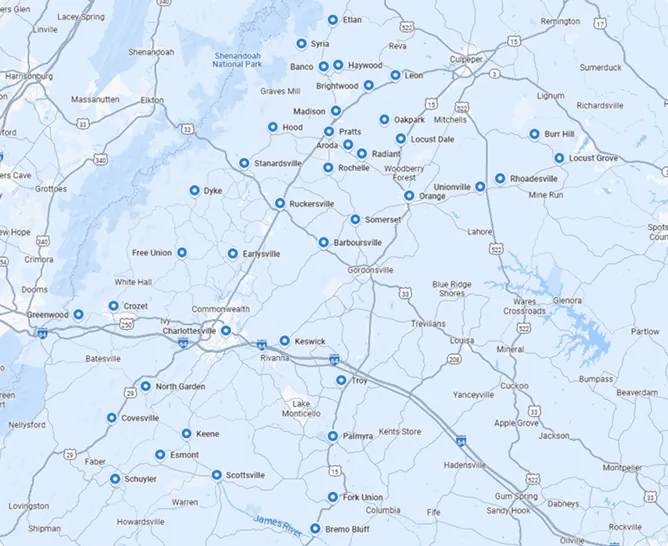
Service areas