

Choose an option to see quick actions and get help faster.


Navigating the Transition to Fall Heating Without the Panic
Mid-fall has arrived, and as October temperatures begin to dip across the region, our team at Airflow Systems, Inc. knows that executing a proper seasonal home maintenance checklist becomes a top priority for local homeowners. The first time you switch your thermostat from cooling to heating, you expect a rush of warm, comfortable air. Instead, you might be greeted by an alarming burning odor, strange clicking noises, or a system that turns on and off before the house even feels warm. These unexpected symptoms often cause immediate panic, leaving you wondering if your home is in danger or if you are facing a massive repair bill right before winter begins.
To help you prepare your home for the colder months, learn more about our mini split systems or schedule your ductless mini split installation today.
The reality is that the initial mid-fall heating startup is a stressful event for both the homeowner and the HVAC equipment. After sitting completely dormant for months, the mechanical components must suddenly spring into action. Understanding what happens inside your furnace or air handler during this critical transition is the key to maintaining a safe home environment. This checklist is designed by our local experts to help you differentiate between the normal operational quirks of a seasonal transition and the dangerous mechanical failures that require immediate attention. By objectively evaluating these symptoms, you can make informed decisions about your heating system without unnecessary anxiety. Furthermore, while upgrading to modern, highly efficient systems can eventually alleviate these seasonal transition issues entirely, knowing how to manage your current equipment is the crucial first step.
Checklist Item 1: Preparing the Heat Exchanger and Understanding Dust Burn-Off
The Problem: You turn on your heating system for the first time in mid-fall, and within minutes, a distinct burning smell fills your living space. In our years of taking emergency calls across Charlottesville VA, we've found this odor often resembles singed hair or burning dirt, prompting immediate concern about a potential fire hazard inside your ductwork.
The Cause: During the long summer months, while you rely on various air conditioning solutions to keep your Charlottesville VA home comfortable, your heating components sit idle. Even with high-quality air filters in place, microscopic airborne particles—including pet dander, dead skin cells, household dust, and cooking aerosols—inevitably bypass the filtration media. These particles settle directly onto the cold surfaces of your furnace's heat exchanger or the electric heating elements inside your air handler. When the thermostat finally calls for heat in October, these components rapidly heat up to temperatures exceeding several hundred degrees. The accumulated layer of summer dust instantly incinerates, sending the resulting odor straight through your ventilation system and into your living rooms.
The Solution: This initial burning dust smell is an entirely normal, expected part of the first seasonal heating cycle. The critical factor to monitor is the duration of the odor. In a properly functioning system, this harmless burn-off process should fully dissipate within a 30 to 60-minute window. To manage this brief period, open a few windows to keep the home well-ventilated and allow the indoor air to cycle out. If the smell clears up within an hour and does not return during subsequent heating cycles, your system has successfully cleared its heat exchanger and is operating normally—a pattern our technicians see almost daily during October startups.
The Role of Summer Dust Accumulation
To fully understand why this happens, it helps to look at the anatomy of your HVAC system. In a central forced-air setup, the same blower motor pushes air for both the cooling and heating cycles. However, the air travels over different internal components depending on the season. While the evaporator coil handles the cooling load, the dormant heat exchanger acts as a passive shelf for airborne particulate matter. Because the cooling cycle actively circulates air through the cabinet for months on end, the gradual buildup of dust on the heating elements is simply unavoidable. Recognizing this connection between summer cooling and the inevitable fall burn-off is the first step in avoiding unnecessary panic during your seasonal startup.

Checklist Item 2: Identifying Dangerous Electrical Odors
While a temporary burning dust smell is harmless, other odors indicate a severe mechanical or electrical failure that requires immediate intervention. Mid-fall and October startups often reveal electrical components that have degraded over the summer or sustained damage from power surges during summer thunderstorms. Knowing how to identify these dangerous odors is a critical component of any home maintenance checklist.
Unlike the organic, singed-hair smell of dust burn-off, dangerous electrical odors are sharp, acrid, and highly distinct. You might notice a smell resembling melting plastic, burning rubber, or a sharp metallic "ozone" scent. These odors occur when electrical insulation is melting off of wires, when a blower motor is overheating due to seized bearings, or when a capacitor is actively failing. The most important distinction is the time factor: electrical smells do not dissipate after 60 minutes. In fact, as the compromised component continues to draw electrical current, the odor will typically grow stronger and more pungent the longer the system runs.
At Airflow Systems, Inc., our technicians want homeowners to be safe above all else. Providing objective advice on when to shut a system down is always preferable to pushing unnecessary service contracts on a unit that is actively failing. If you detect an acrid, melting plastic, or electrical odor, there is a strict rule you must follow: never attempt DIY electrical diagnostics. Opening the cabinet to inspect live high-voltage wiring or failing motors presents a lethal shock hazard and a significant risk of fire. Instead, take the following immediate actions:
• Turn the system off at the thermostat: Switch the setting from "Heat" to "Off" immediately to stop the low-voltage call for heating.
• Cut the power at the breaker: Locate your home's main electrical panel and flip the dedicated breaker for the furnace or air handler to the "Off" position. This stops high-voltage current from reaching the melting components.
• Call a licensed professional: Leave the system off until a qualified technician can perform a comprehensive safety inspection and replace the compromised electrical parts.
Checklist Item 3: Monitoring System Cycles During Mild Weather
Another common source of anxiety during the October heating startup is a phenomenon known as short-cycling. Short-cycling occurs when your heating system turns on, runs for only a few minutes, and then abruptly shuts off before the living space has reached the desired temperature on the thermostat. The system then waits a few moments and repeats the process, constantly turning on and off in rapid succession without ever reaching a steady, efficient operational state.
Before assuming your system is broken, our team frequently reminds customers to consider the regional climate context. As locals, we know Charlottesville VA is famous for its unpredictable fall weather, where temperatures can swing wildly within a single 24-hour period. It is not uncommon to experience a crisp 40-degree morning, followed by a surprisingly warm 68-degree afternoon. These fluctuating outdoor temperatures create a very low heating load for your home during the daytime. If your heating system is slightly oversized—a common issue in older homes—it produces a massive blast of heat that satisfies the thermostat almost instantly during these mild afternoons. The system shuts down quickly, only to be triggered again when a slight draft hits the thermostat.
This temporary short-cycling during warm fall afternoons might naturally resolve itself when temperatures drop significantly at night and the system actually has a substantial heating load to overcome. However, even if it is weather-related, frequent short-cycling should not be ignored indefinitely. The constant starting and stopping places immense mechanical stress on the blower motor and the ignition system, significantly accelerating wear and tear. Furthermore, the startup phase of a heating cycle consumes the most electricity and gas; a system that constantly short-cycles will cause a noticeable spike in your energy consumption.
Checklist Item 4: Diagnosing Mechanical Short-Cycling
If your system continues to short-cycle during cold mid-fall nights, or if the rapid cycling is accompanied by system lockouts (where the furnace refuses to turn on at all for several hours), you are likely dealing with a genuine mechanical failure rather than a weather-related quirk. Diagnosing mechanical short-cycling requires understanding the safety mechanisms built into your equipment, which is exactly what our crews are trained to do.
1. Evaluate the Air Filter: The most common, and easily preventable, cause of mechanical short-cycling is a severely clogged air filter. When the filter is packed with dust, it restricts the volume of air flowing over the heat exchanger. Check your filter and replace it if it is dirty; this is the only DIY diagnostic step recommended for mechanical short-cycling.
2. Identify Flame Sensor Issues: In gas furnaces, a dirty or failing flame sensor will cause short-cycling. The system ignites the burners, but the sensor fails to detect the flame due to carbon buildup. As a vital safety precaution, the control board immediately shuts off the gas valve to prevent unburned gas from filling your home, resulting in a cycle that lasts only a few seconds.
3. Recognize High-Limit Switch Activations: If the internal temperature of the furnace cabinet rises too high, a safety device called the high-limit switch will trip, shutting down the burners while leaving the blower fan running to cool the system down. Once cooled, the system restarts, only to overheat and trip the switch again.
Ignoring mechanical short-cycling carries severe long-term risks, including the premature failure of the blower motor or the catastrophic cracking of the heat exchanger—a situation that forces a complete system replacement. It is critical to reiterate that while you can change an air filter, opening the combustion chamber to clean a flame sensor or replacing internal safety limit switches requires the expertise and specialized tools of a licensed HVAC technician.
The Airflow Connection
The relationship between airflow and the high-limit switch is the most critical concept to grasp when dealing with short-cycling. The heat exchanger relies on a constant, powerful stream of cold return air to absorb its heat and carry it into your ductwork. If poor airflow traps that heat inside the physical unit—due to a clogged filter, blocked return vents, or a failing blower motor—the metal of the heat exchanger will quickly exceed safe operational temperatures. The high-limit switch is your system's last line of defense in preventing dangerous overheating, which is why a system that repeatedly trips this switch must be evaluated by a professional immediately.
Evaluating Your System's Readiness for Winter
As you work through your seasonal home maintenance checklist, the results of your mid-fall startup will tell you a great deal about your system's overall health. If your equipment successfully burns off the summer dust, operates without electrical odors, and cycles smoothly during the colder Charlottesville VA nights, your system is likely ready to handle the upcoming winter. However, if you are experiencing persistent short-cycling that cannot be solved by a new filter, or if you repeatedly detect electrical odors that require professional intervention, these are strong indicators that your current system may be nearing the end of its useful life.
When aging equipment begins failing the basic startup checklist, we often advise homeowners to explore modern alternatives rather than pouring resources into constant repairs. Today's highly efficient systems are engineered to handle the fluctuating fall temperatures that cause older units to struggle. For example, our team frequently installs modern heat pump options that provide a seamless transition between the unpredictable cooling and heating demands of October. As an added benefit, federal tax credits and utility incentive programs may apply to qualifying heat pump installations, making this an ideal time to upgrade (be sure to verify current programs with your utility or a tax professional).
One of the most significant advancements in modern heating technology is the implementation of variable-speed compressors and variable-speed blower motors. Unlike older, single-stage systems that only operate at 100% capacity (which leads to the mild-weather short-cycling discussed earlier), variable-speed technology allows the system to scale its output down to perfectly match the current heating load. On a mild 60-degree afternoon, the system can run continuously at a very low, quiet speed, eliminating short-cycling entirely while maintaining exact temperature control. Additionally, modern systems offer the benefit of targeted heating, allowing you to direct warmth precisely where it is needed without wasting energy on unoccupied spaces.
Modern Solutions for Fall Comfort
For homeowners looking to bypass the struggles of aging ductwork and inefficient central systems entirely, ductless technology offers unparalleled adaptability. These systems provide precise, zoned temperature control, making them incredibly effective during the unpredictable transition months of fall. If you are considering upgrading specific areas of your home that are notoriously difficult to heat, researching the best rooms for a mini split can help you design a customized comfort strategy that perfectly addresses your home's unique layout.
Securing Your Winter Comfort and Safety
Navigating the first mid-fall heating startup doesn't have to be an exercise in anxiety. By understanding the mechanics behind your equipment, you can objectively evaluate the symptoms your system presents in October. Remember the baseline rules: a burning dust smell that dissipates within 30 to 60 minutes is a completely normal part of the heat exchanger clearing itself of summer debris. Conversely, persistent acrid electrical odors, rapid mechanical short-cycling, and unexpected system lockouts are dangerous warning signs that should never be ignored or subjected to DIY repairs.
Understanding these symptoms empowers you to make smart, safe decisions for your household. If your system is displaying warning signs that compromise your safety or comfort, the most responsible action is to schedule a professional inspection before the freezing winter weather arrives. Whether you need a comprehensive tune-up to correct a short-cycling issue or you are ready to explore a highly efficient ductless mini split installation, taking proactive steps today ensures that your home remains a warm, secure haven throughout the coldest months of the year.
Frequently Asked Questions
Why does my furnace smell like burning dust when I turn it on?
This odor is caused by the incineration of airborne particulate matter that settled on the heat exchanger during the summer months. When the heating elements activate for the first time in the fall, they rapidly heat up and burn off this accumulated dust layer. The resulting smell is completely normal and, as our technicians often reassure customers, should naturally dissipate as the system continues to run. Keeping your home well-ventilated during this initial cycle will help clear the air faster.
What causes a furnace to short cycle in the fall?
A furnace short-cycles in the fall either because of mild, fluctuating outdoor temperatures causing a low heating load, or due to a mechanical restriction. If the system is oversized, it will heat the home too quickly on mild days and shut down rapidly. However, if the short-cycling is caused by a clogged air filter, a dirty flame sensor, or an overheating heat exchanger tripping the high-limit switch, it requires immediate attention to prevent system damage.
When should I call a professional for furnace smells?
You should call a professional immediately if the odor coming from your vents smells like melting plastic, burning rubber, or sharp metallic ozone. Unlike harmless dust burn-off, these electrical smells indicate melting wire insulation or failing motor components and will not go away on their own. If you detect these acrid odors, shut the system off at the thermostat and the breaker, and contact a licensed technician right away.
How do I prepare my HVAC system for winter?
Preparing your HVAC system starts with a thorough seasonal home maintenance checklist, beginning with replacing your air filter to ensure maximum airflow. Next, monitor your system during its initial startup phase to ensure it clears any dust odors within an hour and cycles normally without abruptly shutting down. Finally, scheduling a professional inspection allows a technician to verify the integrity of your heat exchanger, calibrate your thermostat, and test all internal safety switches before heavy winter usage.
Is it normal for a heater to turn on and off frequently during mild weather?
Yes, it can be normal for a single-stage heating system to cycle more frequently during mild weather because the home requires very little heat to reach the target temperature. The system produces a rapid blast of heat, satisfies the thermostat quickly, and shuts down. However, if the cycles last less than three minutes, or if the frequent cycling continues when the outdoor temperatures drop significantly, it may indicate an underlying mechanical issue or a severely restricted air filter.
How long should the burning smell last during the first heating startup?
The harmless burning dust smell should fully dissipate within 30 to 60 minutes of the first continuous heating cycle. The exact time depends on how much dust accumulated over the summer and the size of your home's ventilation system. If the smell persists for several hours, grows noticeably stronger, or returns every time the system turns on over several days, it is no longer normal burn-off and requires a professional evaluation.
Book Expert Service Or Contact Us
Our Service Process
A Hassle-Free Service Experience
01
Consultation & Diagnosis
We start by listening to your needs and performing a thorough diagnosis of your system to recommend the best solution.
02
Transparent Quoting
We provide a clear, upfront estimate with no hidden fees, so you know exactly what to expect.
03
Expert Service & Follow-Up
Our factory-trained technicians complete the work to the highest standards, and we follow up to ensure your complete satisfaction.
testimonials
What Our Customers Are Saying
Our customers consistently praise our exceptional service and attention to detail, making us a trusted choice for all your HVAC needs.
where we operate
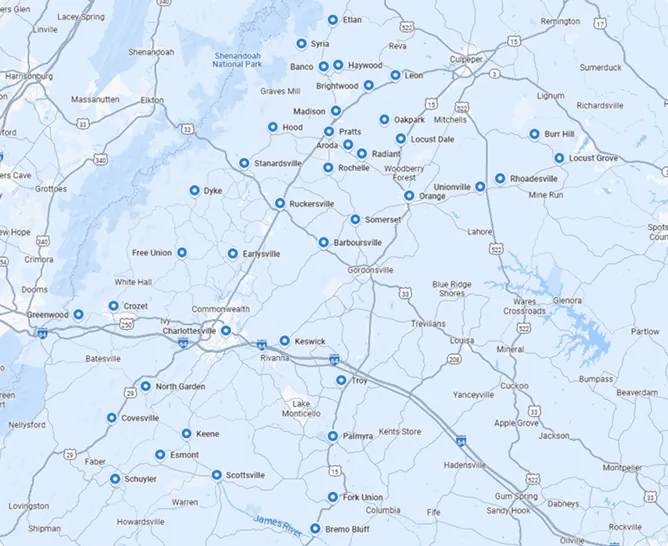
Service areas