

Choose an option to see quick actions and get help faster.

Preparing Your Home for the First Cold Nights
You notice the evening air growing crisp, but before you adjust the thermostat, you realize you need reliable home maintenance tips and troubleshooting to ensure your system fires up safely. At Airflow Systems, Inc., we know that turning on a residential heating system for the first time in months often brings a moment of hesitation. Will the furnace start properly, or will you be left shivering in the dark? Will it emit strange odors, or worse, compromise your indoor air quality? These are the real concerns homeowners face as they prepare for the seasonal shift.
The critical decision point for any homeowner is identifying which pre-winter startup tasks are safe to handle on your own and which require a licensed expert. Making the right call prevents emergency breakdowns when those first sub-40°F overnight temperatures finally arrive. Taking proactive steps now means you will not be scrambling for an emergency repair in the middle of a freezing night, paying premium rates just to keep your family warm.
Proper preparation goes beyond just dusting off the vents. It involves a systematic approach to your entire home environment, ensuring proper airflow, safety, and efficiency. If you are looking to upgrade your comfort alongside your maintenance routine, exploring Ductless Mini Split Services provides a versatile option for homes needing efficient, targeted heating and cooling.
Navigating Virginia's Fluctuating Fall Weather
Here in Charlottesville, our technicians see firsthand how Central Virginia's unpredictable mid-fall climate places a unique strain on residential HVAC equipment. It is not uncommon to experience afternoon temperatures that require air conditioning, followed immediately by a sharp drop that demands heating by nightfall. This rapid switching between cooling and heating modes forces your system to work overtime, stressing both the mechanical components and the thermostat.
The Problem: When you bounce back and forth between cooling and heating, the system never truly gets a rest. Older HVAC units, in particular, struggle with this constant mode switching. The blower motor works continuously, the reversing valve (if you have a heat pump) engages and disengages frequently, and the thermostat sensors can become confused, leading to a phenomenon known as short-cycling. Short-cycling occurs when the system turns on and off rapidly without ever completing a full heating or cooling cycle, which drives up energy consumption and accelerates wear and tear.
The Cause: This stress is compounded if your thermostat is improperly calibrated or if the system is battling restricted airflow. During a mid-fall October heating startup, the sudden demand for warm air after a long summer of cooling can expose underlying issues, such as a failing capacitor or a sticky reversing valve.
The Solution: To minimize short-cycling during transitional weather, set your thermostat to a moderate, consistent temperature rather than drastically adjusting it multiple times a day. Utilize a smart or programmable thermostat with an "auto" feature that safely manages the deadband—the temperature gap between heating and cooling activation. Furthermore, ensuring you have reliable air conditioning solutions alongside robust heating is vital for year-round comfort, as a balanced system handles these temperature swings much more gracefully.
The Impact of Rapid Temperature Shifts on HVAC Efficiency
Daily temperature swings directly affect how air flows through your ductwork. Cold air is denser than warm air, meaning your blower motor has to push harder to distribute heated air throughout the house initially. If your thermostat is not properly calibrated during the fall transition, it may read the ambient room temperature incorrectly, causing the system to overwork or shut down prematurely.
• Warm Afternoons (75°F+) — HVAC System Impact: AC runs to remove humidity and heat. — Homeowner Action: Keep thermostat at a moderate 74°F to avoid overcooling.
• Rapid Evening Drop — HVAC System Impact: System sits idle, then switches modes. — Homeowner Action: Ensure a 3-5 degree "deadband" if using Auto mode.
• Cold Nights (Below 50°F) — HVAC System Impact: Furnace or heat pump engages fully. — Homeowner Action: Set heating target to 68°F for optimal efficiency.
Essential Home Maintenance Tips You Can Safely Perform
Before the true cold sets in, there are several safe, do-it-yourself steps you should take to ensure proper airflow and efficiency. Over our years of serving the Charlottesville community, we've found that completing this checklist before the first sub-40°F overnight temperatures arrive will save you money and prevent unnecessary strain on your equipment.
1. Replace the air filter: This is the single most important task you can perform. A dirty, clogged filter restricts airflow, forcing the blower motor to work harder and causing the heat exchanger to overheat. Replacing a dirty filter with a clean one can lower your system's energy consumption by 5% to 15%. Locate your return vent or furnace cabinet, slide out the old filter, and insert the new one, ensuring the airflow arrow points toward the equipment.
2. Clear debris from the outdoor unit: If you use a heat pump, the outdoor condenser unit needs to breathe. Over the summer and early fall, leaves, twigs, and grass clippings can accumulate around the base and fins. Safely clear away any vegetation or debris, leaving at least a two-foot clearance around the entire unit to ensure unobstructed airflow.
3. Check all indoor vents and registers: Walk through every room in your home and verify that the supply and return vents are fully open and unblocked. It is a common myth that closing vents in unused rooms saves energy; in reality, it disrupts the system's static pressure, causing duct leaks and forcing the blower to work harder. Move any rugs, curtains, or furniture that might be blocking the airflow.
4. Test the thermostat in heating mode during the day: Do not wait for a freezing night to find out your heater is broken. Pick a mild morning, switch your thermostat to "Heat," and raise the temperature a few degrees above the current room temperature. Listen for the system to click on and verify that warm air is blowing from the vents. If it fails to start, you have time to troubleshoot or call a professional during normal business hours.
Maximizing Airflow Before the Cold Sets In
When selecting a new air filter, pay attention to the MERV (Minimum Efficiency Reporting Value) rating. While a higher MERV rating traps smaller particles like pollen and pet dander, a rating that is too high (typically above MERV 11 or 13 for standard residential systems) can actually restrict airflow too much, mimicking the effects of a dirty filter. Stick to the manufacturer's recommended MERV rating for optimal efficiency.
Additionally, take a moment to perform a visual inspection of any accessible ductwork in your basement, attic, or crawlspace. Look for obvious signs of trouble, such as disconnected joints, crushed sections, or deteriorating insulation. While repairing internal ductwork requires a professional, identifying obvious leaks early allows you to address them before you start paying to heat your attic.
Troubleshooting the Common 'Burning Dust' Smell
One of the most frequent reasons Charlottesville homeowners call our dispatch desk during a mid-fall October heating startup is a sudden, alarming odor coming from the vents. Understanding what causes this smell and knowing how to react is a vital part of seasonal troubleshooting.
The Problem: You turn on the heat for the first time, and within minutes, the house smells like something is on fire. This "burning dust" odor can be strong enough to trigger smoke alarms and cause immediate concern.
The Cause: Throughout the spring and summer, your furnace sits idle. During this time, household dust, pet dander, and airborne particles settle on the internal components, specifically the heat exchanger. When you finally turn the heat on, the heat exchanger rapidly warms up to hundreds of degrees, literally incinerating the layer of dust that has collected on it. The blower then pushes this smell through your ductwork and into your living spaces.
The Solution: In most cases, a brief odor lasting 15 to 30 minutes is entirely normal during the initial startup. You can manage this by opening a few windows to ventilate the house while the dust burns off. However, you must know the warning signs that indicate a serious problem. If the smell persists beyond an hour, or if you detect the distinct odor of burning plastic, electrical ozone (a fishy, metallic smell), or see actual smoke, turn the system off immediately at the thermostat and the breaker. These are signs of melting wire insulation or failing electrical components, which require immediate professional intervention.
The Strict Boundary Between DIY Checks and Professional Repairs
While changing filters and clearing vents are excellent ways to protect your system, there is a hard line where do-it-yourself maintenance must end and professional expertise must begin. Heating equipment relies on combustible fuels and high-voltage electricity, making it a leading cause of home fires when improperly handled. Professional inspections for internal components are absolutely non-negotiable.
As an independent, locally owned company, our team at Airflow Systems, Inc. prioritizes homeowner safety and honest recommendations over high-pressure service calls. We want you to feel empowered to maintain your home, but we also want you to understand the severe risks of crossing the DIY boundary. Homeowners must never attempt to repair or adjust ignition systems, pilot lights, gas valves, or heat exchangers. A mistake in these areas can lead to gas leaks, electrical fires, or carbon monoxide poisoning.
This is where the true value of a professional seasonal tune-up becomes clear. Before the first sub-40°F overnight temperatures hit, a licensed technician performs critical safety checks that a homeowner simply cannot do. They use specialized tools like manometers to measure gas pressure, multimeters to check electrical draw on the blower motor, and combustion analyzers to ensure the system is burning fuel cleanly without producing dangerous levels of carbon monoxide.
Why Internal Components Require Licensed Expertise
The heat exchanger is the heart of a gas furnace. It is a metal chamber that keeps the toxic combustion gases separate from the breathable air circulating through your home. Over time, the constant expansion and contraction from heating and cooling can cause microscopic cracks in the metal. A cracked heat exchanger allows deadly, odorless carbon monoxide to leak into your living space. A licensed technician uses specialized cameras and testing equipment to inspect this component thoroughly.
Furthermore, modern electronic ignition systems are highly complex. Unlike older furnaces with a standing pilot light, today's systems use hot surface ignitors and complex sequence boards to light the burners safely. Cleaning or adjusting these fragile components without the proper training often results in snapping the ignitor or shorting out the control board, turning a routine checkup into an expensive repair.

Modern Alternatives: Integrating Ductless Heating
If your current heating system is struggling to keep up, or if you are tired of heating empty rooms just to keep the living room comfortable, it might be time to look beyond traditional central air. Our team frequently recommends ductless mini splits as an incredibly efficient solution for targeted heating and cooling, especially during a mid-fall October heating startup when you only need to take the chill out of specific areas.
Ductless systems operate using heat pump technology. Instead of burning fuel to create heat, they extract ambient heat from the outside air and move it indoors. This makes them highly efficient in the winter, while also providing excellent dehumidification and cooling in the summer. Compared to older, less efficient heating methods or noisy, drafty standard window units, modern heat pumps offer superior long-term value and whisper-quiet comfort.
One of the greatest advantages of a mini split system installation is the ability to create distinct climate zones. Zoning allows homeowners to heat specific areas of the house—like the master bedroom or a home office—without wasting energy on empty guest rooms. If you are wondering where to place these units for maximum impact, researching the best rooms for a mini split system can help you design a layout that matches your family's lifestyle.
Furthermore, upgrading to high-efficiency technology often comes with financial perks. Generally applicable energy rebates or federal tax credits may apply to qualifying high-efficiency heat pump installations. While you should always verify current programs with your utility provider or a tax professional, these incentives can make upgrading your home's comfort system more accessible than ever.
Frequently Asked Questions About Fall Heating Startup
What should I check before turning on my heater?
Start by checking and replacing your air filter, as a clean filter is essential for proper airflow and efficiency. Next, walk around your home to ensure all supply and return vents are open and unblocked by rugs or furniture. Finally, if you have a heat pump, clear away any leaves or debris from the outdoor condenser unit. These simple steps prevent strain on the system before the first sub-40°F overnight temperatures arrive.
How do I troubleshoot my home heating system if it won't turn on?
First, verify that the thermostat is set to "Heat" and the temperature is set higher than the current room temperature. Next, check your home's electrical panel to ensure the breaker for the furnace or air handler hasn't tripped. Finally, confirm that the furnace power switch (usually located on the wall next to the unit) is flipped to the "On" position. If these basic checks do not resolve the issue, it is time to call a professional.
Why does my heater smell like burning when I turn it on?
A temporary burning smell is usually just dust burning off the heat exchanger after sitting idle all summer. This odor is normal and should dissipate within 15 to 30 minutes. However, if the smell resembles burning plastic, electrical ozone, or lasts longer than an hour, turn the system off immediately, as this indicates a potentially dangerous electrical or mechanical failure.
When should I schedule fall HVAC maintenance?
The best time to schedule your fall maintenance is in early to mid-autumn, ideally before you need to rely on the system daily. Getting an inspection on the calendar early ensures your equipment is clean, safe, and operating efficiently before the first major cold snap hits, helping you avoid the rush of emergency service calls that happen during the first freeze.
Is it safe to clean my furnace's internal sensors myself?
No, cleaning internal components like the flame sensor or electronic ignition system should only be done by a licensed professional. These parts are extremely fragile and sensitive; handling them improperly can permanently damage the control board or compromise the safe operation of the gas burners. Always leave the internal cabinet work to the experts.
How often should I replace my HVAC filter during the heating season?
Most standard 1-inch to 2-inch filters should be replaced every 30 to 90 days during the heating season. However, if you have pets, suffer from allergies, or keep your windows open frequently during the fall, you may need to replace them closer to the 30-day mark. Check the filter visually every month; if it looks gray and coated in dust, it is time for a fresh one.
Ensure a Safe and Warm Winter Ahead
Successfully navigating your mid-fall October heating startup comes down to knowing your system and understanding your limits. By taking the time to replace filters, clear vents, and test your thermostat early, you protect your equipment from unnecessary strain. Just as importantly, recognizing the strict boundary between safe DIY tasks and the professional requirements of internal components protects your home and family from serious safety hazards.
Proper maintenance is not just about avoiding repairs; it provides true peace of mind for the winter ahead. Don't wait for a freezing night to find out your system needs help. Contact our team at Airflow Systems, Inc. to schedule your professional seasonal inspection or explore new, high-efficiency installation options today. A clear, safe breakdown of what you can check yourself and what requires a licensed professional is the best way to guarantee a warm, comfortable, and worry-free season.
Book Expert Service Or Contact Us
Our Service Process
A Hassle-Free Service Experience
01
Consultation & Diagnosis
We start by listening to your needs and performing a thorough diagnosis of your system to recommend the best solution.
02
Transparent Quoting
We provide a clear, upfront estimate with no hidden fees, so you know exactly what to expect.
03
Expert Service & Follow-Up
Our factory-trained technicians complete the work to the highest standards, and we follow up to ensure your complete satisfaction.
testimonials
What Our Customers Are Saying
Our customers consistently praise our exceptional service and attention to detail, making us a trusted choice for all your HVAC needs.
where we operate
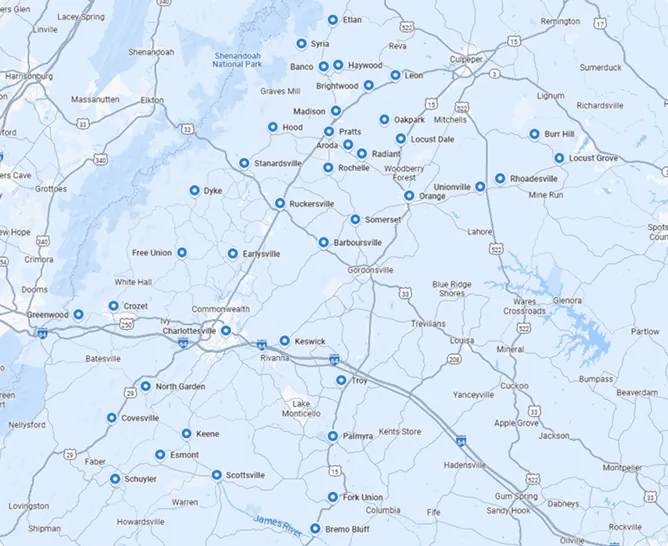
Service areas