

Choose an option to see quick actions and get help faster.


Is That Burning Smell Normal? Navigating Your First Fall Heating Startup
When you start checking off items on your seasonal home maintenance checklist, is your heating system actually ready for the cold, or is that strange burning smell filling your living room a sign of impending trouble? For many homeowners, the mid-fall October heating startup brings a mix of relief and anxiety. You turn up the thermostat to chase away the autumn chill, only to be met with unfamiliar odors and unsettling mechanical noises. The immediate decision point becomes clear: you need to know whether these symptoms are harmless seasonal burn-off or a serious mechanical issue that requires immediate professional attention.
Understanding exactly what happens inside your furnace or heat pump during its first cycle of the season is the key to a safe and comfortable winter. If you are considering a highly efficient alternative before the freezing weather arrives, exploring a mini split installation can provide reliable comfort without the traditional startup stress. However, if you are relying on your existing central heating equipment, knowing what to expect during that critical first run will give you the peace of mind to navigate the changing seasons confidently.
The Sensory Checklist: Identifying Harmless Dust Burn-Off
Before you panic and shut down your system, it helps to understand the mechanical reality of what your heating equipment endures during its off-season. Throughout Charlottesville's long, humid summers, your furnace or air handler sits largely idle while the cooling side of your system does the heavy lifting. This extended downtime allows a significant amount of household dust, pet dander, and airborne particulates to settle directly onto the heat exchangers and electrical heating elements.
Because high humidity makes this dust slightly sticky, it clings stubbornly to the internal components. When you finally initiate that first heating cycle, those components rapidly heat up to hundreds of degrees, effectively baking off the accumulated debris. This process produces a distinct, dusty, slightly burning odor that frequently alarms homeowners. If you are preparing to upgrade to mini split systems, you will still experience a mild version of this, but traditional forced-air systems tend to distribute the smell more aggressively through the ductwork.
1. Ventilate the space proactively: Before turning the thermostat to "heat," open a few windows on opposite sides of the house to create a cross-breeze. This allows the initial wave of burn-off odor to escape rather than lingering in your living areas.
2. Clear the surrounding area: Ensure the space around your indoor unit is completely free of stored items, boxes, or combustible materials. A clear perimeter improves safety and ensures adequate airflow.
3. Check your air filters: A clogged filter will restrict airflow, causing the system to run hotter than necessary and exacerbating the burning smell. Always start the season with a fresh, clean filter.
Monitoring the First 60 Minutes
The key to identifying harmless dust burn-off is its duration. Set a timer when you first activate the heating system. The characteristic "burning dust" smell should peak within the first ten minutes of operation. As the system continues to run and the internal components are cleared of debris, you should notice the odor steadily fading. By the time the system has been running for 30 to 60 minutes, the smell should be completely gone. If the odor persists beyond an hour, or if it changes in character, it is time to turn the system off and investigate further.
Recognizing Abnormal Odors and Electrical Hazards
While dust burn-off is a routine part of the mid-fall October heating startup, certain odors and events indicate dangerous component failures. Establishing clear boundaries between normal operation and hazardous conditions is critical for protecting your home. Never attempt DIY repairs on electrical or combustion components. If you experience any of the abnormal symptoms listed below, shut down the system immediately at the thermostat and switch off the dedicated breaker at your electrical panel.
• Smell of burning plastic or melting wire — Likely Cause: Failing electrical components, overheating blower motor, or melting wire insulation. — Required Action: Shut down immediately at the breaker. Call a licensed professional.
• Sharp, metallic "electrical ozone" smell — Likely Cause: Overheating circuit boards, failing capacitors, or severe electrical arcing. — Required Action: Shut down immediately at the breaker. Do not restart.
• Continuous, visible smoke from vents — Likely Cause: Severe mechanical friction, failing motor bearings, or a cracked heat exchanger. — Required Action: Evacuate if necessary, shut down power, and contact emergency HVAC services.
• Loud "boom" or delayed ignition on startup — Likely Cause: Dangerous gas buildup inside the combustion chamber before the igniter catches. — Required Action: Turn off the system immediately. This is a severe fire and explosion hazard.

Decoding Startup Noises in Your HVAC System
Smell is not the only sense you will rely on during a fall startup. Your system will communicate its mechanical health through sound. Because the equipment has been inactive or functioning solely in cooling mode for months, the transition to heating often produces a symphony of new noises. Understanding which sounds are harmless physics and which are cries for help will refine your diagnostic checklist.
Popping and Pinging: When hot air rushes into cold metal ductwork, the sudden temperature change causes the metal to expand. This thermal expansion creates popping, pinging, or ticking sounds that echo through the vents. This is entirely normal and should subside once the ductwork reaches a stable temperature.
Grinding and Scraping: A harsh, metal-on-metal grinding sound is never normal. This typically indicates failing bearings inside the blower motor or a fan blade that has come loose and is scraping against its housing. Running the system in this condition will quickly destroy the motor.
High-Pitched Squealing: If your system utilizes a belt-driven blower (more common in older units), a loud squeal usually points to a loose or deteriorating belt. In newer, direct-drive systems, a squeal often indicates a lack of lubrication in the motor bearings.
Continuous Rattling: While a brief vibration upon startup is common, a continuous, aggressive rattle suggests loose cabinet panels, unfastened duct connections, or an unbalanced blower wheel. A professional technician can easily secure these components during a routine tune-up, preventing the vibration from causing deeper mechanical stress.
Why Transitional Fall Weather Stresses Traditional Systems
The mid-fall October heating startup does not happen in a vacuum; it occurs during a period of intense weather volatility. Charlottesville's fluctuating October temperatures can swing from high humidity and warm afternoons to sudden, biting cold fronts overnight. This rapid toggling puts unique transitional stress on your HVAC equipment, particularly if you rely on a heat pump.
The Reversing Valve Strain: Heat pumps are marvels of modern engineering, capable of both cooling and heating by reversing the flow of refrigerant. The component responsible for this switch is the reversing valve. When transitional weather forces your system to run air conditioning at 2:00 PM and heating at 2:00 AM, the reversing valve is constantly shifting under high pressure. This frequent toggling can accelerate wear and tear on the valve's internal seals.
Short-Cycling in Mild Weather: Traditional central systems are sized to handle the extreme temperatures of deep winter and peak summer. During the mild days of autumn, an oversized or single-stage system will quickly reach the target temperature and shut off, only to turn back on minutes later as the temperature slightly drops. This rapid on-and-off sequence, known as short-cycling, places immense electrical strain on the capacitors and the compressor, significantly reducing overall system efficiency.
Dual-Function Testing: Because of this transitional stress, fall maintenance cannot focus solely on the furnace. A proper seasonal check must verify that the cooling functions are still operating correctly and that the system can seamlessly transition between modes without hesitation or electrical fault.
Upgrading for Winter: Mini Splits vs. Window Units
As you work through your seasonal preparations, you may realize that certain areas of your home—like a sunroom, a bonus room over the garage, or an older addition—struggle to stay warm. Many homeowners rely on seasonal window units for summer cooling and space heaters for winter warmth. However, fall is the perfect time to evaluate the long-term efficiency of these temporary solutions.
• Energy Efficiency and Performance: Window units are notoriously inefficient, and relying on portable space heaters drives up winter electricity bills dramatically. Ductless systems, by contrast, utilize advanced inverter technology to provide highly efficient, targeted heating and cooling from a single, permanent unit.
• Security and Thermal Bridging: Leaving a window AC unit installed during the winter is a significant security risk. Furthermore, the accordion side panels offer virtually no insulation, creating a massive thermal bridge that allows freezing air to pour directly into your living space. Removing them is a tedious annual chore.
• Dehumidification and Comfort: Ductless units provide superior, year-round dehumidification without the energy loss associated with leaky traditional ductwork. They monitor the exact temperature of the room they are in, providing precise comfort control.
• Financial Incentives: Upgrading to high-efficiency heat pump technology often qualifies for various energy rebates and utility incentives. While you should always verify current programs with your utility provider or a tax professional, these incentives can significantly offset the initial installation cost when comparing mini splits and window units.
When to Skip the DIY Checklist and Call a Local Professional
While changing your air filter and monitoring the initial startup smells are valuable homeowner tasks, the bulk of your seasonal preparation should be handled by a licensed expert. The EPA strongly recommends annual pre-season HVAC inspections to maintain safe indoor air quality and prevent dangerous carbon monoxide hazards.
Generic hardware store checklists often encourage DIY maintenance that brushes uncomfortably close to electrical and combustion systems. As an independent, locally-owned company, Airflow Systems provides customized professional inspections that go far beyond generic DIY advice. A comprehensive professional tune-up during your mid-fall October heating startup covers critical safety and performance metrics:
• Carbon Monoxide Testing: Technicians utilize specialized equipment to test the heat exchanger for microscopic cracks that could leak deadly, odorless carbon monoxide into your home's airstream.
• Electrical Connection Tightening: A summer of vibration can loosen electrical terminals. A professional will torque all high-voltage connections, test the microfarad readings on capacitors, and measure the amp draw of the motors to prevent mid-winter electrical failures.
• Gas Pressure Calibration: For gas furnaces, ensuring the manifold gas pressure is set to the manufacturer's exact specifications prevents delayed ignition, sooting, and inefficient fuel consumption.
• Safety Switch Verification: Your system is equipped with multiple limit switches designed to shut the unit down if it overheats or if the flame rolls out of the combustion chamber. A professional inspection physically tests these switches to ensure they will protect your home in an emergency.
Frequently Asked Questions About Fall HVAC Maintenance
Why does my heater smell like burning when I turn it on for winter?
The burning smell during the first heating cycle is usually caused by the accumulation of dust, pet dander, and airborne particles on the heat exchanger over the summer. When the furnace or heat strips activate, this organic matter bakes off, producing a distinct odor. This is a normal mechanical process and does not typically indicate a system failure, provided the smell fades quickly.
What should be on a fall HVAC maintenance checklist?
A comprehensive fall checklist should include replacing the air filter, clearing debris from around the outdoor unit, opening all indoor vents to ensure proper airflow, and testing the system before the first freezing night. Most importantly, it must include scheduling a professional inspection to verify the integrity of the electrical connections and the heat exchanger.
How long does the burning dust smell last on a furnace?
The normal burning dust odor should peak within the first 10 to 15 minutes of operation and completely dissipate within 30 to 60 minutes. If the smell persists beyond an hour, grows stronger, or changes to smell like melting plastic or electrical ozone, shut the system down immediately and call a professional.
Is it normal for a heat pump to make a loud noise when starting?
A brief, low hum or a mild swooshing sound as the refrigerant changes direction is normal for a heat pump. However, loud banging, continuous grinding, or a harsh metal-on-metal squeal is never normal and indicates a failing motor bearing, a loose fan blade, or a struggling compressor that requires immediate attention.
Should I remove my window AC unit before turning on the heat?
Yes, you should always remove window air conditioning units before the cold weather sets in. Leaving them in place creates a massive draft, allows warm heating energy to escape, and poses a security risk, as the side panels offer no structural integrity against intruders or harsh winter storms.
At what temperature should I test my heating system in the fall?
You should test your heating system on a day when the indoor temperature has naturally dropped below 68°F. Turn the thermostat up three to five degrees above the current room temperature to force the system to cycle on, allowing you to monitor the startup sequence, airflow, and any initial odors safely during daylight hours.
Schedule Your Pre-Winter Inspection and Stay Comfortable
Navigating the mid-fall October heating startup doesn't have to be a stressful guessing game. By distinguishing the harmless smell of settling dust from the urgent warning signs of electrical or mechanical failure, you can protect your home and your family as the seasons change. While monitoring your system's first cycle is a great first step, nothing replaces the thorough, technical evaluation of a licensed professional. Reassure yourself that your equipment is safe, efficient, and ready for the cold months ahead. Take action today to schedule your comprehensive fall inspection or to explore high-efficiency heating upgrades before the harsh winter weather arrives.
Book Expert Service Or Contact Us
Our Service Process
A Hassle-Free Service Experience
01
Consultation & Diagnosis
We start by listening to your needs and performing a thorough diagnosis of your system to recommend the best solution.
02
Transparent Quoting
We provide a clear, upfront estimate with no hidden fees, so you know exactly what to expect.
03
Expert Service & Follow-Up
Our factory-trained technicians complete the work to the highest standards, and we follow up to ensure your complete satisfaction.
testimonials
What Our Customers Are Saying
Our customers consistently praise our exceptional service and attention to detail, making us a trusted choice for all your HVAC needs.
where we operate
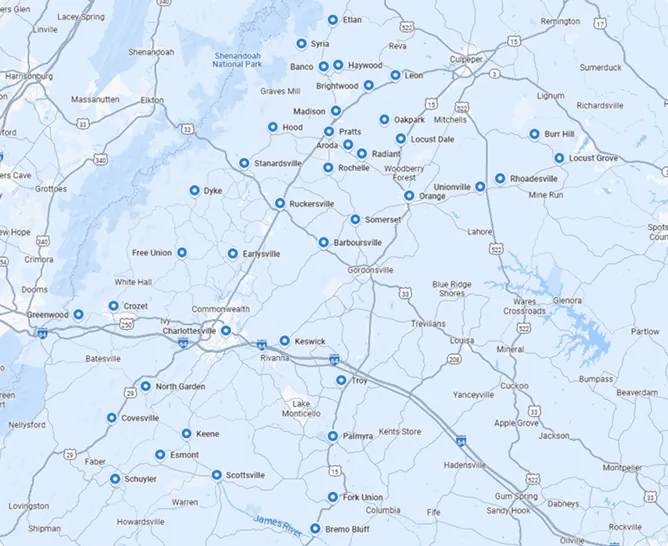
Service areas