

Choose an option to see quick actions and get help faster.

The Anxiety of the First Mid-Fall Heating Startup
Searching for reliable home maintenance tips and troubleshooting can feel overwhelming when you flip your thermostat from cool to heat for the very first time this season, only to be met with a strange burning smell and unsettling noises. That crisp October morning quickly turns stressful when your home feels surprisingly chilly, and your vents are blowing lukewarm air. You are suddenly faced with a tough decision: trying to figure out which of these system quirks are harmless seasonal adjustments and which ones signal a serious safety risk. A mid-fall heating startup often brings these hidden issues to the surface after months of dormancy. Proactive care and a clear understanding of how your system behaves are your best defenses against unexpected breakdowns.
For comprehensive protection, explore our HVAC maintenance plan or schedule professional AC repair services before the deep cold arrives.
How Regional Climate Shifts Stress Your HVAC System
The environmental shift in the Blue Ridge foothills is beautiful, but it is notoriously harsh on your mechanical equipment. The transition from highly humid summers to sudden, crisp autumns creates intense thermal and mechanical stress on your HVAC system. During those long, muggy summer months, your air conditioner works overtime to pull moisture from the indoor air. This high humidity causes household dust, pet dander, and biological matter to adhere stubbornly to your indoor evaporator coils and heat exchangers.
The hidden problem: When the weather cools down and you initiate that mid-fall heating startup, the system suddenly shifts gears. Heat pump reversing valves that have been locked in the cooling position for months must physically shift to reverse the flow of refrigerant. Furnace burners that have sat dormant in a damp basement or crawlspace are suddenly called upon to produce intense heat.
The mechanical cause: This abrupt change in operation forces expansion and contraction in metal components that haven't moved since last winter. The dust and debris that baked onto the components during the summer now act as an insulating blanket, forcing the system to work harder to transfer heat.
The proactive solution: Because this regional environmental stress is unavoidable, preventative care becomes essential rather than optional. Waiting for a part to fail under the strain of a sudden temperature drop often leads to emergency service calls. By addressing the buildup left over from summer before the heavy winter workload begins, you protect the delicate components from premature wear and tear.
Decoding Heating Smells: Normal Dust vs. Safety Risks
One of the most common reasons homeowners panic during a mid-fall heating startup is a sudden, sharp odor coming from the vents. We believe in an honest approach to diagnostics: not every strange smell means you need an expensive repair or a system replacement. In fact, a brief "burning dust" smell is completely normal during your first heating cycle.
Over the summer, dust and microscopic debris settle on your furnace's heat exchanger or your heat pump's auxiliary heating coils. When those components heat up for the first time in months, that accumulated dust simply burns off. This harmless odor typically dissipates within a few hours of normal operation. Opening a few windows to let the house air out is usually all that is required.
However, you must be able to contrast this normal seasonal quirk with dangerous odors that require immediate attention. If you detect the smell of electrical burning, melting plastic, or a distinct rotten egg odor (which indicates a natural gas leak), you are no longer dealing with harmless dust. Lingering odors that do not fade after a day of operation can severely impact your home's environment. In these cases, you may need professional indoor air quality testing to determine if your system is circulating harmful particulates or exhaust gases.
When to Shut Down the System
Knowing when to turn off your thermostat can prevent a minor issue from becoming a major hazard. Here are the specific triggers for an immediate shutdown:
• Persistent electrical smells: An odor resembling ozone or burning wire insulation indicates an overheating motor or a failing capacitor.
• Visible smoke: Any smoke coming from the vents or the equipment cabinet is an absolute emergency.
• Gas odors: The smell of sulfur or rotten eggs means you should shut off the system, leave the house, and call your utility provider immediately.
These are not DIY situations. A licensed professional must evaluate the system to ensure your home remains safe.

Troubleshooting Strange Furnace and Heat Pump Noises
Just like unusual smells, strange sounds are a hallmark of the mid-fall heating startup. Your ductwork and HVAC equipment are made of thin metal that expands and contracts as temperatures change. A few light popping or pinging sounds as the warm air first hits the cold ducts are entirely normal. However, mechanical distress signals sound distinctly different and should never be ignored.
If you hear a loud banging or booming sound right after the thermostat calls for heat, you may be dealing with delayed ignition in a gas furnace. This happens when the burners are dirty or misaligned, causing gas to build up before it finally ignites with a small explosion. Over time, this mini-explosion can crack the heat exchanger, creating a severe safety hazard.
Rattling or screeching noises usually point to moving parts that are struggling. A high-pitched squeal often means the blower motor bearings are failing or a fan belt is slipping. A continuous rattling sound might simply be a loose access panel, but it could also indicate an unbalanced blower wheel that is vibrating against its housing.
• Light popping or pinging — Likely Cause: Metal ductwork expanding as it warms up — Recommended Action: None; this is normal operation.
• Loud booming or banging — Likely Cause: Delayed gas ignition due to dirty burners — Recommended Action: Turn off system; schedule professional service.
• High-pitched screeching — Likely Cause: Failing motor bearings or slipping belts — Recommended Action: Turn off system to prevent motor burnout.
• Continuous rattling — Likely Cause: Loose panels or unbalanced blower wheel — Recommended Action: Check exterior panels; call a pro if internal.
Connecting these mechanical symptoms to the need for comprehensive system checks before winter is critical. Addressing a screeching bearing in October is a minor fix; replacing a completely seized blower motor in December is a major headache. If your system is making alarming sounds, investing in professional heating services is the smartest way to protect your equipment.
Why Your Heat Pump is Blowing Lukewarm Air in the Fall
A highly specific and common complaint during a mid-fall heating startup is that the heat pump appears to be blowing cold or lukewarm air. If you are used to the blast of intense heat from a traditional gas furnace, a heat pump can feel surprisingly different.
Here is the reality: heat pumps operate by extracting ambient heat from the outside air and transferring it indoors. The air coming out of your vents is usually around 90°F to 95°F. Because your body temperature is 98.6°F, this air physically feels cool to the touch when it blows across your skin, even though it is actively warming a 68°F room.
However, if the air is genuinely cold and the room temperature is dropping, you have a mechanical issue. Common culprits include a stuck reversing valve. This valve is responsible for switching the system from cooling to heating. If it gets stuck due to lack of maintenance or electrical failure, your system will continue to operate in air conditioning mode. Low refrigerant levels or a miscalibrated thermostat can also prevent the system from generating adequate heat.
Restricted airflow exacerbates these heating inefficiencies. If you have a dirty air filter or blocked outdoor coils covered in fallen leaves, the heat pump cannot absorb or distribute heat effectively. Additionally, extreme thermostat adjustments can cause major problems. Cranking the thermostat up by ten degrees all at once can force the system into emergency heat mode or cause lockouts. Understanding why dropping your thermostat can freeze your AC is just as important as knowing why drastic heating adjustments strain your heat pump. Gradual temperature changes are always better for system efficiency and longevity.
The Strict Boundary Between Safe DIY and Professional Diagnostics: Home Maintenance Tips and Troubleshooting
When preparing your home for winter in the Blue Ridge foothills, it is tempting to try and fix minor heating issues yourself. While taking an active role in your home's upkeep is great, there is a strict boundary between what a homeowner can safely check and what legally and practically requires a licensed professional.
Here are the safe DIY tasks you should perform:
1. Changing your air filters: A clean filter is the single most important thing you can provide for your HVAC system. Swap it out every 30 to 90 days.
2. Checking thermostat settings: Ensure the system is actually set to "Heat" and that the fan is set to "Auto" rather than "On", which can blow cold air between heating cycles.
3. Clearing debris from the outdoor unit: Keep leaves, branches, and snow at least two feet away from your outdoor heat pump cabinet to ensure proper airflow.
4. Checking circuit breakers: If the system is completely unresponsive, verify that a breaker hasn't tripped in your electrical panel.
Conversely, you must explicitly avoid any DIY attempts on internal components. Never attempt to adjust or clean electrical wiring, reversing valves, blower motors, or gas burners. Opening the equipment cabinet to tinker with internal parts poses severe safety risks, including electrical shock or carbon monoxide exposure.
Furthermore, attempting unauthorized repairs can instantly void your manufacturer warranty. Professional diagnostics ensure genuine system longevity without the guesswork. A licensed technician has the specialized tools to measure electrical draws, test refrigerant pressures, and verify safe gas combustion. If your troubleshooting steps don't resolve the issue, it is time to call for proper AC repair services or heating diagnostics.
The Tangible Value of a Preventative HVAC Maintenance Plan
Bridging the gap between treating troubleshooting symptoms and ensuring long-term reliability comes down to proactive care. Routine tune-ups catch failing reversing valves, worn belts, and dirty burner problems long before the first major cold snap hits. Instead of crossing your fingers during that mid-fall heating startup, you can turn on your system with confidence.
The financial benefits of routine care are substantial. According to the U.S. Department of Energy, routine maintenance and consistent filter replacements can lower an HVAC system's energy consumption by up to 15%. A clean, well-lubricated system simply doesn't have to work as hard to heat your home, which directly translates to lower monthly utility bills.
If a technician discovers that your older system is beyond safe repair, being proactive gives you time to make an educated decision. Generic federal tax credits and local utility rebates may apply to qualifying high-efficiency upgrades, helping offset the cost of a new installation.
As a family-owned business, our focus is always on genuine system longevity and reliable comfort. We utilize maintenance to prevent breakdowns and extend the life of your equipment, rather than using it as a tool for corporate upselling. Regular inspections also protect your indoor air quality. By thoroughly cleaning the blower assembly and checking for proper ventilation, technicians ensure that you aren't circulating dust, allergens, or dangerous exhaust gases through your living spaces. Ultimately, a comprehensive maintenance plan shifts you from a state of reactive panic to proactive assurance, knowing your home will remain comfortable, efficient, and safe all winter long.
Frequently Asked Questions About Fall Heating Startup
Why does my heater smell like burning when I turn it on for the first time?
A burning smell during your mid-fall heating startup is usually caused by dust burning off the heat exchanger or heating coils. Over the summer, household dust settles on these internal components. When the heat activates for the first time, this debris burns away, creating a temporary odor that should dissipate within a few hours.
How do I know if my furnace is safe to run?
Your furnace is generally safe to run if it cycles on normally, produces warm air, and does not emit unusual noises or lingering odors. However, the only way to be absolutely certain is through a professional inspection. A licensed technician will check for cracked heat exchangers and verify proper gas combustion to rule out carbon monoxide risks.
Why is my heat pump blowing cold air in the fall?
Heat pumps naturally produce air that is cooler to the touch than a gas furnace, usually around 90°F to 95°F. If the air is genuinely cold and failing to warm the room, the system may have a stuck reversing valve, low refrigerant, or a heavily clogged air filter restricting airflow. These mechanical issues require a professional diagnosis to correct.
What is included in an HVAC maintenance plan?
An HVAC maintenance plan typically includes bi-annual professional tune-ups for both your heating and cooling equipment. Technicians will clean coils, lubricate moving parts, test electrical connections, calibrate the thermostat, and verify safe operation. This proactive care helps prevent unexpected breakdowns and extends the overall lifespan of your system.
How long should the burning dust smell last when I turn on the heat?
The normal burning dust smell should only last for a few hours during the initial heating cycle. If you open a few windows to ventilate the space, the odor should clear out quickly. If the smell persists for more than a day, or changes to an electrical or plastic burning odor, shut the system down and call a professional.
Can a dirty air filter cause my heating system to shut down?
Yes, a severely dirty air filter restricts airflow, which can cause the internal components of your heating system to overheat. Modern furnaces and heat pumps are equipped with safety limit switches that will automatically shut the system down to prevent a fire or permanent equipment damage. Changing your filter regularly is the best way to prevent this issue.
Ensure a Safe and Warm Winter with Proactive Care
True comfort comes from knowing your system is professionally cleared for the demands of winter. Navigating a mid-fall heating startup doesn't have to involve guesswork or anxiety. By understanding the normal seasonal quirks and recognizing the signs of mechanical distress, you can protect your home and your family. We encourage you to explore your maintenance options before the deep cold arrives. Reach out today for a professional inspection, and enjoy a warm, reliable, and worry-free winter season.
Book Expert Service Or Contact Us
Our Service Process
A Hassle-Free Service Experience
01
Consultation & Diagnosis
We start by listening to your needs and performing a thorough diagnosis of your system to recommend the best solution.
02
Transparent Quoting
We provide a clear, upfront estimate with no hidden fees, so you know exactly what to expect.
03
Expert Service & Follow-Up
Our factory-trained technicians complete the work to the highest standards, and we follow up to ensure your complete satisfaction.
testimonials
What Our Customers Are Saying
Our customers consistently praise our exceptional service and attention to detail, making us a trusted choice for all your HVAC needs.
where we operate
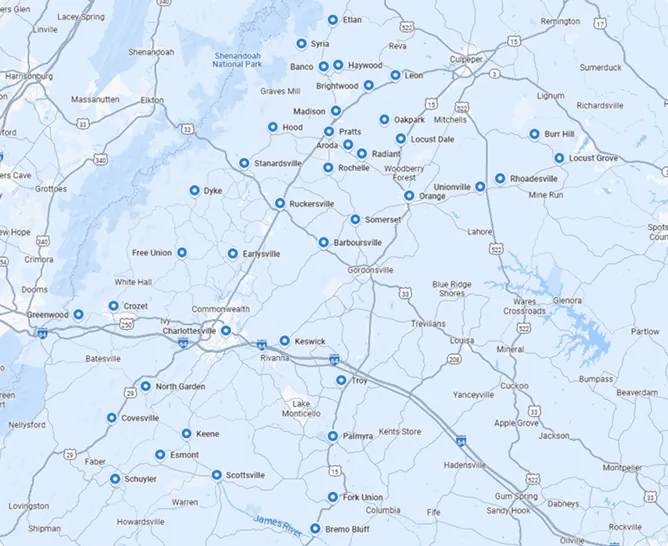
Service areas