

Choose an option to see quick actions and get help faster.
.svg)
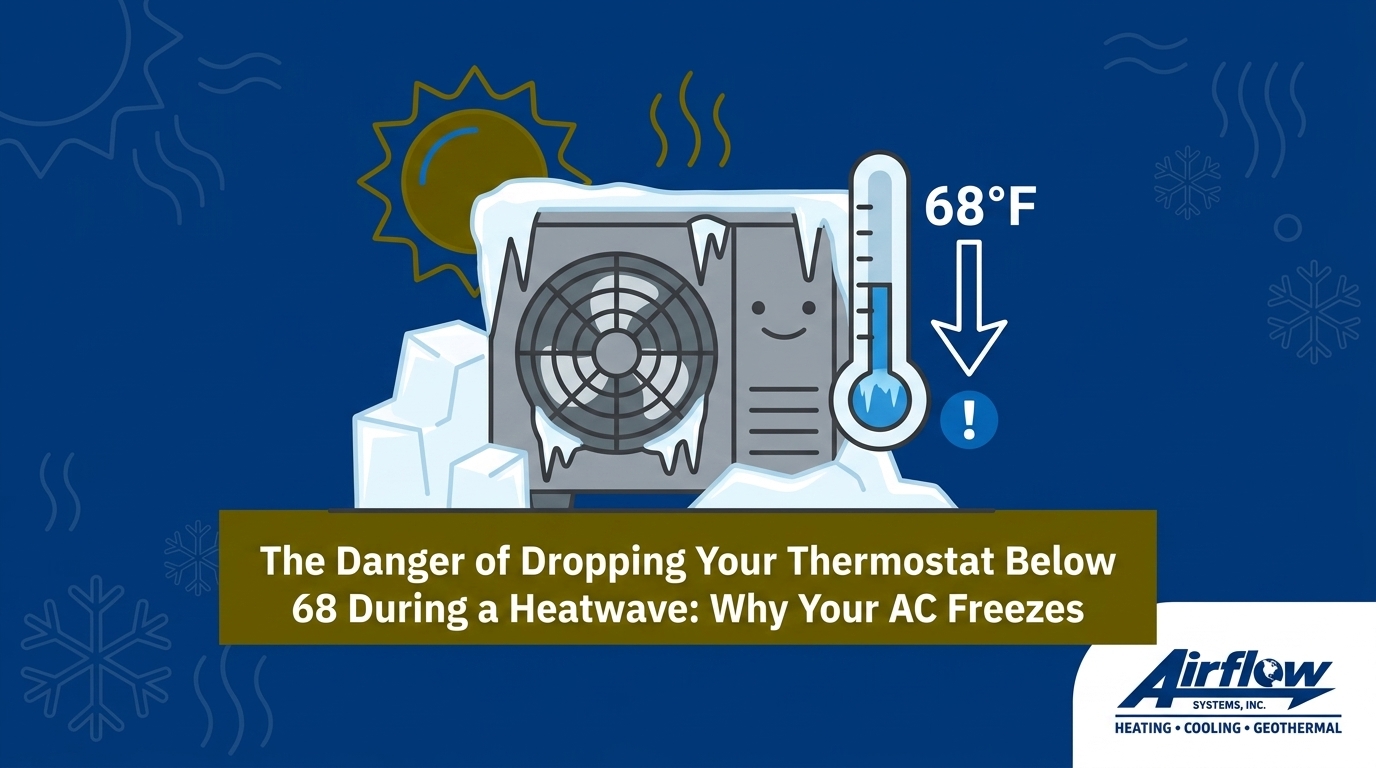
Facing the Heat: Why Pushing Your AC to the Limit Backfires
The middle of a July heatwave brings a special kind of heavy, intense heat, and at Airflow Systems, Inc., we see firsthand how understanding the danger of dropping your thermostat below 68 during a heatwave can save you from a complete system breakdown. You walk through the front door, sweating from the oppressive outdoor temperatures, only to find that your house feels uncomfortably warm. Your thermostat reads 78°F. At that exact moment, you face a common decision point: do you leave the thermostat at a safe, moderate baseline, or do you drastically drop the setting down to 65°F to force the house to cool off faster?
The immediate discomfort of a severe summer heatwave makes the temptation to crank the temperature down incredibly strong. In our years serving the Charlottesville area, we've found most homeowners assume that asking for a much lower temperature will kick the equipment into a higher gear. However, dropping the thermostat below a safe baseline does not cool your home any faster. Instead, it places immense mechanical strain on the equipment and risks a catastrophic system failure.
Residential air conditioning systems are engineered with highly specific operational limits. When you push your equipment beyond those physical capabilities by demanding temperatures it cannot achieve, the internal components begin to fail. The most common consequence our technicians see is a completely frozen evaporator coil. Once a system freezes solid, relying on emergency AC repair becomes inevitable to restore your home's comfort.
The Thermostat Misconception: Why Lower Isn't Faster
To understand why a system fails under pressure, you have to look at the fundamental physics of how cooling works. When our team is out on residential service calls, we find the most widespread misconception is that a thermostat acts like a throttle or a gas pedal in a car. People assume that setting the temperature to 60°F tells the equipment to pump out much colder air than it would if set to 72°F. This is entirely false.
An air conditioner cools at a constant rate. It operates more like a simple on/off switch. When the indoor temperature rises above your set point, the system turns on. It then supplies air that is typically 15 to 20 degrees cooler than the warm air it pulls in through your return vents. It cannot manufacture "colder" air simply because you requested a lower final temperature.
The reality of the cooling cycle: Setting a thermostat below 68°F only forces the unit to run for a longer continuous duration. It does not increase the cooling intensity. If the system runs endlessly without naturally cycling off, it places immense mechanical strain on the compressor and the blower motor.
• Lowering the setting to 65°F cools the house twice as fast. — The Physics Reality: The system cools at a constant rate; it just runs longer trying to reach 65°F.
• The unit blows 40°F air when set to 60°F. — The Physics Reality: The unit always blows air 15-20 degrees cooler than the indoor return air.
• The system works harder when set lower. — The Physics Reality: The cooling capacity remains identical, but the continuous runtime causes freezing.
Continuous operation without cycling off is exactly what leads to premature wear and tear. Your equipment is designed to run in cycles, taking brief breaks to allow pressures to equalize and condensation to drain. Forcing it to run nonstop to chase an impossible target temperature is a guaranteed recipe for failure.
The 20-Degree Rule and System Limitations
As local HVAC experts, our team at Airflow Systems, Inc. designs and installs cooling equipment based on strict industry standards. One of the most important engineering guidelines we follow is the 20-degree differential rule. Understanding this rule explains why your equipment struggles during extreme weather.
Understanding the Maximum Differential
Residential cooling systems are generally sized and designed to maintain a maximum 20-degree difference between the indoor temperature and the outdoor temperature. This differential accounts for the thermal limits of your home's insulation, the heat gained through windows, and the physical capacity of the refrigerant cycle.
If it is a blistering 95°F outside, achieving an indoor temperature of 75°F pushes your system to its absolute maximum operational limits. The equipment is working at 100% capacity just to maintain that 20-degree gap. The heat transferring through your roof and walls is constantly fighting the cold air being pushed through your vents.
When Demands Exceed Capabilities
Problems arise when you ignore this limitation. Demanding a temperature of 68°F or lower during extreme outdoor heat forces the system to operate entirely outside its engineered parameters. If it is 98°F outside, asking for 68°F requires a 30-degree differential. A standard residential unit simply cannot overcome that much thermal heat gain.
Because the unit can never reach the requested 68°F target, the thermostat never sends the signal to turn off. The compressor runs endlessly, the blower motor spins continuously, and the internal temperatures of the system begin to drop into dangerous territory.
The Danger Zone: What Happens Inside the AC Below 68°F
When you force the equipment to run continuously by setting the target below 68°F, a very specific chain of physical events occurs inside your indoor air handler. When our repair crews open up a failing unit, the star player in this breakdown process is always the evaporator coil, a series of copper tubes filled with cold chemical refrigerant.
The heat extraction process:
• Warm air intake: The blower motor pulls warm indoor air through the return vents and pushes it over the evaporator coil.
• Heat absorption: The cold refrigerant inside the coil absorbs the heat from the air, cooling the air before it blows back into your rooms.
• Pressure changes: As heat is absorbed, the refrigerant changes from a liquid to a gas and travels outside to the compressor.
Here is where the physics turn against you. The refrigerant relies on a steady supply of warm air to absorb enough heat to boil into a gas. If you force the unit to run continuously to reach below 68°F, the air passing over the coil eventually becomes too cool to provide adequate heat transfer.
Without enough heat to absorb, the pressure and temperature of the refrigerant drop significantly. This continuous, uncycled operation forces the evaporator coil's surface temperature to plummet below 32°F. Once the physical metal of the coil drops below freezing, the normal condensation process turns into ice accumulation. The moisture pulled from your indoor air freezes directly onto the copper fins, starting a rapid downward spiral.

How High Humidity Accelerates Evaporator Coil Freezing
The local climate plays a massive role in how quickly an overworked system will fail. An air conditioner does not just cool the air; it acts as a powerful dehumidifier. As warm air passes over the cold evaporator coil, the moisture in the air condenses into liquid water, which drips into a pan and drains outside. A standard unit extracts gallons of water from the indoor air every single day.
The Problem with Heavy Moisture Loads
Serving Charlottesville, our team knows exactly how our highly humid, hot conditions impact equipment. The summer air is thick and heavy with water vapor. When you combine this massive volume of moisture with a sub-freezing evaporator coil, you create the perfect environment for rapid and severe ice buildup.
The Cause of the Ice Block
In an arid, dry climate, a coil running below freezing might only develop a thin layer of frost because there is very little moisture in the air to freeze. However, Charlottesville's high humidity guarantees a different outcome. The heavy moisture constantly hitting the 30°F metal coil instantly turns to frost, which quickly builds into a solid block of ice. Our technicians frequently see this process happen in a matter of hours during peak summer usage.
The Solution to the Blockage
Once this ice block forms, it completely halts the cooling process by physically blocking airflow across the coil. The blower motor continues to run, but no air can push through the wall of ice. The only solution at this stage is to completely shut down the equipment and allow the massive ice block to melt naturally, a process that can take up to 24 hours in severe cases.
The Compounding Factor: Airflow Restrictions
While low thermostat settings are a primary trigger for freezing, secondary issues often compound the physics of the problem. Proper airflow is absolutely required to keep the evaporator coil warm enough to prevent freezing. The steady flow of warm return air is what transfers heat into the refrigerant.
A pattern we see often during summer service calls is that a clogged or dirty air filter severely restricts the volume of warm return air flowing over the coil. When the filter is packed with dust, pet hair, and debris, the blower motor struggles to pull enough air through the system. This starves the coil of the heat it desperately needs to keep the refrigerant boiling properly.
When you connect these two issues—setting the thermostat too low while having a dirty filter—you drastically accelerate the timeline to a complete system freeze. What might have taken eight hours to freeze with a clean filter can happen in just two hours with a restricted one. Understanding how dirty filters cause frozen evaporator coils is a major part of preventing mid-summer breakdowns.
Our technicians heavily recommend regular filter checks as a primary defense during peak summer usage. Inspect your filter every 30 days during a July heatwave, and replace it immediately if you cannot see light passing through the material.
Smart Alternatives to Forcing Your AC to Overwork
Instead of dropping your thermostat below 68°F and risking a frozen coil, our HVAC experts at Airflow Systems, Inc. highly recommend highly effective, actionable alternatives to manage your indoor comfort. You can feel cooler and reduce the thermal load on your home without pushing your equipment into the danger zone.
1. Utilize ceiling fans strategically: Ceiling fans do not lower the room's temperature, but they do create a wind-chill effect on your skin. Moving air evaporates moisture from your body, making the room feel up to 4 degrees cooler without changing the actual thermostat setting.
2. Block solar heat gain: The sun beating through your windows adds massive amounts of thermal heat to your home. Close your blinds, draw the shades, and use thermal curtains on south- and west-facing windows during the hottest parts of the day. This simple step drastically reduces the amount of heat your system has to remove.
3. Upgrade your technology: Upgrading to smart thermostats allows you to optimize your cooling cycles. Modern thermostats can be programmed to pre-cool your home during the cooler morning hours and prevent the system from running continuously into the danger zone during peak afternoon heat.
4. Establish a safe baseline strategy: Find a moderate temperature setting (typically between 72°F and 75°F) and leave it there. Consistency is far better for your equipment than wild temperature swings. Let the system maintain a steady baseline rather than forcing it to play catch-up during extreme weather.
What to Do If Your System Freezes During a Heatwave
Despite best efforts, mistakes happen. If you suspect your system has already crossed the threshold into freezing, you must take immediate action to prevent permanent damage to the compressor.
Signs of a frozen evaporator coil:
• Warm air blowing from your supply vents.
• Significantly reduced airflow coming out of the registers.
• Visible ice buildup on the copper refrigerant lines outside near the compressor.
• Water pooling around the indoor air handler as the ice slowly begins to melt.
If you notice these symptoms, immediately turn the thermostat from "cool" to "off." Then, switch the fan setting from "auto" to "on." This forces the blower motor to push warm indoor air over the frozen coil, which begins the thawing process. Never attempt to scrape the ice away with tools or manually open the system to speed up the melting. The evaporator coil fins are incredibly delicate, and a single slip can puncture the copper, causing a severe and expensive refrigerant leak.
Airflow Systems, Inc. runs countless emergency service calls during local Charlottesville heatwaves for this exact issue. Every July, our dispatch board lights up with frozen coil reports because homeowners try to push their systems too hard. Once the ice has melted, professional diagnostics are required. A technician must ensure the system hasn't suffered permanent compressor damage and verify that the refrigerant levels are properly balanced. Having a routine HVAC maintenance plan ensures a professional is regularly checking these delicate balances before the peak heat arrives.
Protect Your Comfort and Your Equipment This Summer
Managing your indoor comfort during extreme weather requires an understanding of how your equipment actually functions. Patience and proper temperature management are always safer and more effective than dropping the thermostat below 68°F. By respecting the 20-degree rule and keeping your airflow unrestricted, you protect the internal components from freezing solid.
Our team at Airflow Systems, Inc. knows that understanding the physics of your system prevents unnecessary emergency breakdowns during the worst of a July heatwave. If your system is constantly struggling to maintain safe temperatures without freezing, it may indicate underlying mechanical issues that require attention. Schedule your professional tune-up before the worst of the summer heat hits, ensuring you have a clear, physics-based approach to staying cool safely.
Frequently Asked Questions
Does setting the AC lower make it cool faster?
No, setting the thermostat lower does not make the system cool your home faster. Air conditioners cool at a constant rate, supplying air that is 15 to 20 degrees cooler than the return air. A lower setting simply forces the unit to run for a longer period of time, which places heavy strain on the compressor and increases the risk of freezing the evaporator coil.
Why does my AC freeze when I turn it down?
Your system freezes because continuous runtime drops the temperature of the internal evaporator coil below 32°F. When you demand a temperature the system cannot reach, it never cycles off. The continuous operation causes the refrigerant pressure to drop, turning the moisture in your indoor air into solid ice on the metal coils.
What should I do if my AC coil freezes?
Immediately turn your thermostat from "cool" to "off" and switch the fan setting to "on." This allows the blower to push warm air over the ice to help it thaw safely. Never attempt to chip or scrape the ice away yourself, as this can easily puncture the delicate copper coils and cause a massive refrigerant leak.
What happens if I set my AC to 65 in the summer?
If it is hot outside, setting your thermostat to 65°F will likely force the system to run continuously without stopping. Because residential systems are designed for a maximum 20-degree differential from the outdoor temperature, demanding 65°F on a 90°F day pushes the equipment beyond its limits, usually resulting in a frozen coil and a spiked energy bill.
How low is too low for an air conditioner?
Generally, setting an air conditioner below 68°F during a severe heatwave enters the danger zone for freezing. The exact limit depends on your local climate, humidity levels, and the condition of your air filter. Maintaining a steady baseline between 72°F and 75°F is recommended for optimal performance and equipment safety.
Can high humidity cause my AC unit to freeze faster?
Yes, high ambient humidity drastically accelerates the freezing process. An air conditioner acts as a dehumidifier, pulling large volumes of water vapor from the air. When that heavy moisture load hits an overworked, sub-freezing evaporator coil, it instantly turns to frost and quickly builds into a solid block of ice that stops all airflow.
Book Expert Service Or Contact Us
Our Service Process
A Hassle-Free Service Experience
01
Consultation & Diagnosis
We start by listening to your needs and performing a thorough diagnosis of your system to recommend the best solution.
02
Transparent Quoting
We provide a clear, upfront estimate with no hidden fees, so you know exactly what to expect.
03
Expert Service & Follow-Up
Our factory-trained technicians complete the work to the highest standards, and we follow up to ensure your complete satisfaction.
testimonials
What Our Customers Are Saying
Our customers consistently praise our exceptional service and attention to detail, making us a trusted choice for all your HVAC needs.
where we operate
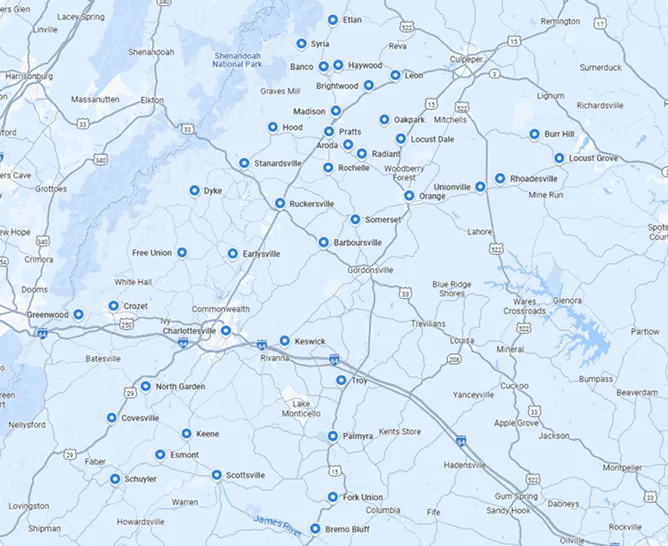
Service areas