

Choose an option to see quick actions and get help faster.
.svg)
HVAC Company in Bremo Bluff, VA
HVAC services in Bremo Bluff, VA delivering installation, repair, maintenance, IAQ testing, geothermal and mini-split options with expert local support.
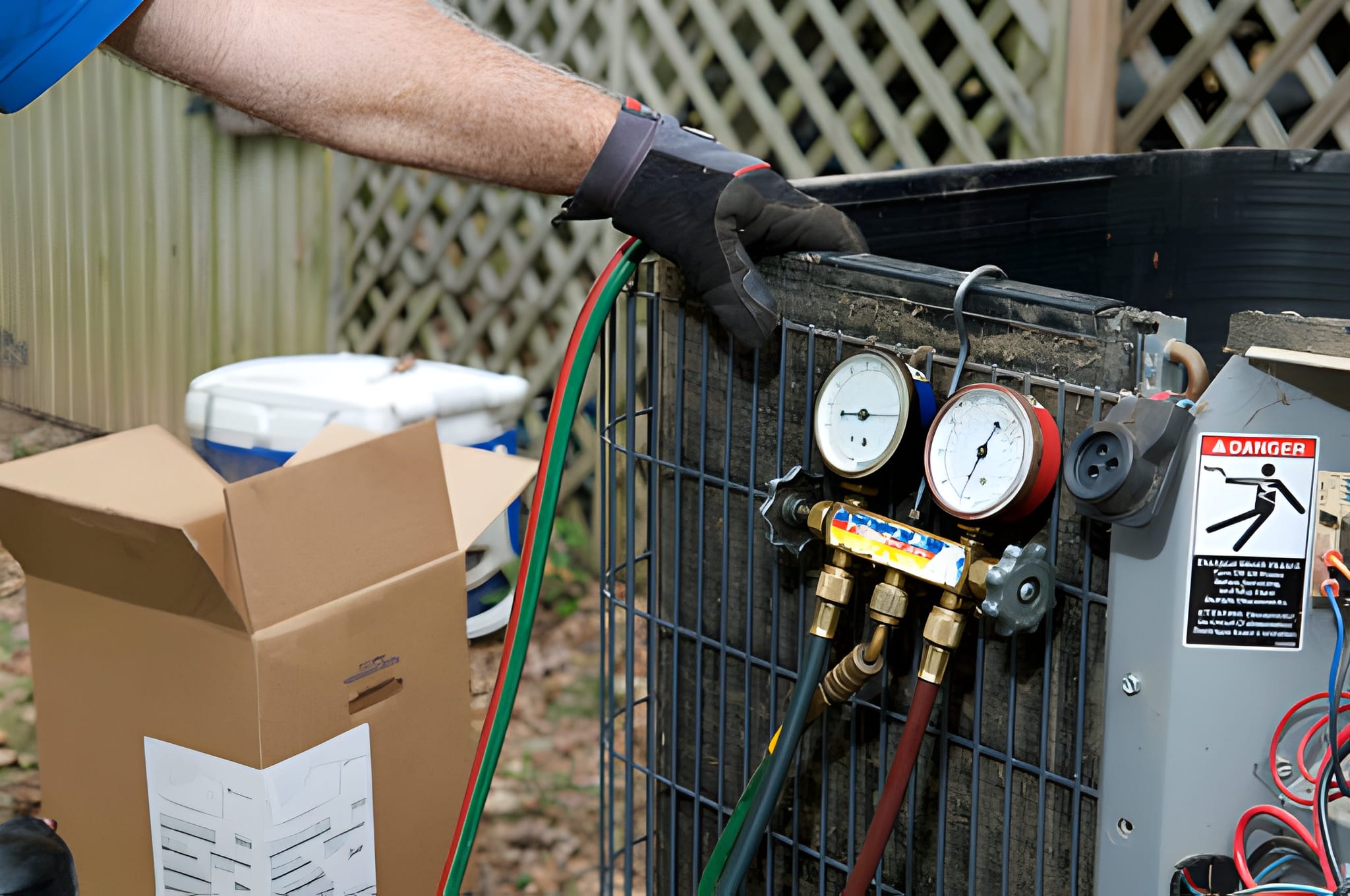
Air flow provides full-service residential HVAC solutions for homeowners in Bremo Bluff, VA. It describes the heating and cooling services most relevant to local homes, describes common problems and modern solutions, and describes the typical service process from initial assessment to post-service follow-up. If you need reliable installation, repair, preventive maintenance, indoor air quality testing, geothermal or mini-split options, or a home energy audit, this is a practical guide to what a trusted HVAC company will evaluate and deliver for homes in and around Bremo Bluff.
Why HVAC service matters in Bremo Bluff, VA
Bremo Bluff sits along the James River in Fluvanna County and experiences humid Virginia summers and cold winter nights. Seasonal humidity, older cottage-style homes, and proximity to the river create specific HVAC priorities: efficient cooling to manage humidity, dependable heating for winter, and indoor air quality measures to control mold and allergens. Local storm events and occasional flood risk near the river also influence equipment placement and system resilience. Choosing an experienced local HVAC provider such as Air flow ensures technicians know how to adapt system design and maintenance to these regional conditions.
Core residential HVAC services in Bremo Bluff
Air flow delivers a complete set of residential HVAC services designed to keep your home comfortable, efficient, and safe. These services include:
- Heating installation, repair, and maintenance
- Furnace and heat pump replacement and repairs
- Boiler servicing where applicable
- Combustion safety checks and carbon monoxide testing
- Air conditioning installation, repair, and tune-ups
- Central AC systems and heat pumps
- Seasonal pre-summer inspections and refrigerant checks
- Preventive maintenance plans
- Biannual tune-ups, filter changes, safety checks, and priority scheduling
- 24/7 emergency repair response
- After-hours triage, temporary measures to restore comfort, and permanent repairs
- Geothermal system design and installation
- Closed-loop and open-loop solutions evaluated for site suitability
- Ductless mini-split system options
- Zoned heating and cooling for additions, basements, or rooms without ductwork
- Indoor air quality testing and solutions
- Air sampling, humidity control, filtration upgrades, UV germicidal options
- Home energy audits
- Whole-house assessments to identify efficiency improvements and reduce bills
- Certifications and compliance
- Work performed to NATE standards and using Energy Star-qualified equipment where appropriate
- Financing and maintenance plan options
- Flexible payment plans and preventive care packages to protect system life and performance
Common HVAC issues in Bremo Bluff homes
Understanding frequent problems in this area helps homeowners prioritize inspections and repairs. Typical issues include:
- Weak cooling performance during humid summers
- Causes: low refrigerant, dirty coils, failing compressors, or undersized equipment for the home
- High energy bills
- Causes: aging systems, poor insulation, duct leaks, or mismatched equipment
- Excess humidity and mold growth
- Causes: inadequate dehumidification, infrequently serviced systems, and poor ventilation
- Intermittent heating failures in winter
- Causes: ignition issues, blocked vents, failing heat pump reversing valves, or thermostat faults
- Poor indoor air quality
- Causes: inadequate filtration, dirty ductwork, or moisture problems near the James River
- Discolored or noisy equipment
- Causes: corrosion from seasonal storms, motor wear, loose components, or airflow restriction
- Flood or storm damage risks
- Causes: ground-level exterior equipment exposed to seasonal high water or debris
Addressing these issues early preserves equipment life, maintains comfort, and reduces overall energy cost.
Diagnostic approach: what to expect in an assessment
A professional assessment by Air flow follows a structured diagnostic sequence so homeowners understand the root cause and the best repair or replacement options. Typical steps include:
- Initial interview and symptom review
- We document when problems occur, how long they have lasted, and any prior repairs
- Visual inspection of indoor and outdoor equipment
- Check condensers, air handlers, exhaust vents, heat exchangers, and duct runs
- System performance checks
- Measure temperatures, pressures, voltages, and amperages; test refrigerant charge; verify airflow
- Safety and combustion testing for fuel-fired equipment
- Carbon monoxide testing, venting checks, and flame inspection
- Ductwork evaluation
- Look for leaks, poor insulation, or unbalanced airflow; recommend sealing or rerouting where needed
- Indoor air quality testing when requested
- Particle counts, humidity readings, and volatile organic compound screening as applicable
- Energy audit and load calculations
- Manual J load calculation to size systems correctly; blower door or infrared inspection during a full audit
This diagnostic process forms the basis for a clear recommendation, whether repair, retrofit, or replacement with a correctly sized and matched system.
Repair and replacement options explained
When an issue is diagnosed, homeowners typically choose between repair and replacement. Air flow presents transparent, long-term-focused options:
- Repair
- Best when systems are relatively new, problems are isolated, and repair yields good remaining service life
- Common repairs include capacitor and motor replacements, refrigerant leaks sealed and recharged, thermostatic control replacements, and minor duct repairs
- Replacement
- Recommended when systems are older, inefficient, non-serviceable, or when repairs are frequent and costly
- Replacements include properly sized systems based on Manual J calculations, ductwork modifications (Manual D), and modern controls like programmable or smart thermostats
- Retrofit and upgrade options
- Add zoning, install variable-speed equipment, upgrade filtration, or add humidification/dehumidification for comfort and energy gains
Energy Star certified equipment and NATE certified installation practices ensure the new system operates efficiently and reliably for years.
Geothermal and mini-split systems: when they make sense in Bremo Bluff
Geothermal and ductless mini-split systems offer targeted benefits for many Bremo Bluff homes.
Geothermal systems
- Benefits
- High efficiency and low operating costs; stable performance regardless of extreme outdoor temperatures; long equipment life
- Considerations for Bremo Bluff
- Property size, soil conditions, and proximity to the James River influence open-loop vs closed-loop feasibility
- Slightly higher upfront cost but significant long-term savings and resilience during storms
Ductless mini-split systems
- Benefits
- Ideal for additions, older homes without ducts, or rooms needing independent control; quick installation and high zone-level efficiency
- Considerations for Bremo Bluff
- Great for finishing basements or heating/cooling sunrooms; reduces load on central systems and improves comfort in isolated rooms
A site-specific evaluation determines which solution best matches home layout, family needs, and budget priorities.
Indoor air quality testing and solutions
Indoor air quality (IAQ) is especially important in humid river communities where mold and allergens can flourish. Air flow recommends a layered IAQ approach:
- Testing
- Baseline particle counts, humidity measurement, allergen screening, and targeted VOC sampling when necessary
- Filtration upgrades
- High-efficiency pleated filters or electronic filters to reduce particulates and allergens
- Humidity control
- Dehumidifiers integrated with HVAC for summer humidity reduction; humidifiers for dry winter conditions
- Ventilation improvements
- Demand-controlled ventilation or energy recovery ventilators to bring in fresh air without wasting energy
- UV germicidal lights and coil cleaning
- Reduces microbial growth on coils and inside air handlers
- Duct cleaning and sealing
- Removes accumulated dust and contaminants; sealing minimizes infiltration from crawlspaces or attics
Improving IAQ enhances comfort and health, and often reduces the workload on HVAC equipment, improving longevity and efficiency.
Home energy audits: finding savings opportunities
A home energy audit looks beyond the HVAC system to reduce energy use comprehensively. Typical audit components include:
- Review of energy bills and usage patterns
- Attic, wall, and basement insulation inspection
- Blower door testing to detect air leakage paths
- Thermographic inspection to find insulation gaps or thermal bridging
- Duct leakage testing to quantify losses
- Evaluation of HVAC system sizing, efficiency, and controls
Following an audit, common recommendations include sealing air leaks, adding insulation, upgrading to a high-efficiency heat pump or furnace, improving duct sealing, and installing programmable or smart thermostats. Many upgrades can be phased to match budget and priority.
Preventive maintenance and maintenance plan options
Routine maintenance preserves system efficiency and reduces emergency repairs. Air flow offers maintenance plans tailored to residential needs:
- Standard tune-up includes:
- Clean and inspect coils, condensate drains, and blower assemblies
- Check refrigerant levels and electrical connections
- Lubricate motors and moving parts where applicable
- Test thermostats and safety controls
- Benefits of a maintenance plan:
- Improved comfort and system efficiency
- Extended equipment life and preserved warranty requirements
- Priority scheduling for service calls and potential discounts on repairs
- Regular filter and part replacement scheduling to avoid unexpected failures
- Plan flexibility:
- Seasonal (spring and fall) or annual visits; add-on services such as indoor air quality checks or priority emergency response
Maintenance is particularly valuable in humid mid-Atlantic climates where coils and condensate lines tend to accumulate debris and microbial growth that reduce efficiency.
24/7 emergency repair response and typical protocols
Heating or cooling failures often happen at inconvenient times. An HVAC company serving Bremo Bluff should offer around-the-clock response with a structured emergency protocol:
- After-hours triage
- Technicians assess the situation by phone to determine safety concerns and provide temporary remedies
- Rapid dispatch and priority tracking
- Technicians prioritize emergent heating or cooling outages, especially where health or safety are at risk
- Temporary stabilization
- Quick fixes to restore minimal safe operation while parts or replacement equipment are sourced
- Permanent repair planning
- Clear assessment of repair versus replacement options, along with timelines for completion
Emergency service also includes guidance on minimizing damage during storms or floods, such as elevating equipment, securing power to systems, and safely cycling equipment after outages.
Certifications, safety, and compliance
Quality HVAC work is grounded in recognized standards and certifications:
- NATE certification
- Ensures technicians have passed industry-standard competency exams for proper installation and diagnostics
- Energy Star
- Indicates systems that meet rigorous efficiency metrics, especially useful when aiming to lower monthly bills and environmental impact
- Code compliance
- Installations meet local building codes and permit requirements, with correct refrigerant handling and disposal practices
- Safety testing
- Carbon monoxide checks, combustion analyses, and electrical safety tests protect occupants and property
These standards protect your home and ensure work is performed to best practices.
Financing and options to fit a homeowner budget
Many homeowners prefer spreading the cost of upgrades or replacements. Typical financing and payment considerations include:
- Loan and lease options
- Fixed-term plans with predictable monthly payments; terms vary to match project size and homeowner preferences
- Energy-efficient incentives
- Selecting Energy Star equipment can make you eligible for rebates or tax incentives; audits clarify which upgrades qualify
- Maintenance plan enrollment
- Monthly or annual payment plans to spread preventive care costs, often paired with priority service benefits
- Transparent estimates
- Detailed proposals that explain long-term operating costs and expected savings help homeowners weigh choices responsibly
A clear financing discussion helps homeowners choose the option that balances upfront investment with long-term savings and comfort.
Typical service process: from assessment to follow-up
A clear, predictable process provides homeowners confidence. A typical Air flow service path includes:
- Technicians book a convenient inspection window and confirm service scope
- Complete diagnostic checks, safety inspections, and performance testing; present findings in plain language
- Explain repair choices, replacement models, energy performance expectations, and estimated timelines
- Handle local permit requirements and schedule installation or repair work to minimize disruption
- Perform work to NATE standards, testing and commissioning equipment for proper operation
- Demonstrate controls, recommended settings, and seasonal care tips
- Post-service verification and a maintenance schedule to ensure long-term performance
This process minimizes surprises and keeps the homeowner informed at every step.
Why local expertise matters: the Air flow difference in Bremo Bluff
Local knowledge matters in home comfort. Air flow brings decades of regional experience to Bremo Bluff homes:
- Familiarity with microclimate impacts near the James River and local humidity patterns
- Expertise addressing older home construction and common duct layouts in the area
- Experience recommending equipment siting to avoid flood-prone locations or storm exposure
- Understanding of local codes, permitting processes, and climate-appropriate equipment selection
This regional perspective ensures systems are designed and maintained to handle Bremo Bluff conditions reliably and efficiently.
Maintenance tips every homeowner can use now
Small, consistent actions reduce emergencies and extend equipment life:
- Replace filters on schedule and use the recommended MERV rating for your system
- Keep condenser units clear of debris, vines, and vegetation
- Check outdoor units for proper clearance and level placement after storms
- Ensure returns and vents inside the home are unobstructed
- Monitor humidity levels and address persistent moisture with targeted dehumidification
- Listen for new or unusual sounds and schedule an inspection rather than waiting for failure
Routine attention minimizes downtime and keeps energy costs under control.
Service area details
This service page focuses on Bremo Bluff and nearby communities in Fluvanna County. Our recommendations consider local conditions including:
- Proximity to the James River and corresponding humidity and flood considerations
- Local building types and common retrofits for older homes and riverfront properties
- Travel times for technicians to provide timely maintenance and emergency response within the Bremo Bluff area
Service plans and system selections are tailored specifically for homes in this locality to deliver responsive support and resilient installations.
FAQ
Q: How often should I schedule HVAC maintenance for my Bremo Bluff home?
A: For most homes, scheduling maintenance twice per year spring for cooling and fall for heating is recommended. Homes with higher humidity, older systems, or heavy use may benefit from additional checks or an annual indoor air quality assessment.
Q: Are geothermal systems practical for properties near the James River?
A: Geothermal can be practical, but feasibility depends on soil conditions, property size, and specific hydrology near the river. A site evaluation including soil and loop-field design analysis determines whether open-loop or closed-loop systems are appropriate.
Q: Will a mini-split handle whole-house heating and cooling?
A: Mini-splits excel at zoned comfort, additions, or homes without ducts. For whole-house use, multiple indoor units and a properly sized outdoor compressor are required. In many cases, a hybrid approach combining central HVAC and ductless zones provides optimal comfort and efficiency.
Q: What indoor air quality tests are available and which should I choose?
A: Common tests include particle counts, humidity measurement, mold spore sampling, and VOC screening. Choose tests based on symptoms excessive humidity and mold signs suggest humidity and mold testing; chronic allergy symptoms point to particle counts and filtration evaluation.
Q: How do I know whether to repair or replace my HVAC system?
A: Consider system age, repair frequency, overall efficiency, and repair cost relative to replacement. If a system is more than 10 to 15 years old, requires frequent major repairs, or cannot meet modern efficiency standards, replacement with an Energy Star rated system often provides better long-term value.
Q: What certifications should I look for in an HVAC company serving Bremo Bluff?
A: Look for technicians certified by organizations like NATE and installations that specify Energy Star qualified equipment. Local permitting knowledge and documented safety practices (carbon monoxide testing, proper refrigerant handling) are also important.
Q: Can HVAC upgrades help reduce my energy bills in a humid Virginia climate?
A: Yes. Upgrading to high-efficiency equipment, sealing and insulating ducts, adding proper ventilation, and addressing home envelope issues discovered during an energy audit can significantly lower energy usage and improve comfort.
Q: How does 24/7 emergency service typically work?
A: Emergency service typically begins with an after-hours triage call to assess safety and provide temporary solutions. Techs are dispatched with priority for urgent heating or cooling failures, perform temporary stabilization if needed, and schedule permanent repairs as soon as parts and resources are available.
Q: What should I do if my outdoor unit is in a flood-prone area?
A: Raising equipment on an elevated pad, relocating the unit to a higher position on the property, or choosing a ground-source geothermal system are common strategies. A site evaluation helps determine the most practical, code-compliant approach for flood resilience.
Q: Do maintenance plans affect manufacturer warranties?
A: Many manufacturers require regular documented maintenance to honor warranties. A formal maintenance plan helps ensure inspections are performed on the required schedule and creates a record that supports warranty claims.
This content is designed to help homeowners in Bremo Bluff, VA understand common HVAC needs, the benefits of modern equipment and preventive care, and how a professional, NATE-informed approach supports comfort, efficiency, and long-term reliability. Air flow brings regional experience and full-service capabilities installation, repair, audits, indoor air quality, geothermal and ductless options structured to meet the unique demands of riverfront and Fluvanna County homes.
Our Service Process
A Hassle-Free Service Experience
01
Consultation & Diagnosis
We start by listening to your needs and performing a thorough diagnosis of your system to recommend the best solution.
02
Transparent Quoting
We provide a clear, upfront estimate with no hidden fees, so you know exactly what to expect.
03
Expert Service & Follow-Up
Our factory-trained technicians complete the work to the highest standards, and we follow up to ensure your complete satisfaction.
testimonials
What Our Customers Are Saying
Our customers consistently praise our exceptional service and attention to detail, making us a trusted choice for all your HVAC needs.
where we operate
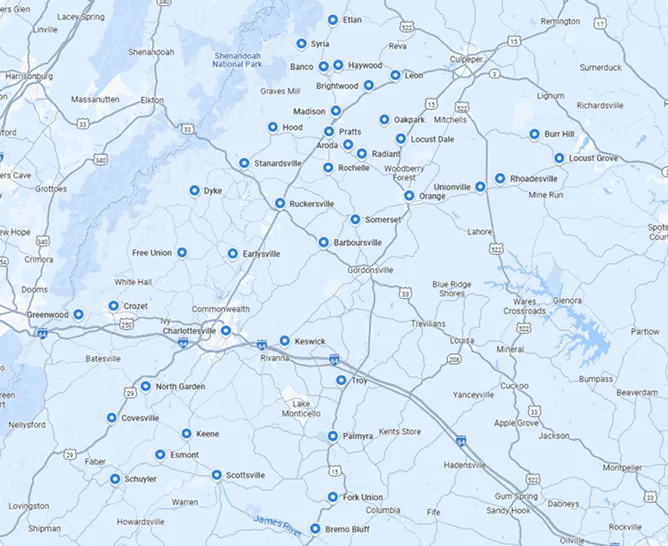
Service areas