

Choose an option to see quick actions and get help faster.
.svg)
HVAC Company in Charlottesville, VA
Discover top HVAC solutions tailored for Charlottesville's unique climate. Ensure comfort and efficiency with expert heating and cooling services.
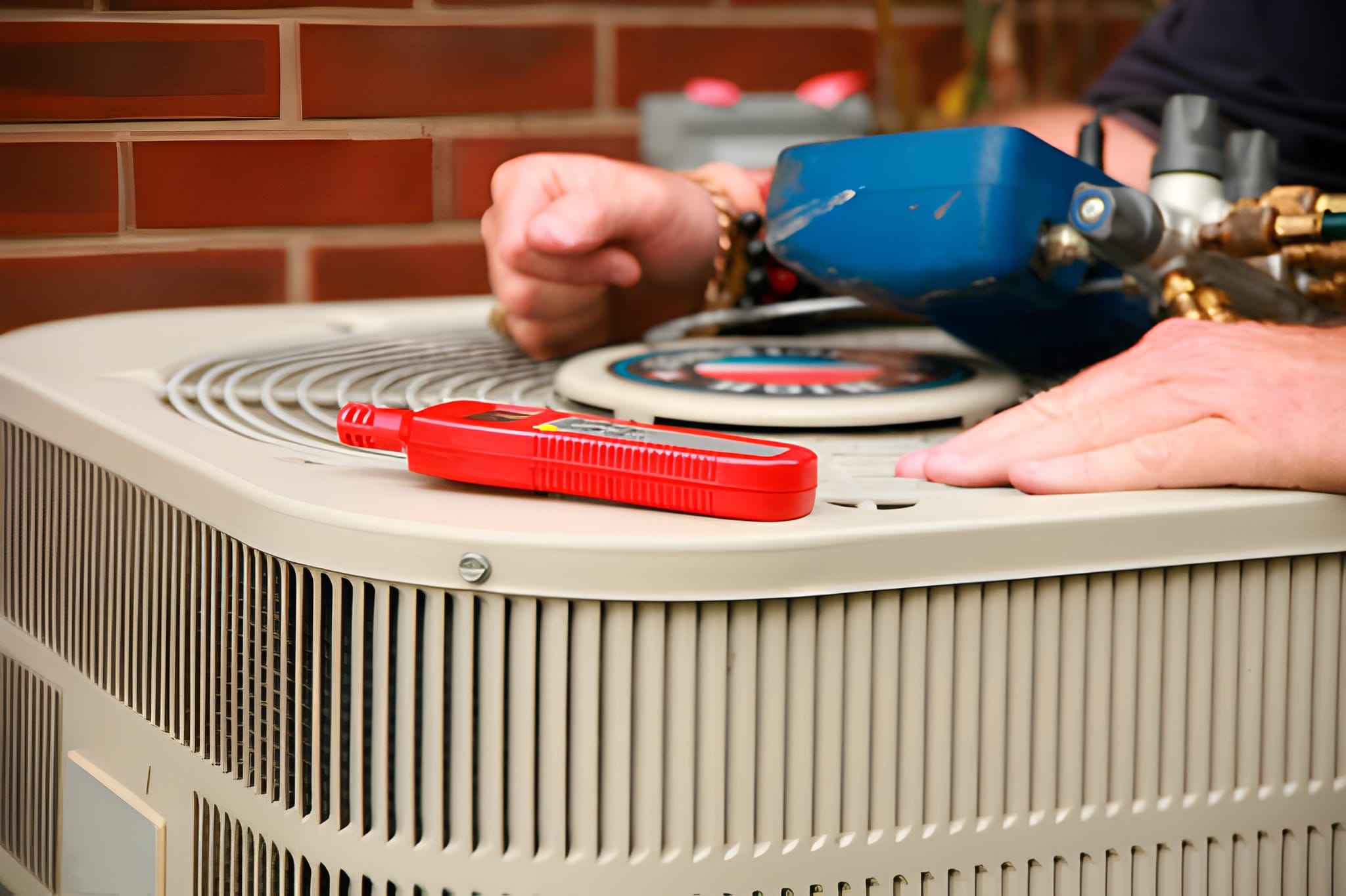
Keeping a comfortable, healthy home in Charlottesville means dealing with humid summers, chilly winters, and the quirks of older local construction. Air flow is a full-service residential HVAC provider serving Charlottesville, VA, that specializes in practical, long-term solutions: furnace and heating repairs and installations, air conditioning repair and replacement, heat pump and geothermal systems, mini-split installations, indoor air quality testing, and preventive maintenance plans. The common HVAC issues Charlestonville homeowners face, the services Air flow offers to resolve them, how our assessment-to-installation process works, and what to expect from financing, warranties, and preventive care so you can make an informed decision.
Why this matters for Charlottesville homes
- Summers in Charlottesville are hot and humid, which places heavy demand on air conditioners and can increase indoor humidity and mold risk if systems are undersized or not dehumidifying properly.
- Winters bring cold snaps and prolonged chilly periods that require reliable heating; many homes here have aging furnaces or inadequate insulation that make efficient heating a priority.
- Charlottesville has a mix of historic homes, newer construction, and properties with varied ductwork and envelope conditions. Problems like leaky ducts, undersized equipment, and poor airflow are common.
- Seasonal pollen and indoor allergens elevate the importance of indoor air quality solutions and tailored filtration.
Common HVAC problems in Charlottesville homes
- Weak airflow or uneven temperatures between rooms, often caused by duct leaks, poor system sizing, or blocked returns.
- Frequent short cycling of compressors or furnaces, which shortens equipment life and raises energy bills.
- High energy bills despite new equipment, typically the result of improper installation, poor insulation, or incorrect system sizing.
- Frequent breakdowns during peak summer or winter, often due to deferred maintenance or worn components.
- Excess indoor humidity and mold growth in basements, attics, or poorly ventilated spaces.
- Thermostat compatibility issues with newer smart systems or zoning requirements.
Comprehensive residential HVAC services offeredAir flow provides a full suite of residential heating and cooling services tailored to Charlottesville homes and climates. Each service is delivered by NATE-certified technicians and backed by the company guarantees and partners noted below.
Heating and furnace repair and installation
- Diagnostics and repair of all common furnace problems: ignition failures, heat exchanger issues, blower motor failures, pilot and gas valve faults, and safety lockouts.
- Furnace replacement and upgrade options that match your home load requirements and efficiency goals, including high-efficiency gas furnaces and modulating systems.
- Proper sizing based on Manual J load calculations and duct evaluations to prevent short cycling and ensure even heat distribution.
- Post-installation commissioning and safety testing to verify performance and compliance with local codes.
Air conditioning repair and installation
- Complete AC diagnostics for refrigerant issues, compressor malfunctions, capacitor and motor replacements, and airflow restrictions.
- Replacement options including high-efficiency condensing units paired with optimized indoor coils and matched system components.
- Focus on dehumidification performance as well as cooling capacity to maintain comfortable indoor humidity levels during Charlottesville summers.
- System startup and seasonal tune-ups to maximize efficiency and prolong equipment life.
Heat pumps and heat pump installation
- Repair and maintenance for air-source heat pumps, including reversing valve checks, defrost cycle optimization, and refrigerant checks.
- New heat pump options that provide efficient heating and cooling in one system, ideal for moderate winter climates or homes seeking to reduce fossil fuel reliance.
- Guidance on cold-climate heat pump technology where appropriate and integration with backup heat arrangements for very cold periods.
Geothermal systems
- Geothermal (ground-source) heating and cooling as an eco-friendly, high-efficiency alternative suited for Charlottesville properties with sufficient land for ground loops.
- Site evaluation, loop field design considerations, and closed-loop vs open-loop recommendations based on soil, yard space, and long-term energy goals.
- Lifecycle performance expectations and maintenance differences versus conventional HVAC systems.
Mini-split and ductless systems
- Ductless mini-splits for additions, historic homes without ductwork, or zoned comfort control where partial or whole-home duct retrofits are impractical.
- Multi-zone options that provide precise temperature control with high efficiency and minimal disruption during installation.
- Advice on head placement, sizing, and indoor air quality integration.
Indoor air quality testing and solutions
- Comprehensive IAQ assessments that measure particulate levels, humidity, VOCs, and ventilation rates.
- Solutions including high-efficiency filtration (MERV ratings appropriate for residences), UV germicidal lights, whole-home dehumidification, and mechanical ventilation strategies.
- Tailored recommendations for allergy sufferers, households with pets, or homes with mold susceptibility due to humidity or water intrusion.
Preventive maintenance plans
- Seasonal tune-ups and safety inspections to reduce emergency repairs and extend system lifespan.
- Priority scheduling and maintenance records that track performance, component wear, and recommended service intervals.
- Filter replacement, blower cleaning, refrigerant checks, combustion and CO testing, and system performance optimization as standard elements.
How Air flow diagnoses problems and designs solutions
- A technician conducts a thorough home assessment including Manual J load calculation, duct leakage testing when applicable, inspection of insulation and building envelope, and system performance checks.
- This step identifies mismatches between current equipment capacity and home needs, plus any airflow or distribution problems.
- After assessment, detailed options are presented with clear comparisons of efficiency, estimated operating costs, expected comfort improvements, and estimated timelines.
- Equipment recommendations are chosen to match actual home needs, not upsell higher capacity unnecessarily.
- Installations follow manufacturer specifications and industry best practices: proper refrigerant charge, duct sealing, airflow balancing, and electrical safety checks.
- Commissioning tests confirm system performance under load, and technicians document results for homeowner review.
- Post-installation inspections verify thermostat programming, zoning operation, and that expected efficiency and comfort levels are achieved.
- Preventive maintenance scheduling is recommended to sustain performance over time.
Credentials, guarantees, and reliability
- NATE Certified technicians: Technicians are certified by North American Technician Excellence, ensuring skilled, up-to-date diagnostic and installation practices.
- Energy Star partnership: Equipment recommendations and efficiency guidance reflect Energy Star standards and can help homeowners identify qualifying products and potential incentives.
- A+ BBB rating: The company maintains high standards of accountability and customer service as reflected in an A+ Better Business Bureau rating.
- 24/7 emergency service: Air flow provides emergency response for urgent heating and cooling failures that affect safety or habitability.
- Service guarantees: Installations and repairs come with workmanship verification and manufacturer-backed equipment warranties; specific warranty terms are documented for each project.
Financing options and cost considerations
- Multiple financing programs are available to make efficient replacements and major upgrades more accessible for homeowners.
- Factors that affect cost include system capacity, ductwork repairs or replacement, complexity of installation (e.g., retrofit vs new work), and any required electrical upgrades.
- Long-term savings should be considered: higher-efficiency equipment, properly sized systems, and sealed ducts reduce operating costs and may increase home resale value.
- Energy Star partnership allows Air flow to provide guidance on potential rebates, tax credits, or utility incentives that are commonly available for high-efficiency or renewable systems.
What installation and service visits look like
- Preparation: Technicians arrive with protective shoe covers and drop cloths to minimize disruption. A site walkthrough clarifies homeowner priorities and access points.
- Installation timeline: Typical replacements can be completed in one or two days depending on complexity. Geothermal and multi-zone mini-splits may require longer schedules.
- Disruption and cleanup: Technicians manage refrigerant handling, ductwork, and construction debris with industry-standard containment and full cleanup at project end.
- Final walkthrough: Homeowners receive an explanation of new controls, thermostat settings, and recommended maintenance intervals.
Preventive maintenance plan details and benefits
- Seasonal tune-ups usually include filter checks and replacement guidance, blower and coil cleaning, refrigerant level checks, electrical inspections, thermostat calibration, and safety checks for gas-fired equipment.
- Benefits of enrollment in a maintenance plan:
- Reduced emergency breakdowns and fewer costly repairs.
- Improved efficiency and lower monthly operating costs.
- Extended equipment life and maintained manufacturer warranty compliance.
- Priority scheduling and diagnostic records that simplify future service.
Energy efficiency and indoor air quality in Charlottesville-specific terms
- Summer humidity control: In Charlottesville, focusing on latent cooling (humidity removal) as well as sensible cooling is essential to avoid clammy, uncomfortable indoor conditions. Properly sized AC and well-maintained condensate drains are key.
- Winter efficiency: Cold spells require reliable heat delivery; upgrading to high-efficiency furnaces or heat pumps can reduce winter fuel consumption in homes with variable insulation levels.
- Filtration and pollen: High-efficiency filtration and controlled ventilation help reduce pollen and allergen loading that peaks seasonally in central Virginia.
- Mold prevention: Whole-home dehumidifiers and correct ventilation in basements, crawlspaces, and attics reduce mold risk in older Charlottesville homes.
Comparing system types for Charlottesville homeowners
- Gas furnace
- Pros: Strong performance in very cold conditions; familiar technology in many local homes.
- Cons: Fuel cost volatility and the need for combustion safety checks and venting.
- Air-source heat pump
- Pros: Efficient year-round heating and cooling, increasingly effective with cold-climate models.
- Cons: May require a backup heat source during extended extreme cold; performance varies by model.
- Geothermal system
- Pros: Excellent efficiency and stable performance, low operating costs, long equipment life.
- Cons: Higher upfront cost and installation complexity; best suited to properties with adequate space for ground loops.
- Mini-split/dedicated ductless systems
- Pros: Ideal for zoned comfort, additions, or homes without duct systems; high efficiency and minimal invasive work.
- Cons: Visibility of indoor heads and higher per-zone equipment cost relative to central systems.
Typical emergency scenarios and how they are handled
- No cooling on the hottest days: Diagnostics focus on refrigerant levels, compressor function, electrical components, and airflow restrictions. Temporary cooling strategies and expedited parts procurement may be required.
- No heat during cold weather: Immediate safety checks for gas furnaces and rapid diagnosis for failed ignitors, controls, or circulating systems to restore heat quickly.
- Water leaks and condensate overflow: Rapid containment, drain clearing, and indoor moisture mitigation to avoid structural damage and mold growth.
- Electrical failures and breaker trips: Electrical system assessments to determine root cause and safe restoration of power to HVAC equipment.
How to choose the right system for your home
- Match capacity to load, not to square footage alone. Manual J load calculations account for insulation, orientation, window area, and occupancy to pick the proper size.
- Consider long-term costs: higher upfront efficiency can translate into tangible savings over the equipment lifecycle in Charlottesville’s climate.
- Factor lifestyle and zoning needs: Do you need targeted comfort in bedrooms, additions, or older parts of the home? Mini-splits and zoning provide flexible control.
- Inspect ducts and envelope first: Sealing and insulating ducts and improving attic or wall insulation can reduce required capacity and improve comfort without immediately replacing major equipment.
What Air flow documents and guarantees with each project
- Written estimate outlining equipment, labor, timelines, and warranty information.
- Manufacturer warranty documentation and explanation of any workmanship guarantees.
- Maintenance plan recommendations and an explanation of how consistent service preserves warranty coverage and system performance.
- Documentation of any rebates or incentive-eligible equipment selected.
Service area and local expertise
- Air flow focuses on residential HVAC in Charlottesville, VA, understanding the unique combination of humid summers, cold winter periods, and architectural diversity that affects heating and cooling choices.
- Local code familiarity and permit handling ensure installations meet or exceed municipal requirements and inspection processes.
Common misconceptions and straightforward answers
- Replacing the thermostat will not fix an undersized system: Upgrading controls helps efficiency and comfort but cannot compensate for incorrect system capacity or duct issues.
- Higher SEER or AFUE ratings always save money: Only if the system is properly installed, correctly sized, and used in a home where envelope improvements and duct sealing are considered.
- Ductless systems are only for small spaces: Modern multi-zone mini-splits can handle whole-house applications but should be evaluated against distribution and aesthetic factors.
Maintenance checklist homeowners should expect
- Biannual inspection for split systems: pre-season cooling and heating tune-ups.
- Monthly filter checks in high-use seasons; upgrade filter efficiency if IAQ concerns exist but monitor system restriction levels.
- Annual safety inspection for gas furnaces including combustion analysis where applicable.
- Periodic duct inspections, sealing, and insulation where performance issues are present.
Q: How do I know whether to repair or replace my HVAC equipment?
A: Evaluate age, frequency and cost of repairs, energy performance, and comfort level. Systems older than 12 to 15 years often present diminishing returns with repeated repairs. A cost-benefit analysis that includes expected energy savings from new equipment and any local incentives will clarify the best path.
Q: What factors determine an accurate equipment estimate?
A: An accurate estimate is based on a Manual J load calculation, duct condition, electrical capacity, installation complexity, required permits, and any necessary envelope improvements discovered during assessment.
Q: Are there financing options available for major upgrades?
A: Yes, multiple financing programs can be structured to fit homeowner budgets. Financing makes higher-efficiency systems and renewable options more accessible while allowing energy savings to offset monthly payments.
Q: How often should I schedule preventive maintenance?
A: Biannual inspections are recommended: one for cooling in spring and one for heating in fall. Additional checks may be required for systems under heavy load or with known issues.
Q: Will a new high-efficiency system solve uneven temperature problems?
A: Not always. Uneven temperature often stems from duct leakage, poor zoning, or insufficient airflow. A holistic approach that includes duct assessment and proper balancing is typically needed.
Q: How does indoor humidity impact comfort in Charlottesville?
A: High humidity reduces comfort even at moderate temperatures and can cause mold growth. Addressing latent load with correct AC sizing, dehumidification, and ventilation strategies is crucial for local comfort.
Q: What should I expect on the day of installation?
A: Technicians will protect floors and furnishings, perform demolition of only necessary components, install equipment per manufacturer specifications, test and commission the system, and complete a final walkthrough explaining operation and maintenance.
Q: Are there energy incentives for geothermal or heat pump installations?
A: Incentives vary by time and location. Energy Star partnership enables guidance on potential rebates and utility programs, but homeowners should verify current offerings during assessment.
Q: How does Air flow maintain service quality and accountability?
A: With NATE-certified technicians, documented commissioning tests, manufacturer warranty adherence, and adherence to local code and safety standards, service quality is monitored and recorded for each job.
Our Service Process
A Hassle-Free Service Experience
01
Consultation & Diagnosis
We start by listening to your needs and performing a thorough diagnosis of your system to recommend the best solution.
02
Transparent Quoting
We provide a clear, upfront estimate with no hidden fees, so you know exactly what to expect.
03
Expert Service & Follow-Up
Our factory-trained technicians complete the work to the highest standards, and we follow up to ensure your complete satisfaction.
testimonials
What Our Customers Are Saying
Our customers consistently praise our exceptional service and attention to detail, making us a trusted choice for all your HVAC needs.
where we operate
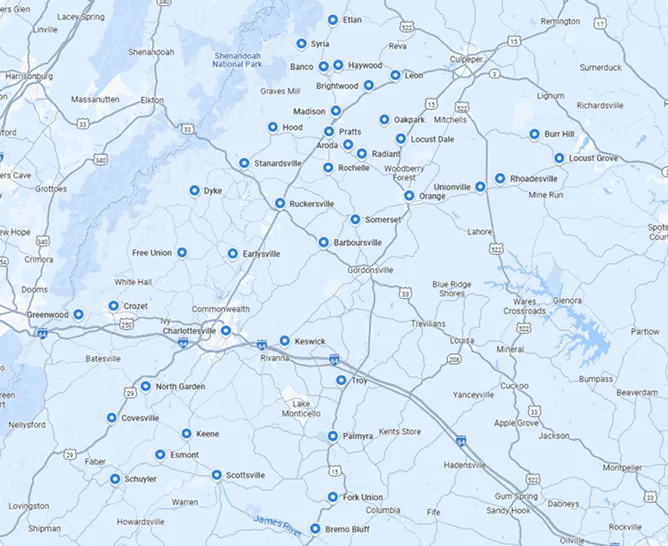
Service areas