

Choose an option to see quick actions and get help faster.
.svg)
HVAC Company in Hood, VA
Hood, VA HVAC service and repairs delivering energy-efficient solutions, 24/7 emergency support, and expert installation for local homes.
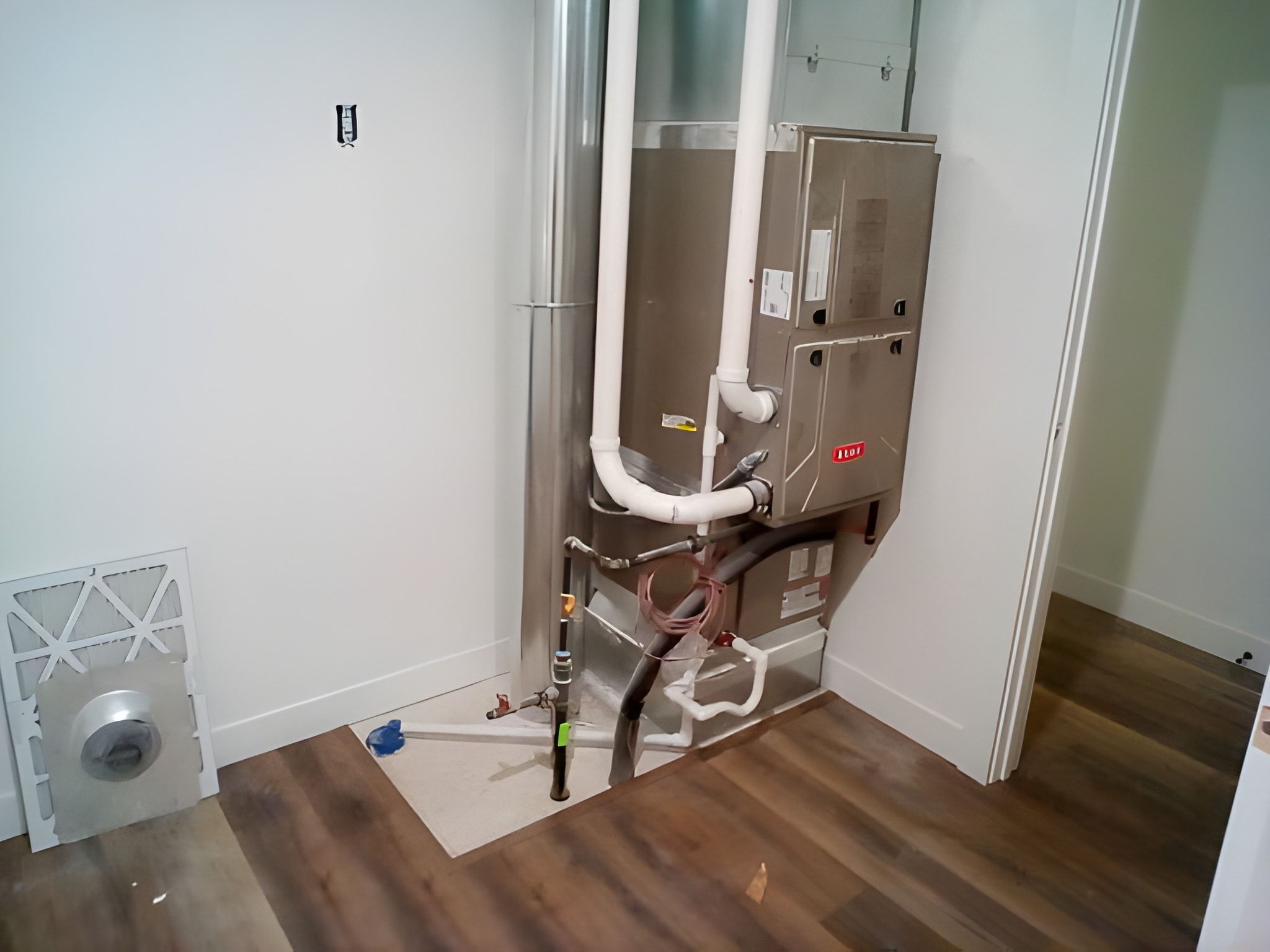
Keeping your home comfortable year-round in Hood, VA means choosing an HVAC partner that understands local weather patterns, home construction types, and the common equipment problems that affect Albemarle County and surrounding areas. Air flow provides full-service residential heating and cooling solutions for Hood homeowners, including furnace and heat pump repair and installation, AC repair and replacement, geothermal and mini-split systems, indoor air quality testing, home energy audits, and preventive maintenance plans. With NATE-certified technicians, Energy Star partnerships, 24/7 emergency response, warranty and financing options, and a clear service process, Air flow focuses on durable repairs, efficient installations, and measurable energy savings tailored to Hood, VA homes.
Why Hood, VA needs reliable HVAC service
Hood sits in a temperate but variable climate zone. Summers are warm and humid, creating heavy demand on air conditioning systems and increasing indoor moisture and mold risk. Winters can be chilly with occasional prolonged cold snaps that tax furnaces and heat pumps. Many Hood homes are older or have mixed construction and insulation levels, which makes accurate equipment sizing, duct evaluation, and energy audits especially valuable. Local pollen, seasonal humidity, and rural dust contribute to indoor air quality concerns that impact allergy sufferers and households with respiratory conditions. An HVAC company that understands these local factors helps homeowners make choices that lower operating costs, improve comfort, and protect indoor air quality.
Comprehensive HVAC services in Hood, VA
Air flow delivers the full range of residential HVAC services Hood homeowners search for when they are ready to repair, replace, or upgrade their systems:
- Furnace repair and installation (gas, oil, and electric systems)
- Heat pump repair and installation (air-source and ductless mini-splits)
- Air conditioner repair, maintenance, and replacement
- Geothermal system design, installation, and servicing
- Ductless mini-split systems for zoned comfort and additions
- Indoor air quality testing and solutions (filtration, humidification, dehumidification)
- Home energy audits and insulation/air-sealing recommendations
- Preventive maintenance plans with seasonal tune-ups
- 24/7 emergency HVAC response for urgent heating or cooling failures
- Warranty support and flexible financing options to help with upgrades
Each service is performed by NATE-certified technicians who follow manufacturer installation standards and Energy Star guidance for efficiency.
Common HVAC issues in Hood, VA homes (and how to spot them)
Recognizing symptoms early saves money and prevents mid-season failures. Here are the most common problems Air flow addresses in Hood, VA, with quick indicators for homeowners:
- Poor cooling performance in summer
- Symptoms: Warm rooms despite running AC, long run times, frequent cycling.
- Common causes: Low refrigerant, clogged condenser, failing compressor, dirty coils, or undersized system for the home.
- Uneven heating or cooling
- Symptoms: Some rooms are hot or cold compared with others.
- Common causes: Duct leaks, poor system zoning, blocked vents, or improper system sizing.
- High energy bills
- Symptoms: Seasonal spikes in electric or gas usage without major behavior changes.
- Common causes: Aging equipment with reduced efficiency, poor insulation and air leaks, failing thermostat, or clogged filters.
- Short cycling (system turns on and off quickly)
- Symptoms: Frequent on/off cycles, reduced comfort, extra wear.
- Common causes: Oversized equipment, faulty thermostat, safety switch trips, or refrigerant problems.
- Strange noises or odors
- Symptoms: Grinding, banging, hissing, or burning smells.
- Common causes: Motor bearing failure, loose components, refrigerant leaks, electrical issues, or an overheated motor.
- Frequent breakdowns or age-related failures
- Symptoms: Repeated repairs, unreliable performance.
- Common causes: Systems past typical lifespan (10–15 years for many units), deferred maintenance, or component wear.
- Poor indoor air quality and moisture problems
- Symptoms: Persistent allergies, condensation on windows, musty smells, visible mold.
- Common causes: High indoor humidity, inadequate filtration, dirty ducts, or poor ventilation.
Understanding these signs helps homeowners prioritize repairs or replacement and guides technicians when diagnosing problems.
How Air flow diagnoses HVAC problems in Hood, VA homes
A reliable repair starts with a systematic diagnosis to isolate the actual cause. Air flow technicians follow a consistent process so repairs are targeted and permanent:
- Visual inspection of indoor and outdoor units, ductwork, filters, and controls.
- Verification of homeowner symptoms, runtime patterns, and recent changes.
- Measure supply and return air temperatures, static pressure, and airflow.
- Check refrigerant pressures and temperatures on cooling systems.
- Test ignition, flame quality, and combustion safety on furnaces.
- Inspect electrical connections, motor amperage, and limit switches.
- Evaluate heat exchanger condition and CO risk where applicable.
- Test thermostat calibration and control circuits.
- Perform simple IAQ measurements (humidity, particulate estimates) or advanced testing if needed.
- Conduct a home energy walkthrough to locate insulation gaps, air leaks, and duct losses.
- Provide a written explanation of findings with repair options and replacement recommendations if needed.
- Explain tradeoffs between repair and replacement, expected efficiency gains, and warranty implications.
This methodical approach reduces unnecessary part swaps and ensures solutions match the root cause rather than just treating symptoms.
Furnace and heat pump repair and installation
Furnaces and heat pumps are foundational for Hood winters. Air flow focuses on safety, efficiency, and long-term performance.
- Furnace repair
- Typical repairs include ignition system fixes, heat exchanger inspections, blower motor replacements, control board troubleshooting, and flame sensor cleaning.
- Safety checks such as verifying proper venting and testing for carbon monoxide risk are standard on every furnace service.
- Furnace installation
- New installations begin with load calculations (Manual J) to ensure correct sizing. Oversized furnaces short cycle and waste fuel; undersized units struggle to maintain comfort.
- Installations include new venting as required, flue connections, and duct transitions, with a post-install startup, safety verification, and system balancing.
- Heat pump repair and installation
- Heat pumps are popular in Virginia because they provide both heating and cooling with high efficiency. Common repairs include reversing valve issues, compressor failures, and refrigerant leaks.
- For new heat pump installs, Air flow evaluates climate performance, backup heat needs, and electrical capacity. Ducted and ductless options are offered to match home layouts.
- Ductless mini-splits
- Ideal for additions, garages, or rooms without existing ductwork. Installations consider placement for unobtrusive design, line length limitations, and proper refrigerant charge for efficient operation.
Air conditioning repair and replacement
Because hot, humid summers are typical in Hood, reliable air conditioning is essential. Air flow technicians diagnose cooling problems precisely:
- Common AC repairs
- Compressor and capacitor replacement, refrigerant leak detection and recharge, condenser fan motor repair, and thermostat calibration.
- Replacement guidance
- Decisions to replace consider age, repair history, utility costs, and improvements in SEER efficiency. New systems are sized to match load requirements and often include airflow improvements and better filtration.
- Consideration for humidity control
- In humid summers, properly sized systems, variable-speed compressors, and dehumidification accessories help maintain comfort without overcooling the home.
Geothermal systems and energy-efficient options
Geothermal systems offer high efficiency and stable heating and cooling for many Virginia homes. Air flow evaluates soil conditions, yard space, and long-term energy goals:
- Benefits
- Lower operating costs, quieter performance, and long equipment lifespans.
- Strong suitability for homeowners focused on sustainability and predictable utility expenses.
- Considerations
- Upfront installation involves ground loop work that requires site evaluation, permitting, and coordination with the property layout.
- Air flow pairs geothermal designs with Energy Star recommendations and can provide comparative energy models for homeowner review.
Indoor air quality testing and solutions
Indoor air quality directly affects health and comfort, particularly in Hood where seasonal pollen, humidity, and rural particulates are common.
- Testing services
- Measurements include relative humidity, basic particulate assessments, and targeted testing for mold or volatile organic compounds when needed.
- Solutions
- High-efficiency filters (MERV-rated where appropriate), whole-home air purifiers, UV germicidal lights for coil protection, balanced humidification and dehumidification systems, and heat-recovery ventilators for controlled fresh air intake.
- Benefits for homes in Hood
- Improved allergy relief, reduced dust accumulation, better sleep quality, and prevention of mold growth in humid months.
Home energy audits and efficiency recommendations
A home energy audit quantifies where energy is lost and how HVAC upgrades or sealing can reduce costs and improve comfort.
- What an audit includes
- Visual inspection, blower door testing (if needed), thermal imaging to find insulation gaps, duct leakage assessment, and review of thermostat and control strategies.
- Typical recommendations for Hood homes
- Duct sealing and insulation, attic insulation upgrades, programmable or smart thermostat settings, replacing aging HVAC equipment with higher-efficiency models, and targeted air sealing around windows and doors.
- Real-world savings
- An audit helps prioritize improvements that produce the greatest return on investment by focusing on the most significant sources of heat loss and gain.
Preventive maintenance plans: protect comfort and lower lifetime costs
Routine maintenance reduces breakdowns and keeps systems running efficiently. Air flow’s maintenance plans are designed for Hood-area needs and seasonal cycles.
- Typical maintenance tasks
- Clean and inspect coils, check refrigerant level/pressures, lubricate motors, test safety controls, clean burners and heat exchangers, change filters, and measure airflow and system performance.
- Frequency and timing
- Cooling systems typically receive a spring tune-up; heating systems receive a fall tune-up. Homes with heavy use or specific air-quality concerns may benefit from additional visits.
- Benefits
- Fewer emergency repairs, lower energy usage, extended equipment life, preserved manufacturer warranties, and improved indoor air quality.
What to expect during a professional HVAC installation or major repair
Knowing what to expect reduces homeowner stress and ensures smooth project coordination for installations and major repairs.
- Scheduling and arrival
- Technicians arrive with needed tools and safety gear and review the planned scope with the homeowner before starting.
- Workspace protection and safety
- Technicians use floor protection, vacuum dust cleanup, and follow safe handling practices for refrigerants and electrical connections.
- Installation steps
- Remove old equipment safely, verify ductwork and electrical service, install new system per manufacturer specifications, charge refrigerant correctly, program controls, and perform system balancing.
- Commissioning and documentation
- A proper startup includes verifying system pressures, airflow, safety checks, thermostat calibration, and a walkthrough of homeowner controls and operating tips. Documentation of work, warranties, and recommended maintenance typically follows.
- Follow-up and long-term support
- Post-install follow-up ensures performance and verifies homeowner satisfaction. Warranty support is documented and explained.
Cost and financing considerations without surprises
Replacement and major repair decisions depend on system type, home characteristics, and long-term goals. Typical cost factors include:
- Equipment type and efficiency rating (SEER for cooling, AFUE for furnaces, HSPF for heat pumps)
- System capacity and complexity (single zone vs. multi-zone, ducted vs. ductless)
- Duct condition and required modifications
- Electrical upgrades or gas line work
- Permitting and local code requirements
- Accessibility and labor intensity of the installation
Air flow provides transparent estimates and options for warranty protection and financing to make upgrades manageable. Homeowners weigh immediate repair costs against long-term efficiency savings and reliability benefits when choosing replacement versus repair.
Maintenance and efficiency tips for Hood, VA homeowners
Small actions between professional visits help preserve comfort and efficiency:
- Replace or clean filters monthly to reduce strain on fans and equipment.
- Keep outdoor condenser units clear of debris, leaves, and overgrowing plants.
- Program thermostats to match occupancy and use a smart thermostat for seasonal optimization.
- Use ceiling fans to supplement cooling and allow for a slightly higher thermostat setting without sacrificing comfort.
- Seal gaps around doors, windows, and attic access to reduce heat transfer in winter and summer.
- Maintain proper attic and wall insulation levels older homes often benefit from targeted upgrades.
- Monitor indoor humidity: use dehumidifiers in the summer or humidifiers in winter to maintain comfortable levels between about 40 and 50 percent relative humidity.
These homeowner actions, combined with scheduled maintenance, produce the best results for year-round comfort and lower utility bills.
Why homeowners in Hood, VA rely on Air flow
Air flow brings decades of local HVAC experience combined with industry-recognized credentials:
- NATE-certified technicians who follow best-practice diagnostics and installation.
- Energy Star partnership and efficiency-oriented recommendations to lower operating costs.
- 24/7 emergency response capability for urgent heating and cooling failures.
- Warranty support and financing options to help make larger investments more manageable.
- Experience across traditional furnaces, modern heat pumps, geothermal systems, and targeted ductless solutions.
- Data-driven approach: load calculations, energy audits, and IAQ testing to ensure system choices match home needs.
Air flow blends practical, local knowledge with technical rigor to deliver solutions that last and perform in Hood’s climate and housing stock.
FAQ
Q: How do I know if my Hood, VA home needs a new HVAC system or just a repair?
A: If your system is more than 10 to 15 years old, requires frequent repairs, shows significant efficiency loss through rising utility bills, or cannot maintain comfortable temperatures, replacement is often more cost-effective. A thorough on-site assessment including load calculations and an inspection of major components will determine whether repair or replacement provides the best value.
Q: What are the advantages of installing a heat pump in Hood, VA?
A: Heat pumps provide both heating and cooling with high efficiency, reducing energy consumption in mild to moderate climates like Hood. Modern heat pumps perform well in Virginia winters and offer options for ducted or ductless installations, improving comfort and potentially lowering overall energy costs compared with older systems.
Q: Can a home energy audit reduce my heating and cooling costs?
A: Yes. An energy audit identifies insulation gaps, air leaks, duct losses, and inefficient appliances that contribute to higher energy use. Addressing the highest-impact issues such as sealing ducts and improving attic insulation often produces measurable energy savings and improves comfort.
Q: How often should I schedule HVAC maintenance for my Hood home?
A: For typical Hood homes, schedule a cooling tune-up in the spring and a heating tune-up in the fall. Homes with high occupancy, pets, or specific indoor air quality concerns may benefit from more frequent filter changes and interim checks.
Q: Are geothermal systems a good fit for properties in Hood, VA?
A: Geothermal systems can be an excellent fit if the property has adequate space for ground loop installation and if the homeowner is focused on long-term efficiency and stable operating costs. A site evaluation is necessary to determine feasibility and expected long-term savings.
Q: What indoor air quality improvements are most effective for local allergy sufferers?
A: Effective measures include installing higher-efficiency whole-home filters, using air purifiers with HEPA or equivalent filtration, controlling humidity levels, and ensuring ventilation to reduce indoor pollutant buildup. Duct cleaning and sealing can also reduce dust and allergen distribution through forced-air systems.
Q: How does Air flow ensure safety when working on gas furnaces in Hood homes?
A: Safety protocols include checking venting and combustion air, inspecting the heat exchanger for cracks, testing for carbon monoxide risk, verifying correct gas pressure and burner operation, and confirming proper electrical and control wiring. Any safety concern prompts immediate corrective action.
Q: What should I prepare for an HVAC installation or major repair visit?
A: Clear access to the indoor unit, outdoor condenser or heat pump, and thermostat area. Remove items that may block technician access and ensure pets are secured. The technician will handle dust control and cleanup as part of the service.
Q: Do I need permits for new HVAC installations in Hood, VA?
A: Permitting requirements vary by project scope and local code. Major system replacements, new heat pumps, or geothermal loop installations commonly require permits and inspections. Air flow includes permit coordination in its installation planning and follows all applicable codes.
Q: What financing and warranty options are typically available for replacement systems?
A: Financing options and manufacturer or labor warranties vary by system and provider. Typical possibilities include extended manufacturer warranties on major components and third-party financing programs to spread installation costs over time. Detailed options are provided during the proposal and estimate phase.
This detailed, locally informed summary outlines the full scope of residential HVAC services available to homeowners in Hood, VA. Air flow’s emphasis on precise diagnosis, certified technicians, energy-conscious solutions, and preventive care helps Hood families protect comfort, indoor air quality, and long-term system value.
Our Service Process
A Hassle-Free Service Experience
01
Consultation & Diagnosis
We start by listening to your needs and performing a thorough diagnosis of your system to recommend the best solution.
02
Transparent Quoting
We provide a clear, upfront estimate with no hidden fees, so you know exactly what to expect.
03
Expert Service & Follow-Up
Our factory-trained technicians complete the work to the highest standards, and we follow up to ensure your complete satisfaction.
testimonials
What Our Customers Are Saying
Our customers consistently praise our exceptional service and attention to detail, making us a trusted choice for all your HVAC needs.
where we operate
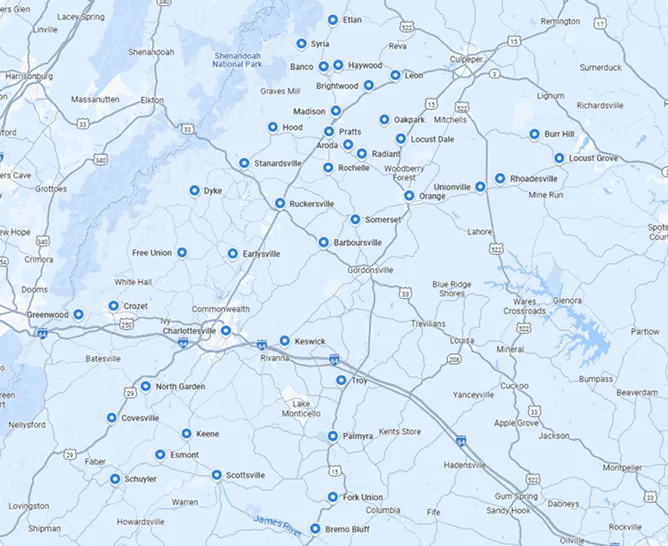
Service areas