

Choose an option to see quick actions and get help faster.
.svg)
HVAC Company in Troy, VA
Trusted HVAC services in Troy, VA for installation, repair, preventive maintenance, and air quality solutions. Learn more and schedule a consultation today.
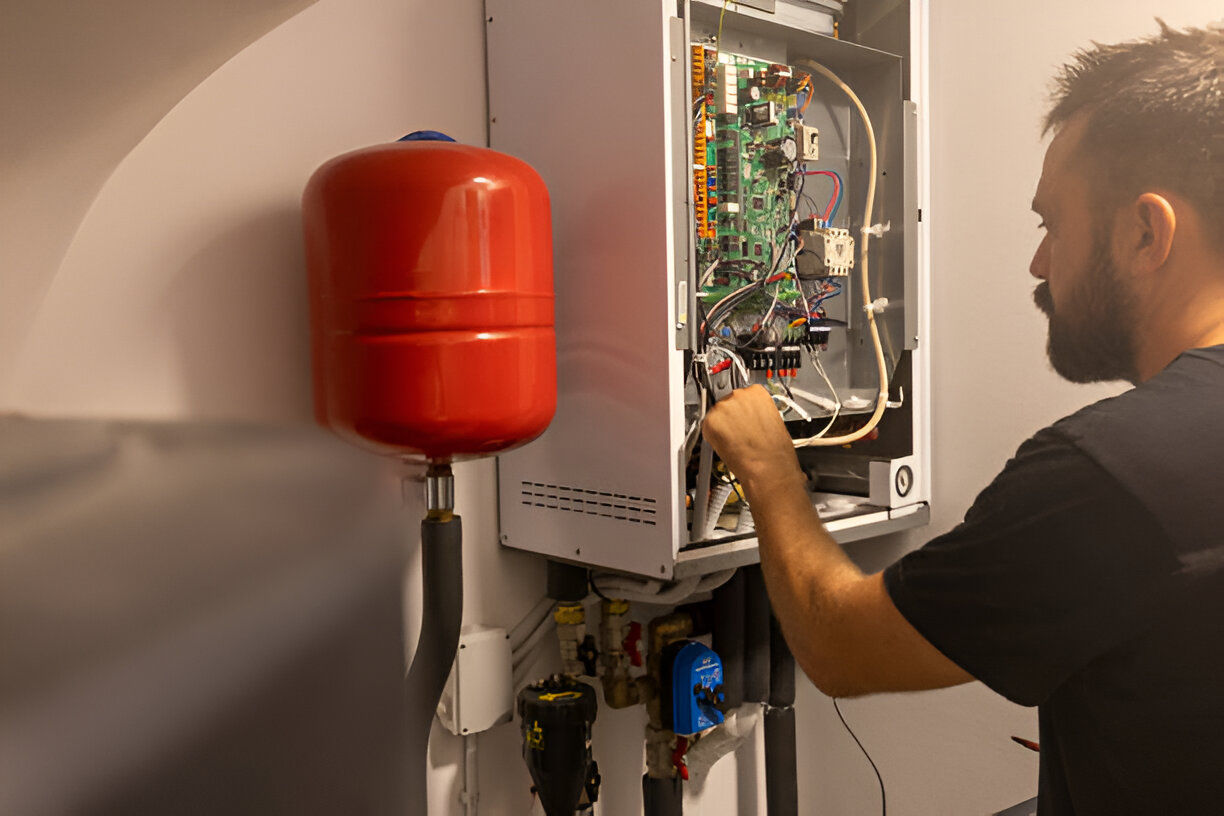
Living comfortably in Troy, VA means dealing with hot, humid summers and chilly winters that place real demands on home heating and cooling systems. Air flow provides comprehensive residential and light-commercial HVAC services in Troy, VA, built to solve urgent failures, improve year-round comfort, reduce energy waste, and extend equipment life. It describes the full range of services offered, common local HVAC problems, how we diagnose and fix issues, what to expect during installation or replacement, preventive maintenance options, indoor air quality and energy audit solutions, and the guarantees and financing choices available. The goal is to help Troy homeowners and small-business operators make confident, informed decisions about comfort systems.
Why HVAC expertise matters in Troy, VA
- Troy experiences humid summers that stress air conditioners and encourage mold and allergens indoors.
- Winters can bring extended heating cycles that reveal furnace or heat pump inefficiencies and aging ductwork problems.
- Many homes in the region are older and have mixed insulation, making sizing, ductwork, and zoning decisions critical for efficient performance. Air flow’s local knowledge means system recommendations and maintenance plans are tailored to these climate influences and building characteristics.
Common HVAC problems in Troy homes and light-commercial buildings Understanding common failure modes makes it easier to choose the right solution. Typical issues encountered in Troy, VA include:
- Weak cooling on hot, humid days, often caused by low refrigerant, failing compressors, clogged coils, or restricted airflow.
- Inconsistent heating during cold snaps due to worn ignition components, cracked heat exchangers, or poorly insulated duct runs.
- Short cycling of AC or heating systems driven by improper sizing, thermostat malfunction, or control board faults.
- Rising energy bills from inefficient equipment, leaky ducts, or outdated thermostats.
- Poor indoor air quality related to pollen, mold spores, pet dander, high indoor humidity, or inadequate ventilation.
- Outdoor unit corrosion and debris buildup from seasonal storms and vegetation growth.
- Mini-split or ductless system issues such as line set leaks, refrigerant imbalance, or valve problems.
- Heat pump performance loss in transition seasons when efficiency needs are highest.
Comprehensive services offered in Troy, VA Air flow covers the full spectrum of residential and light-commercial HVAC services. Each service is delivered by NATE-certified technicians and follows a clear, documented process.
- 24/7 emergency repair response for urgent failures that affect health, safety, or property.
- Diagnosis of electrical control faults, compressor issues, refrigerant leaks, airflow obstructions, thermostat errors, and more.
- On-site repair of furnaces, heat pumps, air conditioners, mini-splits, and geothermal components.
- Temporary measures and safety shutoffs provided when needed to protect occupants.
Signs you need repair
- No cooling or heating when the system runs.
- Unusual noises such as banging, grinding, or hissing.
- Rapid on/off cycling.
- Sudden spike in utility bills.
- Odors of burning, gas, or mildew.
- Full-service replacement options for aging or irreparably damaged systems: central AC, furnaces, heat pumps, ductless mini-splits, and geothermal solutions.
- Load calculations based on home size, insulation levels, window orientation, and occupancy to ensure correct equipment sizing.
- Up-to-code installations, including proper refrigerant charge, electrical connections, duct modifications, and combustion safety checking.
- Equipment options that prioritize efficiency, comfort, and long-term reliability.
When to consider replacement
- Equipment older than its expected service life and frequently requiring repairs.
- Systems that cannot maintain set temperatures without excessive runtime.
- High energy bills that persist after basic maintenance.
- Desire to upgrade to more efficient or eco-friendly technology, including geothermal or high-efficiency heat pumps.
- Design and installation of single- and multi-zone mini-split systems for addition rooms, home offices, historic homes, and spaces without ductwork.
- Benefits include zoned comfort control, high efficiency, and minimal disruption during installation.
- Troubleshooting and repairs for line sets, indoor units, condensate drains, and controls.
- Evaluation and installation of closed-loop geothermal heat pump systems for homes seeking long-term energy savings and environmental benefits.
- Site feasibility assessment that considers yard space, soil conditions, and long-term ownership goals.
- Routine maintenance and diagnostic services tailored to ground-source systems.
- Scheduled seasonal tune-ups for both heating and cooling systems to restore efficiency and prevent breakdowns.
- Typical tune-up tasks include cleaning coils, inspecting and tightening electrical connections, checking refrigerant levels, lubricating moving parts, testing safety controls, and measuring airflow.
- Tiered maintenance plans offering priority service, discounts on repairs, documented inspection reports, and seasonal reminders.
Benefits of a maintenance plan
- Reduced likelihood of mid-season failures.
- Better system efficiency and lower operating costs.
- Longer equipment life and documented service history for warranty purposes.
- Faster diagnostic response when problems arise.
- Diagnostic testing to identify common IAQ issues in Troy homes: particulate counts, humidity levels, ventilation effectiveness, and allergen sources.
- Solutions include high-efficiency filtration (MERV-rated or HEPA where compatible), UV germicidal lights for coil and mold control, whole-home dehumidification, energy recovery ventilators (ERVs) for balanced ventilation, and targeted air purifiers.
- Recommendations that balance filtration performance with system airflow and energy use.
Local IAQ considerations for Troy residents
- High outdoor pollen and seasonal mold can enter homes if intake and filtration are insufficient.
- Humidity control is critical to suppress mold growth during summer months.
- Older homes often benefit from targeted ventilation and duct cleaning to reduce accumulated dust and allergens.
- Assessment of thermostat compatibility with existing HVAC systems, including heat pumps, multi-stage equipment, and zoning.
- Installation and configuration of smart thermostats to optimize comfort schedules, humidity control, and remote monitoring.
- Guidance on energy-saving schedules while maintaining comfort and equipment longevity.
Smart thermostat advantages
- Better temperature control and programmable schedules.
- Remote diagnostics that can help identify performance trends early.
- Integration with home automation systems for zoned and occupancy-based control.
- Comprehensive audits that include a visual inspection, HVAC performance checks, duct leakage testing when indicated, blower door testing (where applicable), and thermal imaging to identify insulation gaps.
- Audit results form the basis for prioritized improvement plans: sealing ducts, insulating attics, upgrading equipment, or adjusting system controls to improve efficiency and comfort.
- Post-audit recommendations include anticipated energy savings and payback considerations for upgrades.
How our diagnostic and service process works Air flow applies a consistent, transparent process on every project to ensure predictable results.
- On-site evaluation of the building, existing equipment, comfort patterns, and system history.
- Load calculations and airflow measurements when planning replacements or major repairs.
- Indoor air quality testing if symptoms or homeowner concerns indicate a need.
- A written estimate that outlines recommended options, system specifications, warranty coverage, and a clear scope of work.
- Cost comparisons between repair and replacement where applicable, including energy-efficiency trade-offs.
- Financing options and warranty descriptions presented in straightforward terms.
- Work performed by NATE-certified technicians trained to industry best practices.
- Use of manufacturer-recommended components, proper refrigerant handling, accurate electrical and control wiring, and careful duct transitions and insulation.
- Adherence to local codes and safety standards.
- Post-installation or repair testing that includes airflow balancing, refrigerant charge verification, combustion and venting safety checks for combustion systems, thermostat calibration, and system run-throughs in multiple modes.
- Customer-facing demonstration of system operation and basic maintenance items to watch for.
- A written service record and recommended maintenance schedule.
- Clear warranty documentation and assistance in registering equipment warranties with manufacturers.
- Enrollment options for preventive maintenance plans to maintain performance.
Technician qualifications and quality assurance
- Air flow’s technicians are NATE-certified, which indicates formal training and verified skills in HVAC systems.
- Ongoing in-house training keeps technicians current with new refrigerants, variable-speed systems, geothermal standards, and smart controls.
- Quality assurance includes supervisory inspections on major installations and detailed post-job checklists to confirm workmanship and performance.
Warranties and financing options
- Equipment warranties: new systems include manufacturer warranties on major components and compressors or heat exchangers. Air flow provides guidance on registering warranties and clarifies what is covered.
- Service warranties: repairs and installation work are supported by workmanship guarantees to ensure proper function after completion.
- Financing options: flexible payment solutions are available for qualifying projects to spread investment over time. Financing is presented clearly so homeowners can compare options without pressure.
Preventive maintenance checklist for Troy homeowners Regular homeowner actions reduce emergency calls and extend system life. Recommended tasks include:
- Replace or clean filters every 1 to 3 months depending on filter type and household conditions.
- Keep outdoor condenser units clear of debris, shrubs, and leaves to maintain airflow.
- Check and clear condensate drains to avoid water damage and humidity problems.
- Inspect visible ductwork in basements and crawlspaces for obvious gaps or unsecured joints.
- Monitor thermostat settings and battery status on programmable devices.
- Note any unusual sounds, odors, or performance changes and record their timing for technician diagnostics.
Seasonal checklist for professional tune-ups
- Spring cooling inspection: clean coils, check refrigerant charge, inspect fans, verify thermostat calibration.
- Fall heating inspection: inspect burners or heat pump operation, test safety controls, clean filters and combustion areas, confirm adequate airflow.
- Mid-season humidity and ventilation checks, particularly during humid summers or transition seasons.
Safety and energy considerations unique to Troy
- Humidity control is a priority to prevent mold growth during summertime; whole-home dehumidification should be considered for homes with persistent dampness.
- Proper sizing of equipment is crucial given the mix of older and newer construction in the area; oversizing leads to short cycling and poor humidity control.
- Efficient heat pumps have become a practical option for many Troy homes due to improved low-temperature performance and lower operating costs compared to older fossil-fuel systems.
FAQ
Q: How do I know whether to repair or replace my HVAC system?
A: Consider repair when the issue is isolated and the system is relatively recent with low overall repair history. Replacement is typically more cost-effective when the system has reached the end of its expected life, requires frequent repairs, cannot maintain comfort, or when energy bills remain high despite maintenance. A professional assessment provides a clear comparison of repair costs, expected remaining life, and efficiency gains from a new system.
Q: What is included in a seasonal tune-up?
A: A seasonal tune-up generally includes cleaning coils and burners, checking and tightening electrical connections, measuring airflow, testing refrigerant levels, changing filters if needed, lubricating motors, and verifying thermostats and safety controls. The exact tasks depend on the type of equipment and manufacturer recommendations.
Q: Are mini-split systems good for older homes in Troy?
A: Yes. Mini-split systems are ideal for older homes with limited or no ductwork, additions, or spaces where extending ductwork would be invasive. They offer zoned control and high efficiency, but proper sizing and placement are important to ensure even comfort and efficient operation.
Q: What indoor air quality improvements help most in a humid climate?
A: Whole-home dehumidifiers, properly sized filtration, and balanced ventilation (such as ERVs) address humidity-driven mold and allergen problems. UV lights at the coil and drain pan can reduce microbial growth. Filtration upgrades reduce pollen and particulates common to the region.
Q: How long does a typical system installation take?
A: Installation times vary by system type and scope. A straightforward split-system AC or furnace replacement in a single-family home typically takes one to two days. Geothermal installations and large system changeouts can take several days to a week depending on ground-loop work, permitting, and site conditions.
Q: What should I expect during an energy audit?
A: Expect a detailed inspection that looks at insulation levels, duct integrity, HVAC efficiency, thermostat settings, and air leakage points. Tests might include visual inspections, blower door testing, duct leakage testing, and thermal imaging. The audit report prioritizes improvements and estimates potential energy savings.
Q: Are your technicians certified?
A: Air flow’s technicians hold NATE certification and complete ongoing training to stay current with evolving HVAC technology and safety standards.
Q: What warranty and financing options are available?
A: New equipment typically includes manufacturer warranties on major components. Air flow also provides workmanship guarantees on installations. Financing options are structured to provide monthly payment alternatives for qualifying projects. Specific terms are outlined with estimates to help homeowners evaluate choices.
Our Service Process
A Hassle-Free Service Experience
01
Consultation & Diagnosis
We start by listening to your needs and performing a thorough diagnosis of your system to recommend the best solution.
02
Transparent Quoting
We provide a clear, upfront estimate with no hidden fees, so you know exactly what to expect.
03
Expert Service & Follow-Up
Our factory-trained technicians complete the work to the highest standards, and we follow up to ensure your complete satisfaction.
testimonials
What Our Customers Are Saying
Our customers consistently praise our exceptional service and attention to detail, making us a trusted choice for all your HVAC needs.
where we operate
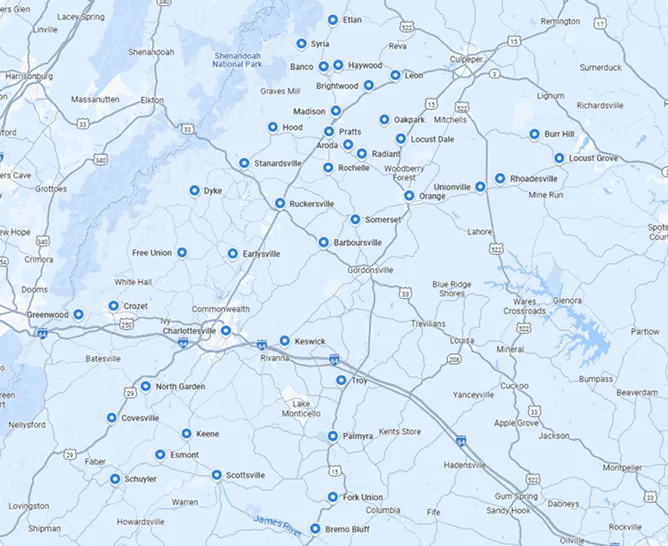
Service areas