

Choose an option to see quick actions and get help faster.
.svg)
HVAC Company in Syria, VA
Professional HVAC service in Syria, VA offering repairs, upgrades, and energy efficiency solutions with transparent pricing. Learn more today.
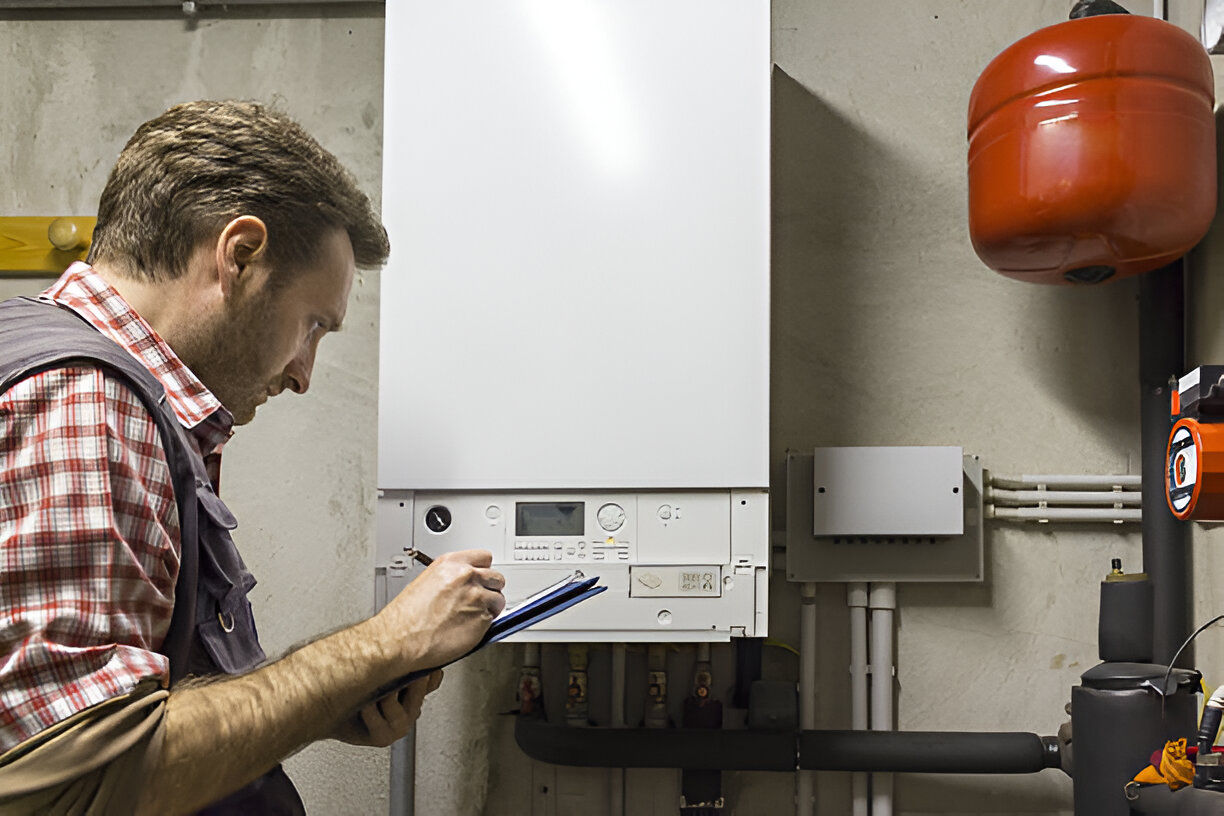
Keeping your home comfortable year round in Syria, VA requires more than a one-size-fits-all approach. Air flow delivers comprehensive residential heating and cooling solutions designed for the region’s humid summers, cold winters, and the seasonal effect of nearby ridges and valleys on system performance. It exactly how professional HVAC service works in Syria, VA, what common problems look like, and why choosing a certified local partner matters when you are deciding between repair, replacement, or an upgrade like geothermal or mini-split systems.
Why targeted HVAC service matters in Syria, VA
Syria’s climate places specific demands on home HVAC systems. Hot, humid summers drive higher air conditioning loads and increase indoor humidity, which affects comfort and can contribute to mold and dust-mite growth. Winters in central Virginia can include extended cold snaps and freeze-thaw cycles that stress combustion equipment and heat pumps. Additionally, many Syria homes have older ductwork, varied insulation levels, or mixed heating systems that require tailored solutions. A localized approach from Air flow considers these factors when diagnosing problems, sizing equipment, and recommending long-term strategies that balance comfort, health, and energy efficiency.
Common HVAC issues in Syria, VA homes
Homeowners in Syria typically face a few predictable problems. Understanding these helps you make an informed decision at the point of service.
- Air conditioner short cycling or inadequate cooling
- Often caused by low refrigerant, restricted airflow, or a failing compressor. In humid months, poor dehumidification may indicate improper sizing or refrigerant issues.
- Furnace failure, uneven heating, or frequent cycling
- Common causes include dirty burners, cracked heat exchangers, failed ignition systems, or aging components that lose efficiency.
- Heat pump performance drops in winter
- Loss of capacity, noisy operation, or repeated defrost cycles often stem from refrigerant imbalance, control issues, or low system charge.
- High energy bills with no obvious reason
- Leaky ducts, aging equipment, poor insulation, or an improperly sized system can drive up costs.
- Poor indoor air quality (IAQ): dust, allergens, or stale air
- In a region with seasonal pollen and humidity, filtration, ventilation, and humidity control become essential.
- Short equipment lifespan or frequent repairs
- Lack of routine maintenance is a primary cause of premature failure.
- Zoning problems and inconsistent room temperatures
- Duct design, balancing, or outdated zoning controls can leave some rooms too hot or cold.
Types of residential HVAC services offered
Air flow provides a full suite of residential services tailored for Syria, VA homes, from emergency repairs to whole-home upgrades.
- Emergency repairs (24/7)
- AC repair and system diagnostics
- Furnace repair and replacement
- Heat pump repair and installation
- Mini-split and ductless system supply and installation
- Geothermal system design and installation
- Seasonal maintenance plans and tune-ups
- Indoor air quality testing and solutions (filters, UV, humidifiers/dehumidifiers, ventilation)
- Home energy audits and efficiency upgrades
- System replacement and professional installation
- Financing options and manufacturer warranty coordination
- NATE-certified technician service and Energy Star product guidance
How Air flow diagnoses problems: a methodical, transparent process
When you have an existing problem or are evaluating a replacement, a thorough diagnostic process prevents unnecessary repairs and ensures the best outcome. Here is what a typical assessment includes.
- Initial interview and symptom review
- Technicians gather history: when the problem started, recent changes, thermostat settings, and any error codes.
- Visual inspection of outdoor and indoor units
- Check for physical damage, corrosion, debris blocking intake or condensers, and proper clearances.
- Electrical safety and control checks
- Measure voltages, inspect fuses and breakers, and verify control board operation and wiring integrity.
- Refrigerant and compressor performance tests
- Check refrigerant charge, pressure readings, and compressor operating temperatures to find leaks or undercharge issues.
- Airflow measurement and duct inspection
- Measure supply and return airflow, inspect duct joints for leaks, and look for blockages or poorly insulated runs.
- Heat exchanger and combustion safety checks (for gas furnaces)
- Examine burners, heat exchanger integrity, venting and flue performance to prevent carbon monoxide risks.
- Thermostat calibration and zoning verification
- Verify accurate temperature sensing and that zoning dampers and controls are operating as intended.
- Indoor air quality assessment
- Measure relative humidity, particle counts when appropriate, and inspect filters and ventilation pathways.
- Load calculation for replacements
- Perform Manual J/Manual D calculations to determine the correct system size and duct needs instead of relying on rule-of-thumb sizing.
This structured approach minimizes surprises and helps homeowners choose the most cost-effective path: repair, retrofit, or full replacement.
Repair versus replacement: making the decision
Deciding whether to repair or replace an HVAC system requires weighing multiple factors. Air flow’s assessments are designed to give you the objective information needed to make a sensible decision.
When repair may be the right choice:
- The issue is isolated and repairable (for example, a failed capacitor or a leaking condensate line).
- The system is relatively new (typical recommendation: under 10 years for AC; under 15 years for furnaces) and otherwise in good condition.
- Repair cost is a modest percentage of replacement cost and will restore reliable performance.
- You plan to address other home efficiency issues first and postpone replacement.
When replacement is often recommended:
- The system has recurring, expensive failures or requires frequent emergency repairs.
- Overall efficiency is low and replacement would significantly reduce energy use and costs.
- The unit is poorly sized, undersized, or oversized for the home and causes comfort issues.
- Newer technologies (high-efficiency heat pump, geothermal, or properly installed mini-splits) provide lifetime energy savings and better humidity control, especially valuable in Syria’s climate.
Air flow can quantify potential energy savings and lifecycle costs so you can choose with confidence.
Modern system options that make sense in Syria, VA
- High-efficiency central air conditioners and furnaces
- Upgrading to ENERGY STAR-rated equipment reduces operating costs, improves comfort, and often pairs with manufacturer warranties and financing options.
- Heat pumps and cold-climate heat pumps
- Modern heat pumps perform well in central Virginia winters and provide both heating and cooling with improved efficiency.
- Geothermal systems
- Geothermal heat pumps use stable ground temperatures for highly efficient heating and cooling. They are an excellent long-term investment for homeowners planning to stay in their home for many years and seeking low operating costs and minimal outdoor equipment footprint.
- Mini-split and ductless systems
- Ideal for additions, zone control, or homes without ducts. Ductless systems provide efficient localized comfort and are an effective solution for hot, humid summers when targeted dehumidification and cooling are needed.
- Whole-home ventilation and advanced IAQ solutions
- Energy recovery ventilators (ERVs) or heat recovery ventilators (HRVs), high-efficiency filtration, UV germicidal lights, and whole-home dehumidification systems address air quality issues tied to pollen, humidity, and household contaminants.
Each option includes trade-offs in upfront cost, efficiency, and installation complexity. Air flow’s assessments provide the data to match technology to your home’s needs.
The step-by-step service process
Air flow follows a consistent, transparent service workflow so homeowners know what to expect from initial assessment through follow-up care.
- Gather details about symptoms, system age, and any recent work.
- Full inspection and performance testing including airflow, refrigerant pressures, electrical, and safety checks.
- Provide a clear breakdown of repair costs versus replacement scenarios with estimated efficiency and lifetime comparisons; financing and warranty options are summarized when applicable.
- Coordinate installation timing and required permits, and review product warranties and expected timelines.
- Trained technicians perform work per industry best practices and manufacturer specifications, including proper refrigerant handling, duct sealing, and condensate drain routing.
- Confirm correct refrigerant charge, electrical parameters, airflow balancing, thermostat programming, and performance under load.
- Explain controls, maintenance basics, filter selection, and what to expect in the first 30 days of operation.
- Post-installation check and discussion of recommended seasonal maintenance plan or specific IAQ measures for continued efficiency and comfort.
This process prioritizes safety, efficiency, and long-term performance rather than quick fixes.
Seasonal maintenance plans: prevention that pays off
Preventive maintenance is one of the most cost-effective ways to extend equipment life, maintain efficiency, and reduce emergency repairs.
A typical maintenance plan includes:
- Bi-annual tune-ups (spring for cooling, fall for heating)
- Inspection and cleaning of condensers, coils, and burners
- Refrigerant level checks and leak detection
- Electrical and control tightening and testing
- Filter checks and recommendations for MERV-level replacements appropriate for your home
- Safety control testing and heat exchanger inspection
- Lubrication of moving parts and belt inspection
- Duct inspection and basic sealing where accessible
- Seasonal performance report and priority scheduling for breakdowns
Homeowners in Syria will find that ongoing maintenance helps systems better handle humid summers and colder winters, reducing the likelihood of mid-season failures when service demand is highest.
Indoor air quality and home energy audits: comfort, health, and savings
In Syria, seasonal pollen, humidity, and occasional smoke or dust can aggravate allergies and reduce indoor comfort. Air flow offers targeted IAQ testing and home energy audits to identify underlying causes and practical solutions.
Home energy audit elements:
- Blower door testing to identify air leakage points
- Thermal imaging to find insulation gaps or thermal bridges
- Duct leakage testing and repair recommendations
- Assessment of thermostat settings, zoning, and system sizing
- Recommendations for insulation, weatherization, and targeted HVAC upgrades that offer the best return
Indoor air quality testing and solutions:
- Particle counts and VOC spot tests when indicated
- Relative humidity measurement and dehumidification strategies for basements and crawlspaces
- Filtration upgrades (media filters, HEPA, or higher MERV levels) and proper filter replacement cadence
- Ventilation improvements with ERV/HRV systems to balance fresh air and energy efficiency
- Point-of-use and whole-home solutions such as UV lights, humidifiers, and air scrubbers
When IAQ improvements are aligned with energy-saving measures, homeowners often see both comfort and operating-cost benefits.
Certifications, partnerships, financing, and warranties
Quality of workmanship and product support are critical at the decision stage. Air flow’s team includes NATE-certified technicians who follow manufacturer installation guidelines and industry best practices. Alignment with ENERGY STAR product standards helps identify systems with verified efficiency. Financing options and coordination with manufacturer warranties are available to structure an investment that fits a homeowner’s timeline and budget preferences. Warranty management and paperwork assistance are part of the professional installation process to protect your investment.
What to expect after service: reliability and long-term care
Post-service care focuses on performance verification and helping homeowners maintain the installed system for maximum efficiency and longevity. Typical post-installation practices include:
- Performance validation under real operating conditions
- Written maintenance recommendations and seasonal checklists
- Clear documentation of system specifications, filter types, and warranty terms
- Scheduling options for routine tune-ups and safety checks
- Follow-up visits to ensure new equipment meets expected comfort and energy targets
These practices turn a one-time installation into a long-term relationship that keeps your home comfortable and systems reliable.
Why local experience matters: regional considerations for Syria, VA
Local climate patterns, building styles, and community resources shape HVAC decisions. Syria’s position in central Virginia means:
- Higher summer humidity emphasizes systems that manage moisture as well as temperature.
- Cold snaps require reliable heating sources and properly maintained combustion equipment to ensure safety and efficiency.
- Older homes may have original ductwork or limited insulation requiring duct sealing and targeted upgrades.
- Proximity to ridgelines and valleys can affect airflow and sun exposure, influencing system siting and thermostat placement.
Air flow brings local field experience to those nuances, pairing industry standards with practical, site-specific solutions.
Transparency and documentation: evidence-based decisions
For homeowners at the decision stage, documentation is essential. Air flow provides:
- Written estimates that clearly separate parts, labor, and any additional recommended work
- Load calculation reports and equipment sizing documentation
- Before-and-after performance data when installing or retrofitting systems
- Maintenance logs and recommended schedules for future service
- Warranty paperwork and orientation materials for homeowner reference
This transparency helps you compare options objectively and verify value and projected savings.
FAQs
Q: How do I know if my air conditioner needs repair or replacement?
A: Look for signs like frequent breakdowns, age over 12 years, rising energy bills, poor humidity control, or inconsistent cooling. A targeted diagnostic that includes refrigerant checks, airflow measurements, and load calculations determines if a repair will restore reliable performance or if replacement provides better long-term value.
Q: Are mini-split systems a good option for older homes without ducts?
A: Yes. Mini-splits provide efficient zone-based heating and cooling without ductwork. They are especially useful for additions, finished basements, or rooms where extending ducts is impractical. Proper sizing and professional installation ensure balanced comfort and efficient dehumidification in humid summers.
Q: How often should I schedule maintenance for my HVAC system?
A: Bi-annual maintenance is recommended: once before cooling season and once before heating season. Regular tune-ups include cleaning coils, checking refrigerant, inspecting electrical components, and ensuring safe operation. This preventative care reduces emergency repairs and extends equipment life.
Q: What is a home energy audit and will it reduce my bills?
A: A home energy audit identifies where your home is losing energy through air leaks, poor insulation, or inefficient systems. Tests such as blower door and thermal imaging pinpoint improvements. While some upgrades require upfront investment, many audit-driven measures result in measurable reductions in heating and cooling costs over time.
Q: Is geothermal a practical option for homes in Syria, VA?
A: Geothermal is practical for homeowners seeking high efficiency and long-term savings who have the yard space and intend to stay in the home long term. Geothermal systems can deliver significant operating-cost reductions, but they have higher upfront installation complexity. Site evaluation determines feasibility and expected performance in central Virginia soils and conditions.
Q: What certifications should I look for in an HVAC technician?
A: NATE certification indicates that technicians have industry-recognized training and testing. Experience with ENERGY STAR products, manufacturer-specific certifications, and documented field experience in similar local homes are also important markers of competence.
Q: Can upgrading my thermostat help lower my energy use?
A: Upgrading to a programmable or smart thermostat can improve comfort and reduce wasted runtime by allowing tailored schedules, remote control, and compatibility with zoning and multi-stage systems. Proper thermostat placement and calibration are essential to capture the expected savings.
Q: How do indoor air quality improvements impact allergies and comfort?
A: Improving IAQ with proper filtration, ventilation, and humidity control reduces airborne particles, allergens, and excess moisture that contribute to mold and dust mites. Results include fewer allergy symptoms, better perceived comfort, and often reduced cleaning frequency.
Q: Does it make sense to repair a heating system that is 15 years old?
A: It depends on the nature and cost of the repair, the system’s overall condition, efficiency, and long-term plans for the home. For systems around 15 years old, replacement is often recommended if repairs are significant or if the system has a history of recurring issues; a professional assessment should quantify the trade-offs.
Q: What should I expect from an emergency HVAC repair service?
A: Emergency service includes rapid response to restore safe operation, isolate hazards, and perform temporary or permanent repairs as needed. For safety-related failures, such as combustion or electrical issues, technicians prioritize securing the system and scheduling comprehensive repairs. Documentation of the emergency work and recommendations for long-term solutions are provided afterward.
Our Service Process
A Hassle-Free Service Experience
01
Consultation & Diagnosis
We start by listening to your needs and performing a thorough diagnosis of your system to recommend the best solution.
02
Transparent Quoting
We provide a clear, upfront estimate with no hidden fees, so you know exactly what to expect.
03
Expert Service & Follow-Up
Our factory-trained technicians complete the work to the highest standards, and we follow up to ensure your complete satisfaction.
testimonials
What Our Customers Are Saying
Our customers consistently praise our exceptional service and attention to detail, making us a trusted choice for all your HVAC needs.
where we operate
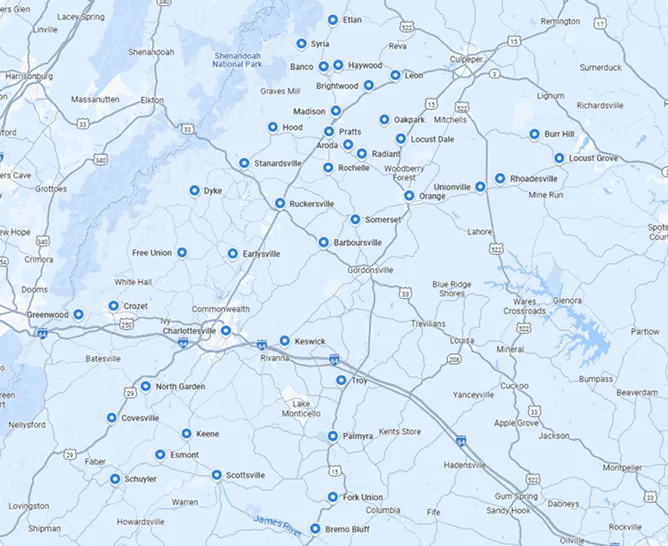
Service areas