

Choose an option to see quick actions and get help faster.
.svg)
HVAC Company in Leon, VA
Explore effective HVAC services tailored for Leon, VA homes. Improve comfort, lower energy bills, and ensure reliable heating and cooling solutions.
.jpeg)
Air flow delivers comprehensive residential HVAC services tailored for homes in Leon, VA. Homeowners here face hot, humid summers and cold, variable winters that place real demand on heating and cooling systems. Older houses, mixed construction types, and a mix of rural and suburban properties mean that one-size-fits-all solutions rarely work. The full range of services, common local issues, how we diagnose and solve problems, equipment and system options, maintenance strategies, and what to expect during a professional installation or repair. Content is focused on decision-stage information to help homeowners choose the right path for comfort, efficiency, and long-term reliability.
Why Leon, VA homes need targeted HVAC solutions
Leon sees humid summers and chilly winters that drive both cooling and heating loads. High summer humidity shortens AC runtime efficiency and increases the risk of mold in ductwork and crawlspaces. In winter, older furnaces or undersized heat pumps struggle with fuel cost and performance on cold nights. Many local homes have mixed insulation levels, legacy ductwork, or limited space for traditional equipment making alternatives like mini-splits and geothermal systems attractive. Addressing these local variables from the initial assessment yields better comfort, lower energy bills, and fewer emergency breakdowns.
Core residential HVAC services offered
Air flow provides a full suite of residential HVAC services built around diagnostics, quality installations, reliable repairs, and ongoing maintenance. Key offerings include:
- Furnace installation, replacement, and repair for gas and electric systems
- Heat pump installation and heat pump repair, including cold-climate variants
- Air conditioner (AC) installation, AC replacement, and emergency AC repair
- Preventive maintenance plans with seasonal tune-ups and priority scheduling
- Geothermal system design, installation, and service for high-efficiency heating and cooling
- Ductless mini-split system sizing, installation, and multi-zone solutions
- Indoor air quality testing and targeted solutions: filtration upgrades, UV germicidal lights, humidifiers and dehumidifiers
- Smart thermostat integration and zoning controls to optimize comfort and energy use
- Home energy audits to identify efficiency gains, load issues, and duct leakage
- 24/7 emergency service availability and rapid-response repair protocols
Each service is delivered with a documented customer journey that emphasizes clarity, safety, and measurable results.
Common HVAC problems in Leon, VA and why they happen
Understanding real-world causes helps homeowners weigh repair vs replacement. These are the most frequent issues seen in Leon, VA homes:
- Poor cooling on humid days: Often caused by low refrigerant, dirty evaporator coils, weak airflow from dirty filters or clogged ducts, or undersized equipment for home cooling load.
- Short cycling and high utility bills: Usually due to incorrect system sizing, a failing thermostat, refrigerant issues, or a restricted condenser.
- Uneven home temperatures: Caused by poor duct design, inadequate insulation, lack of zoning, or failing blower motors.
- Increased allergies and odors: Result from inadequate filtration, moisture in ducts, mold growth in air handling components, or high home humidity.
- Furnace ignition failures and noisy operation: Commonly due to aging burners, dirty flame sensors, or failing ignition systems on older furnaces.
- Heat pump performance drop in cold weather: May be from worn components, improper defrost cycles, or systems not sized for Leon winters.
- Frequent emergency calls in extreme weather: Often linked to deferred maintenance, aging equipment, or homes without preventive service plans.
Knowing the root causes helps determine whether a targeted repair, component replacement, or full system upgrade is the most cost-effective solution.
The Air flow diagnostic and customer journey
Air flow follows a structured assessment and service flow that provides clarity and accountability at every step:
This transparent process reduces surprises, aligns expectations, and improves long-term outcomes.
How installations are performed and what to expect
Installations differ by technology, but the guiding principles are the same: size correctly, install to code, optimize airflow, and verify performance. Typical installation details by system:
Furnace installation
- Review of combustion venting and fuel line requirements
- Proper sizing and duct transition for balanced airflow
- Sealing and insulating duct connections, testing for leaks
- Commissioning with safety checks, flame readings, and thermostat calibration
Heat pump installation
- Match outdoor unit capacity to indoor coil and ductwork
- Assess and upgrade electrical capacity if required
- Configure defrost settings for Leon winter conditions
- Verify refrigerant charge and measure heating performance at outdoor design temperatures
AC installation
- Conduct Manual J load and Manual D if duct modifications are needed
- Verify refrigerant piping length and insulation
- Set up condenser clearances for airflow and service access
- Test temperature split and confirm humidity control performance
Geothermal systems
- System design based on ground loop sizing and local geology
- Coordination with licensed drillers or loop installers
- Integration with home distribution system and backup heat
- Performance verification and loop integrity testing
Mini-split systems
- Zone mapping for precise comfort control in additions or homes without ducts
- Proper line set and electrical planning for multi-zone heads
- Condensate management and indoor unit placement for optimal airflow
- Smart control integration for centralized scheduling and efficiency
Every installation includes manufacturer registration, a completion checklist, and a performance report documenting the key metrics.
Repairs, emergency response, and long-term reliability
Repairs prioritize safety, reliability, and restoring peak performance with a focus on minimizing repeat visits. Common repair practices include:
- Diagnosis-first approach: Repair plans start with a documented diagnosis. Replacing parts without identifying the underlying cause often leads to repeat failures.
- Component repair and replacement: From capacitors and contactors to compressors and heat exchangers, parts replaced are evaluated for remaining system life to inform repair vs replace decisions.
- System optimization: After repairs, the system is fine-tuned for airflow, refrigerant charge, and control calibration to prevent future failures.
- Emergency protocols: In urgent situations during extreme heat or cold, the focus is on temporary reliable operation while evaluating interim or permanent solutions. Safety checks are performed immediately on any combustion-related system to prevent hazards.
- Documentation and recommendations: Technicians leave a clear service report explaining what was fixed, why it failed, and any recommended follow-up steps.
Repair work by qualified technicians extends equipment life, improves efficiency, and reduces the likelihood of avoidable emergencies.
Preventive maintenance plans and what they include
A preventive maintenance plan transforms reactive homeowners into proactive stewards of their comfort systems. Typical plan components include:
- Seasonal tune-ups for heating and cooling: Filter checks and replacements, coil cleaning, lubrication, belt inspections, and electrical terminal tightening
- Safety inspections for combustion appliances: Ignition system evaluation, flame inspection, heat exchanger visual checks, and venting assessment
- Refrigerant level and leak inspection: Detecting and addressing slow leaks before they damage compressors
- Blower and airflow optimization: Static pressure checks, duct pressure testing, and motor performance verification
- Priority scheduling and service tracking: Customers on plans receive priority for service visits and a maintenance history file used for warranty compliance and resale documentation
- Discounts on parts and labor for covered systems
Regular maintenance reduces energy use, lowers repair frequency, and helps maintain manufacturer warranties.
Indoor air quality, smart thermostats, and home energy audits
Improving comfort is as much about air quality and controls as it is about temperature. Services in this area include:
Indoor air quality testing and solutions
- Particle and VOC testing to identify allergens, dust loads, and chemical contaminants
- Upgrading filtration to high-efficiency MERV or HEPA-compatible systems where compatible with airflow
- Whole-home humidification and dehumidification to combat seasonally driven mold or dryness
- UV germicidal light installation for coil and microbial control
- Duct cleaning and targeted sealing to remove sources of dust and contaminants
Smart thermostats and zoning
- Smart thermostats offer scheduling, remote access, and learning features to save energy and improve comfort
- Integration with zoning systems or mini-splits enables different temperatures in different parts of the home, reducing wasted heating or cooling
- Proper thermostat placement and configuration are critical to avoid false temperature reads and short cycling
Home energy audits
- Comprehensive audits map heat loss and gain, attic and wall insulation levels, window performance, and ductwork losses
- Diagnostic tools like blower door testing and infrared imaging identify actionable improvements
- Audit results include prioritized recommendations and estimated payback for insulation upgrades, sealing, or equipment replacement
Addressing air quality and controls often yields outsized comfort and efficiency gains compared with equipment-only approaches.
Qualifications, warranties, financing, and energy partnerships
Air flow technicians are NATE-certified, which ensures industry-standard diagnostic and service practices. The company partners with energy efficiency programs and recognized manufacturers to offer warranty-backed equipment and documented installation practices. Typical consumer protections and options include:
- Manufacturer and workmanship warranties supported by documented installation procedures
- Financing options and flexible payment structures to make larger upgrades feasible while allowing homeowners to manage cash flow
- Energy efficiency partnership opportunities that may make certain high-efficiency systems eligible for rebates or incentives available in Virginia
- Code-compliant installations with required permits and inspection coordination
These elements protect the homeowner’s investment and ensure long-term system performance.
When to repair versus when to replace
Deciding between repair and replacement is a common decision at the point of service. Key considerations include:
- Age of system: Furnaces and heat pumps often approach the end of useful life around 15 years, central AC around 10-15 years depending on maintenance and use.
- Repair frequency and cost: Multiple breakdowns or a single major failure with high repair cost relative to replacement suggests replacement is more economical.
- Efficiency differential: New high-efficiency systems can reduce operating costs substantially in Leon’s climate, particularly when combined with envelopes and duct improvements.
- Homeownership plans: If a homeowner plans to stay long-term, higher-efficiency replacements pay back more clearly. For near-term sellers, targeted repairs coupled with energy audit improvements may be preferable.
- Comfort and control needs: Persistent comfort problems despite recent repairs can indicate undersizing, duct problems, or the need for zoning or mini-splits.
A careful evaluation that quantifies operating cost, repair history, and expected remaining life yields the most defensible recommendation.
Benefits of timely HVAC action for Leon homeowners
Prompt, informed HVAC decisions deliver measurable benefits for local homeowners:
- Improved comfort and humidity control during humid Virginia summers
- Lower energy bills through efficient equipment and optimized controls
- Reduced emergency repairs and longer equipment life through preventive maintenance
- Better indoor air quality for allergy sensitive households
- Predictable budgeting using maintenance plans and available financing
- Increased home resale value with documented service and energy improvements
Being proactive about HVAC health is particularly important in climates with wide seasonal swings and high humidity.
FAQQ:
Q: How often should I schedule maintenance for my heating and cooling systems?
A: Ideally, schedule cooling maintenance once before summer and heating maintenance once before winter. A dual-season maintenance plan or annual comprehensive tune-up keeps systems operating efficiently across Leon seasonal extremes.
Q: What factors determine whether I need a replacement or a repair?
A: Consider the system age, recent repair history, the cost of the current repair relative to replacement, energy efficiency differences, and your homeownership timeline. A professional assessment including a Manual J load calculation helps make a data-driven decision.
Q: Are mini-split systems a good fit for older homes without ducts?
A: Yes. Mini-splits provide efficient, zoned comfort for homes without existing ductwork, for additions, or to address stubborn hot or cold rooms without major renovation.
Q: How does a home energy audit improve HVAC outcomes?
A: An audit identifies insulation gaps, duct leaks, and window losses that can reduce HVAC load requirements. Correcting these issues can allow for right-sizing equipment and improve comfort while lowering operating costs.
Q: Can indoor air quality upgrades reduce allergy symptoms?
A: Targeted improvements like higher-efficiency filtration, humidity control, and duct sealing can reduce airborne allergens and mold growth, often yielding noticeable relief for allergy sufferers.
Q: What is a geothermal system and when does it make sense?
A: Geothermal systems use stable ground temperatures via buried loops for heating and cooling. They make sense for homeowners seeking maximum efficiency, long-term operating cost reductions, and who have available land or feasible loop installation conditions.
Q: Is a smart thermostat worth the investment?
A: When configured and installed correctly, smart thermostats typically save energy through scheduling and adaptive controls and pair well with zoning or multi-stage systems for better comfort and reduced energy waste.
Q: What does a typical emergency repair visit include?
A: A technician performs immediate safety checks, a targeted diagnosis, temporary measures if needed to restore safe operation, and a documented plan for permanent repair or replacement based on system condition and homeowner priorities.
Air flow brings local expertise, certified technicians, and a full service catalog to serve Leon, VA homeowners. The emphasis is on accurate diagnosis, system longevity, indoor air quality, and energy-smart solutions that reflect local climate and housing characteristics.
Our Service Process
A Hassle-Free Service Experience
01
Consultation & Diagnosis
We start by listening to your needs and performing a thorough diagnosis of your system to recommend the best solution.
02
Transparent Quoting
We provide a clear, upfront estimate with no hidden fees, so you know exactly what to expect.
03
Expert Service & Follow-Up
Our factory-trained technicians complete the work to the highest standards, and we follow up to ensure your complete satisfaction.
testimonials
What Our Customers Are Saying
Our customers consistently praise our exceptional service and attention to detail, making us a trusted choice for all your HVAC needs.
where we operate
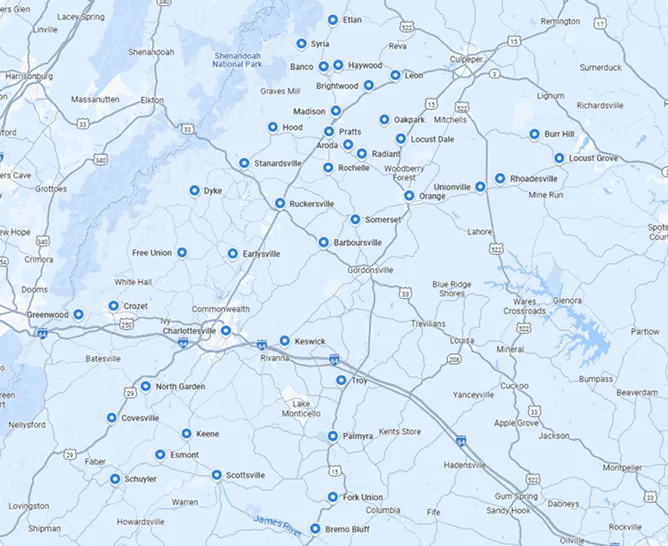
Service areas