How can we help today?Choose an option to see quick actions and get help faster.
Heating Replacement in Charlottesville, VA
Explore heating replacement factors in Charlottesville. This guide covers equipment sizing, signs of failure, and how to choose a new system for your home.
Upgrading your home heating equipment in Charlottesville involves removing an old, failing unit and installing a modern system. This process requires selecting the right type of equipment to match your specific heating needs.
A new system can improve indoor comfort and operate more efficiently than an aging unit. The installation process includes properly sizing the equipment, connecting it to existing ductwork, and testing all components for safe operation. When you are ready to upgrade, scheduling a furnace installation & replacement is the most effective way to get started.
How does a modern heating system work?
A central heating unit operates by warming air and circulating it throughout the house. Different systems use different methods to create this initial heat.
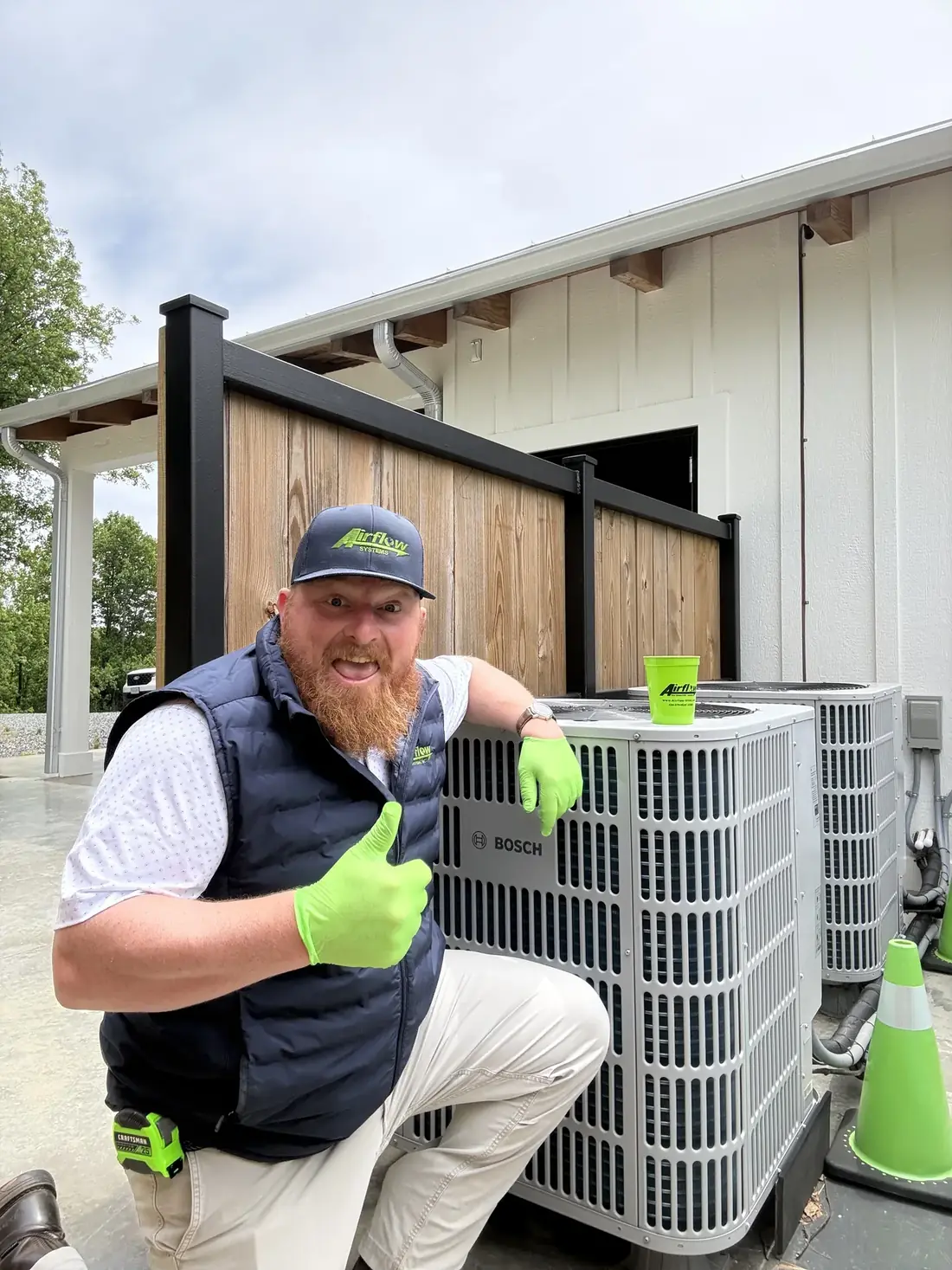
Heat pumps work by absorbing ambient heat from the outdoor air and moving it indoors using a refrigerant cycle. A reversing valve allows the system to switch between heating and cooling modes. Once the indoor coil is warm, a fan blows air over it to heat your home.
- Refrigerant absorbs outdoor ambient heat
- Reversing valve directs the flow
- Indoor coil gets warm for heating
- Fan pushes conditioned air through ducts
What are the signs you need a replacement?
Recognizing the warning signs of a failing heater can help you avoid a complete breakdown during cold weather. Strange smells and poor airflow are common red flags.
A persistent burning or musty odor when the heat turns on can mean that internal parts are actively deteriorating. Furthermore, if the air coming from your vents feels weak or lukewarm, the blower motor or heat exchanger might be severely compromised and unable to function properly.
- Persistent strange odors from the vents
- Weak airflow during heating cycles
- Lukewarm air instead of hot air
- Frequent system resets at the thermostat
What safe checks can a homeowner perform?
There are several non-technical ways to maintain your heating system safely. Keeping the area around your equipment clear is a crucial first step.
Inspect your indoor air filter and replace it if it looks dirty, as a clogged filter restricts airflow. For outdoor heat pump units, gently brush away leaves, snow, or debris that might block the coils. Never attempt to open the cabinet or touch electrical parts.
- Inspect the indoor air filter regularly
- Replace dirty filters to improve airflow
- Clear debris from outdoor heat pumps
- Keep the equipment cabinet completely closed
What factors affect heating replacement costs?
The total cost of a heating replacement depends on several variables, including the type of system you select and the complexity of the installation.
Higher-efficiency units generally have a higher upfront cost but use less energy over time. The size of your home dictates the capacity of the equipment needed, which also heavily influences the price. Modifications to existing ductwork or electrical connections will add to the final installation total.
- Selected system type and efficiency rating
- Equipment capacity requirements for the home
- Modifications to existing ductwork systems
- Necessary electrical connection updates or changes
Why is proper system sizing important?
A heating unit must be carefully matched to the square footage and thermal characteristics of your home. Sizing directly impacts both comfort and equipment longevity.
An undersized heater will run constantly in an attempt to reach the thermostat setting, driving up energy usage without ever fully warming the house. Installers perform detailed load calculations to confirm the new equipment has the exact heating capacity needed for your specific floor plan.
- Avoids constant running without reaching temperature
- Prevents high energy usage from undersizing
- Relies on detailed structural load calculations
- Matches the specific floor plan exactly
Which features should you consider when selecting new heating equipment?
When evaluating new heating equipment, consider features like variable-speed blowers, modulating gas valves, and higher efficiency ratings. These technologies influence how effectively the system manages indoor temperature, humidity, and energy consumption.
A variable-speed blower motor adjusts its airflow output based on current conditions, rather than running at a single, high speed. This capability allows the system to circulate air more gently and evenly throughout your home. Slower, continuous air movement helps reduce temperature fluctuations and improves indoor air filtration.
For heat pumps, you might look at inverter-driven compressors, which adjust their output in small increments to match the exact heating demand. Furnaces offer similar control through modulating gas valves. High-efficiency models often feature these precise controls, which is reflected in higher HSPF2 ratings for heat pumps.
- Variable-speed motors for even airflow
- Modulating valves for precise heating
- Inverter technology for steady operation
- Higher HSPF2 ratings for heat pumps
How can you prepare your home for a heating replacement visit?
Preparing your home involves clearing pathways to the equipment and securing pets. Creating a safe, unobstructed work area allows the installation team to remove the old unit and position the new system smoothly.
Start by clearing any clutter, furniture, or stored items around your indoor furnace or air handler. The technicians need ample space to maneuver heavy equipment and access the ductwork connections. If your system is located in an attic or basement, make sure the stairs and walkways are well-lit and clear of tripping hazards.
For heat pump installations, check the outdoor area as well. Remove yard debris, patio furniture, or potted plants near the outdoor unit. Keep pets in a separate, closed room to prevent them from slipping outside or getting near the work zone. These simple steps help the replacement process proceed without unnecessary interruptions.
- Clear items around indoor equipment
- Remove debris near outdoor units
- Secure pets in a separate room
- Verify walkways are clear of hazards
Our Charlottesville office
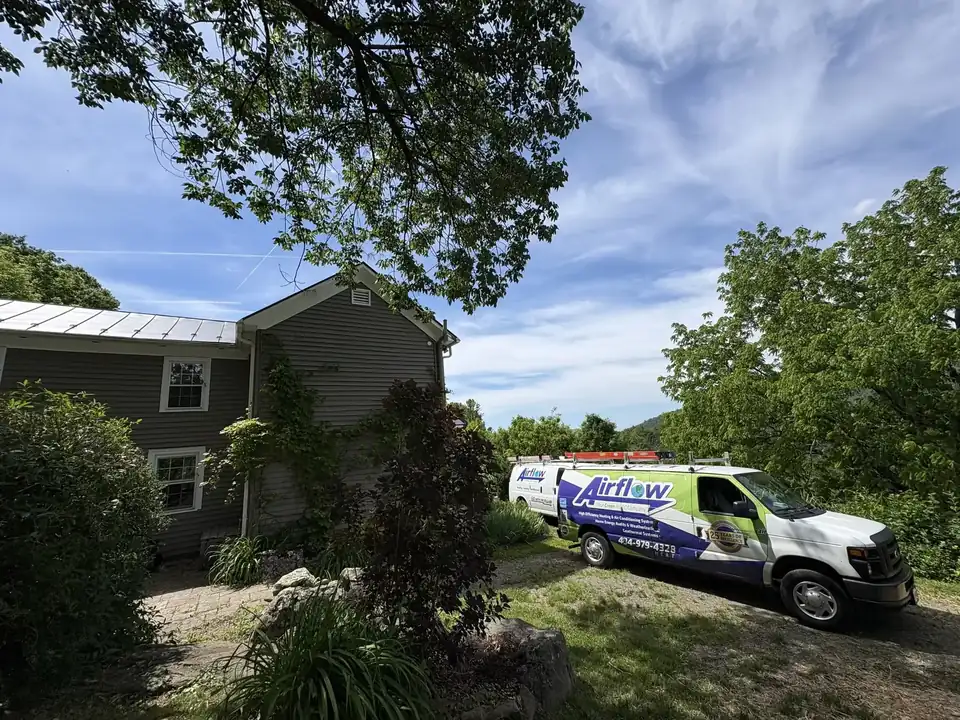
Airflow Systems manages heating and cooling jobs through our Charlottesville office at 1134 Rose Hill Dr, and information about travel distances is available via the Charlottesville service area.
Airflow Systems acts as a WaterFurnace geothermal partner, and we install or service equipment from Daikin, Trane, and Mitsubishi Electric. Learn about financing options by contacting Airflow Systems during normal business hours.
Heating Replacement questions from Charlottesville homeowners
Why is my new heating system blowing cold air?
Heat pumps naturally produce air that feels cooler than the air from a traditional furnace, even though it is still warming your home. If a system is genuinely blowing cold air, it could indicate an issue with the reversing valve or a refrigerant leak requiring professional attention.
Can I replace just the furnace and keep my old AC?
While it is possible to replace only the heating unit, mismatched systems often suffer from decreased efficiency and performance. Replacing both indoor and outdoor units at the same time helps all components work together smoothly and share the same lifespan.
Should I replace my thermostat when getting a new heater?
Upgrading your thermostat during a heating replacement is highly recommended. Modern thermostats communicate more effectively with new equipment, allowing for better temperature control and energy management. A technician can help you select a model that matches your new system properly.
What is the difference between a furnace and a heat pump?
A furnace generates heat by burning fuel or using electrical resistance, while a heat pump transfers existing heat from the outdoor air into your home. Heat pumps provide both heating and cooling, making them a versatile option for year-round temperature control.
What does SEER2 and HSPF2 mean for heating?
SEER2 measures cooling efficiency, while HSPF2 measures the heating efficiency of a heat pump over an entire season. Higher ratings indicate that the equipment uses less energy to produce the same amount of heat. These standards help homeowners compare the performance of different models.
If you suspect an issue with your system, contact Airflow Systems for a professional diagnosis. You can reach Airflow Systems at (434) 979-4328.
Ready When You Are.
One call reaches Charlottesville's premier WaterFurnace partner. We repair, replace, and maintain heating, cooling, and geothermal systems across Charlottesville and Central Virginia & the Blue Ridge — Mon–Fri, 7:30 AM – 4:00 PM.
- 100%Satisfaction
- FamilyOwned & operated
- M–F7:30 AM – 4:00 PM