How can we help today?Choose an option to see quick actions and get help faster.
Heat Pump Repair & Service in Charlottesville, VA
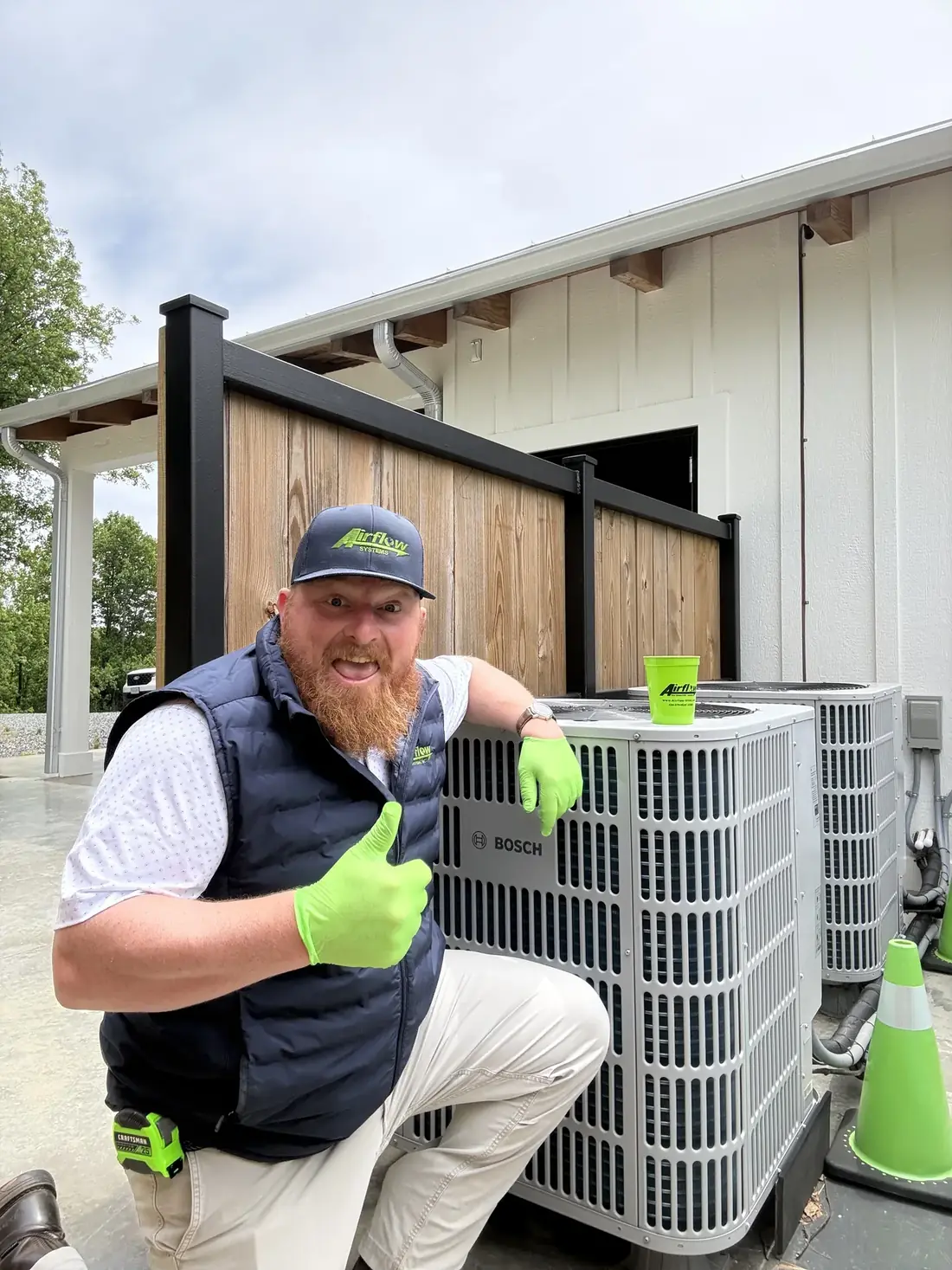
When a system freezes or blows lukewarm air, professional diagnostic and repair services pinpoint the mechanical failure to restore proper heating and cooling operation.
Heat Pump Service for Central Virginia and the Blue Ridge
If your heat pump is blowing air that isn't warm enough in the winter or cool enough in the summer, making sudden grinding or squealing noises, or cycling on and off more frequently than usual, it likely needs professional service. Ignoring these symptoms can sometimes lead to more extensive damage to the system's core components, turning a smaller issue into a major repair.
Heat pump repair service is a diagnostic process to pinpoint the exact cause of a malfunction. A technician evaluates the system's electrical and mechanical components to determine the necessary fix, which could range from replacing a small electrical part to addressing a refrigerant leak. For systems with declining performance, a Heat Pump Maintenance & Tune-Up can often help, while for older, unreliable units, exploring a Heat Pump Installation & Replacement might be the better path.
What to Expect When You Choose Airflow Systems
- Respectful Professionals: Our polite staff keeps your living space clean and tidy.
- Timely Responses: We dispatch our crews quickly to restore your comfort.
- Skilled Specialists: Knowledgeable service technicians handle your geothermal and conventional systems.
- Permanent Fixes: Your equipment is repaired correctly instead of receiving temporary bandages.
- Transparent Options: We provide clear pricing details prior to starting any job.
How a Heat Pump Provides Heating and Cooling
Unlike a furnace that creates heat by burning fuel, a heat pump works by moving heat from one place to another. It uses a refrigerant cycle to absorb thermal energy from a source (like the outdoor air) and release it in a different location (like inside your home). This process can be reversed to provide cooling.
The Cooling Cycle
During warm weather, the heat pump functions like a standard air conditioner. The indoor coil, called the evaporator, contains cold refrigerant that absorbs heat from your home's air as it passes over. The now-warm refrigerant is pumped to the compressor in the outdoor unit, which pressurizes it into a hot gas. This gas flows through the outdoor coil (the condenser), where a fan blows air across it, releasing the absorbed heat into the outside environment. The refrigerant then cools, returns to a liquid state, and flows back inside to repeat the cycle.
The Heating Cycle
In heating mode, a component called the reversing valve changes the direction of the refrigerant flow. Now, the outdoor coil acts as the evaporator, absorbing heat from the outside air (even when it feels cold). The refrigerant carries this heat indoors to the compressor, which again pressurizes it into a hot gas. This hot gas flows through the indoor coil, which now acts as the condenser, releasing heat into your home's air. The air handler's blower then circulates this warmed air through the ductwork.
The Defrost Cycle
When a heat pump is heating in cold, damp weather, the moisture in the outdoor air can freeze on the surface of the outdoor coil. A thin layer of frost is normal, but a thick buildup of ice can block airflow and prevent the system from absorbing heat. To manage this, heat pumps periodically run a defrost cycle. The system temporarily switches back to cooling mode to send hot refrigerant through the outdoor coil, melting the ice. During this brief cycle, auxiliary electric heat strips may turn on to prevent cold air from blowing inside.
Understanding the Heat Pump Diagnostic Process
A heat pump integrates electrical controls, mechanical parts, and a sealed refrigerant circuit to move heat. A malfunction in any one of these areas can cause a system failure. A methodical diagnostic process is necessary to accurately identify the source of the problem before attempting a repair.
Electrical issues are a frequent cause of heat pump problems. These can range from a failed capacitor, which prevents a motor from starting, to a faulty contactor that doesn't allow the outdoor unit to turn on. Problems with the control board, thermostat wiring, or safety sensors can also interrupt normal operation and require careful testing to diagnose.
Mechanical and refrigerant circuit issues often involve the core components of the system. A refrigerant leak, for example, will reduce the system's ability to heat or cool effectively. Other potential issues include a failing compressor, a blower motor that isn't moving enough air, or a reversing valve that is stuck in either heating or cooling mode. These problems require specialized tools to evaluate.
What Our Heat Pump Repair & Service Visit Includes
A diagnostic visit involves a series of checks to evaluate the system's condition and identify the cause of the problem. The process looks at the following areas:
- Electrical System Evaluation: This includes testing capacitors for proper capacitance, inspecting contactors for signs of pitting or wear, and verifying that motors and the compressor are receiving the correct voltage.
- Refrigerant Charge Measurement: A technician connects gauges to the system to measure the operating pressures of the refrigerant. These readings help determine if the system has the correct amount of refrigerant or if a leak may be present.
- Reversing Valve and Defrost Control Function: The visit includes a check to confirm that the reversing valve is shifting correctly between heating and cooling modes and that the defrost cycle initiates as needed to prevent ice buildup on the outdoor coil.
- Airflow and Blower Operation: This involves inspecting the indoor blower motor and wheel to confirm proper airflow. Restricted airflow from a dirty filter or failing motor can cause a wide range of performance issues.
After a complete diagnosis, the findings will clarify whether a targeted repair can restore function or if the system's age and condition make a Heat Pump Installation & Replacement a more suitable option.
Common Heat Pump Warning Signs
Most heat pump failures are preceded by noticeable changes in performance or sound. Recognizing these signs can help a homeowner know when to call for a professional evaluation before a complete system breakdown occurs.
Loud or Unusual Noises
A heat pump should operate with a consistent, low hum from the fans and compressor. If you hear new or loud noises, it often indicates a mechanical problem. A rattling or clanking sound from the outdoor unit could point to a loose panel, debris in the fan, or a failing motor bearing. A high-pitched squealing or a deep grinding sound may suggest a problem with the compressor, which is a critical and major component of the system.
System Is Stuck in One Mode
If your heat pump produces warm air when the thermostat is set to cool, or blows cool air when set to heat, the reversing valve is a likely cause. This component is responsible for directing the flow of refrigerant to switch between heating and cooling functions. It can fail electrically or become mechanically stuck, locking the system in a single mode of operation regardless of the thermostat's setting.
Ice Buildup on the Outdoor Coil
While a thin layer of white frost on the outdoor coil is normal during winter operation, a thick, solid layer of ice is not. This indicates a problem with the defrost cycle or another issue like low refrigerant or poor airflow. If you see heavy ice, you can check that your air filter is clean and that nothing is blocking the outdoor unit. If those are clear, the problem requires a professional diagnosis to check the defrost controls, sensors, or refrigerant charge.
Frequent On-and-Off Cycling
A system that repeatedly starts and stops without completing a normal operating cycle is short-cycling. This is inefficient and puts significant stress on the compressor. Before calling for service, check for simple causes like a clogged air filter restricting airflow or blocked supply and return vents. If those are not the issue, the cause could be a refrigerant leak causing a safety switch to trip, an electrical control problem, or an improperly sized system.
Deciding Between Heat Pump Repair and Replacement
When a major component fails, homeowners often face a choice: repair the existing unit or invest in a new one. The decision depends on several factors, and there is no single right answer for every situation. Considering the long-term implications can help clarify a clear path forward.
System Age and Repair History
The operational lifespan of a heat pump can vary. As a system ages, the likelihood of component failure generally increases. If the unit has required multiple repairs in recent seasons, it may be a sign of systemic wear. A single, isolated repair on a younger system is very different from recurring problems on an older one, which could indicate that other parts may soon fail.
The Cost and Scope of the Repair
The nature of the required repair is a primary consideration. A minor electrical component replacement is one thing; a failure of a major part like the compressor or outdoor coil is another. When the cost of a repair approaches a significant fraction of the cost of a new system, replacement becomes a more viable option to consider. It is also helpful to think about the possibility of future repairs on other aging components.
Efficiency and Comfort Performance
Heat pump technology has advanced over time, with newer models offering higher levels of energy efficiency, measured by SEER2 and HSPF2 ratings. An older, failing system may struggle to maintain comfortable temperatures, especially during very cold or hot weather. A new, correctly sized system can provide more consistent comfort and improved humidity control compared to an aging unit that is no longer performing as it should.
Our Approach: Guidance, Not Guesswork
When you contact Airflow Systems about a problem, the first step is to listen. We want to understand what you have seen, heard, and noticed with your system. This history provides valuable context for the technical diagnosis, helping to focus on the most likely causes of the issue. A thorough evaluation of the equipment follows, using established diagnostic procedures to pinpoint the exact failure.
Once the problem is understood, the findings are explained in clear, straightforward language. Airflow Systems believes in presenting options, not ultimatums. You will receive a clear explanation of what is needed for a repair, along with the pros and cons of that choice. Upfront pricing is provided for any proposed work, allowing you to make an informed decision with no pressure and no surprises.
Related Services
In addition to diagnostics and repair, our Heat Pump Services include routine preventative care with a Heat Pump Maintenance & Tune-Up and full system upgrades through our Heat Pump Installation & Replacement service.
Get Your Comfort Back
For help with your home's heating and cooling system, contact Airflow Systems. We serve Charlottesville and the surrounding service areas with a full range of Heat Pump Services. To discuss the issue and Request Heat Pump Repair, call us at (434) 979-4328.
Talk to Airflow Systems
Airflow Systems is a family-owned heating and cooling company at 1134 Rose Hill Drive in Charlottesville and a WaterFurnace geothermal partner. Call Monday through Friday, 7:30 AM to 4:00 PM, or request service online any time.
Ready When You Are.
One call reaches Charlottesville's premier WaterFurnace partner. We repair, replace, and maintain heating, cooling, and geothermal systems across Charlottesville and Central Virginia & the Blue Ridge — Mon–Fri, 7:30 AM – 4:00 PM.
- 100%Satisfaction
- FamilyOwned & operated
- M–F7:30 AM – 4:00 PM