

Choose an option to see quick actions and get help faster.


The Chilly Morning Panic: Is That Burning Smell an Emergency?
Did you just turn on your system for the first time this season, hoping for cozy warmth, only to be hit with a strange burning odor? Searching for reliable home maintenance tips and troubleshooting is exactly what most homeowners do when a sudden burning smell comes pouring out of their vents. You rely on your heating equipment to keep your Charlottesville VA home comfortable, not to create a potential fire hazard. Here at Airflow Systems, Inc., our team fields dozens of frantic calls every October from homeowners worried that their sudden temperature drop is about to be followed by a house fire.
Right now, you are facing a critical decision point: do you instantly shut down the equipment and call our emergency line, or do you wait for the normal seasonal dust to burn off? Understanding exactly how your system behaves during this initial startup period is the very first step to keeping your family safe and preventing unnecessary panic. While upgrading to modern ductless mini-split systems or scheduling professional mini-split installation services can eliminate many traditional furnace issues entirely, knowing how to handle your current equipment is essential for your peace of mind.
The Science Behind the Scent: Why Idle Heaters Smell
To understand why your heating system produces a distinct odor during that mid-fall October heating startup, you have to look at what happens inside the unit during the off-season. For five to six months, your furnace or heat pump sits entirely idle. During this long dormant period, the internal components—specifically the heat exchanger in a gas furnace or the electric heating elements in a heat pump—become a resting place for airborne debris. Pet dander, fabric fibers, skin cells, and standard household dust slowly settle onto these metallic surfaces.
When you finally flip the thermostat from "cool" to "heat," those internal components rapidly heat up to hundreds of degrees. The accumulated layer of debris has nowhere to go, so it instantly incinerates. This physical reaction releases a very specific, dry burning smell into your ductwork, which is then blown directly into your living spaces. Your indoor air quality will temporarily drop as this particulate matter is burned away, but our technicians always remind customers that this is a standard physical reaction, not necessarily a sign of mechanical failure.
The Role of Summer Humidity and Settled Dust
In our years of servicing HVAC units across Charlottesville, our team has seen how our local climate plays a massive role in how severe this smell will be. Our region experiences specific weather patterns that make this annual burn-off much more noticeable.
• Sticky humidity: Charlottesville's long, highly humid summers cause damp dust to settle heavily on HVAC components. Humid air carries more particulate matter, and the moisture makes that dust cling stubbornly to the cold metal surfaces of an idle heater.
• The sudden temperature shift: When the weather breaks and you initiate your mid-fall October heating startup, the abrupt temperature shift essentially bakes this thick layer of moisture and dust all at once, causing a highly pronounced odor that can easily startle an unprepared homeowner.
Normal Burn-Off vs. Warning Signs: A Side-by-Side Comparison
Because heating equipment is a leading cause of home fires, validating the need to know the difference between a harmless nuisance and a dangerous malfunction is critical. You never want to ignore a smell that could indicate melting wires or a cracked heat exchanger. However, you also do not want to panic over a standard seasonal process.
Identifying Harmless Dust Odors
The harmless smell: A normal dust burn-off has a very specific sensory profile. It usually smells like dry, earthy dust, slightly singed hair, or a hot radiator. It is a warm, organic smell that does not sting your eyes or catch in your throat. Most importantly, this smell only occurs during the very first few uses of the season and begins to fade almost immediately as the system runs.
Recognizing Dangerous Electrical and Plastic Smells
The dangerous smell: An electrical or plastic fire smells entirely different. It is an acrid, sharp, metallic odor that resembles melting wire insulation, burning rubber, or ozone. This smell will often sting your nostrils and will persist or worsen the longer the system runs. It may also be accompanied by sparking sounds, a tripped circuit breaker, or visible smoke near the indoor unit.
• Type of Odor — Normal Dust Burn-Off: Dry dust, earthy, singed hair — HVAC Emergency (Electrical/Mechanical): Melting plastic, burning rubber, sharp ozone, metallic
• Duration — Normal Dust Burn-Off: Fades quickly (within 30-60 minutes) — HVAC Emergency (Electrical/Mechanical): Persists, intensifies, or returns on every cycle
• Physical Sensations — Normal Dust Burn-Off: Mildly unpleasant, but does not sting eyes — HVAC Emergency (Electrical/Mechanical): Acrid, catches in the throat, stings eyes
• Accompanying Signs — Normal Dust Burn-Off: None (system runs normally) — HVAC Emergency (Electrical/Mechanical): Tripped breakers, sparking sounds, visible smoke, loud grinding
• Required Action — Normal Dust Burn-Off: Monitor for one hour; ventilate the house — HVAC Emergency (Electrical/Mechanical): Shut down system immediately; call a professional

The Patience vs. Panic Timeline: How Long Should the Odor Last?
One of the most common gaps in troubleshooting advice is the lack of a specific timeframe. How long are you supposed to wait before deciding the smell is a problem? As the local experts at Airflow Systems, Inc., we provide this honest timeline based on years of fielding these exact fall startup calls, so you know exactly when NOT to call us, saving you from unnecessary emergency fees if your system is just experiencing a normal burn-off during your mid-fall October heating startup.
1. The First 10 Minutes: When the system first kicks on, the smell will be at its absolute strongest. This is the peak incineration phase. Do not panic. Simply walk to the nearest vent and assess the type of smell (referencing the comparison above). If it smells like dry dust, proceed to the next step.
2. The 30-Minute Mark: After thirty minutes, the heating cycle should be well underway or finishing its first round. The smell should be noticeably weaker than it was at the ten-minute mark. If the weather permits, you can open a window slightly to help ventilate the home and clear the indoor air.
3. The 60-Minute Mark (1-2 Cycles): By the time the system has run for a full hour—which usually equates to one or two complete heating cycles—the odor should be completely gone or barely detectable. If the smell has vanished, your system has successfully cleared its heating elements.
4. Beyond 60 Minutes: If the burning smell is just as strong after an hour, or if it changes from a dusty smell to an acrid, plastic smell, the timeline for patience has expired. This is the moment to transition from monitoring to taking immediate action.
When to Shut Down Your System Immediately
While patience is a virtue during the initial startup, there are strict warning signs that demand immediate action. If you experience any of the dangerous indicators mentioned above, or if the smell outlasts the 60-minute safety window, you must intervene. Heating equipment fires are a documented reality, and National Fire Protection Association (NFPA) safety guidelines strongly emphasize the importance of shutting down malfunctioning equipment before a small electrical short becomes a structural fire.
The immediate shutdown protocol: First, walk over to your thermostat and switch the system from "Heat" to "Off." Next, locate the power switch next to your indoor furnace or air handler (it often looks like a standard light switch) and flip it off. If you cannot find this switch, go to your main electrical panel and flip the dedicated breaker for your HVAC system to the off position. This stops all electrical current and fuel flow to the unit.
The strict rule against DIY repairs: Once the system is powered down, do not attempt to open the cabinet to investigate the source of the burning smell. Internal component inspections, wiring diagnostics, and heat exchanger evaluations must always be left to a licensed professional. Attempting DIY electrical or mechanical repairs on an HVAC system in your Charlottesville VA home is incredibly dangerous and can easily void your manufacturer warranty or cause severe injury.
Long-Term Solutions: Is It Time to Rethink Your Comfort System?
If you find yourself dreading your mid-fall October heating startup every year because your older system consistently produces terrifying smells, makes loud grinding noises, or requires constant repairs, it may be time to evaluate the safety of your equipment. Aging combustion furnaces and outdated heat pumps can become safety hazards as their internal components degrade over time.
Exploring modern alternatives: Modern heat pumps offer a much safer, more efficient alternative to older combustion units or window-based heaters. Because they do not rely on burning fossil fuels to generate heat, the risk of carbon monoxide leaks and severe combustion-related fires is drastically reduced. Furthermore, modern systems are designed with advanced safety sensors that automatically shut the unit down if they detect overheating.
Targeted upgrades: If only certain areas of your home are struggling, exploring the best rooms to install a mini-split can help you phase out dangerous older equipment without replacing the entire central system at once. These ductless units provide highly targeted, safe heating. Additionally, comprehensive air conditioning solutions often integrate seamlessly with modern heating setups, giving you a year-round, odor-free comfort system that you never have to fear turning on.
Proactive Home Maintenance Tips and Troubleshooting for Fall
The best way to handle a burning smell is to prevent it from becoming severe in the first place. Proactive maintenance ensures your system is clean, safe, and ready to handle the winter workload without overheating.
Safe Homeowner Tasks vs. Professional Requirements
Our technicians frequently remind homeowners that there is a clear dividing line between the maintenance tasks you should handle yourself and the work that requires a licensed professional.
• Replace clogged air filters: This is the single most important task a homeowner can do. A heavily clogged air filter restricts airflow, causing the internal components to overheat. This overheating amplifies burning smells and can severely damage the system. Replace your filter right before your first heating cycle.
• Clear outdoor debris: If you have a heat pump, walk outside and ensure the area around the outdoor compressor is free of fallen leaves, tall grass, and branches. The system needs clear airflow to operate safely.
• Keep vents unobstructed: Walk through your Charlottesville VA home and make sure no furniture, rugs, or heavy drapes are blocking your supply or return vents. Blocked vents increase internal system pressure and heat.
• Schedule a pre-winter inspection: Licensed professionals must handle internal wiring, heat exchanger inspections, and refrigerant lines. A professional tune-up ensures that the system is thoroughly cleaned, electrical connections are tightened, and all safety sensors are tested before the first major freeze hits.
Making upgrades accessible: If your fall maintenance inspection reveals that your system is no longer safe to operate, replacing it doesn't have to be an overwhelming financial burden. Flexible HVAC financing is often available for qualifying homeowners, allowing you to install a safe, modern system with manageable monthly payments. Additionally, federal tax credits may apply to qualifying heat pump installations or high-efficiency upgrades. We always advise readers to verify current programs with their utility or a tax professional.
Frequently Asked Questions About Fall Heating Startup
Is it normal for a heater to smell like burning dust?
Yes, during the very first use of the season, accumulated dust burning off the internal heat exchanger is an entirely normal physical reaction. This happens because the system has sat idle for months, allowing household dust and debris to settle on the heating elements. When those elements heat up, the dust incinerates, creating a temporary odor.
How long does the burning dust smell last?
A normal dust burn-off typically lasts between 30 and 60 minutes, which equates to roughly one to two complete heating cycles. The smell should be strongest during the first ten minutes and gradually fade until it is completely unnoticeable. If the smell persists beyond an hour, it requires further investigation.
Can burning dust in a heater cause a fire?
Standard dust burn-off is rarely a fire hazard on its own. However, if the system has heavily clogged air filters, the restricted airflow can cause the entire unit to overheat, which is extremely dangerous. Keeping your filters clean is the best way to ensure the system operates at a safe temperature during your mid-fall October heating startup.
What does an electrical fire smell like in HVAC?
An electrical fire or severe mechanical failure smells like melting plastic, burning rubber, or a sharp, acrid metallic odor. Unlike a dusty smell, an electrical burning odor will often sting your eyes or catch in your throat, and it does not fade as the system continues to run.
When should I worry about my heater smelling?
You should worry and take immediate action if the smell is acrid, smells like melting plastic, lasts longer than an hour, or is accompanied by visible smoke, sparking sounds, or tripped circuit breakers. In any of these scenarios, shut the system down immediately at the thermostat and the breaker, and call a licensed professional.
Stay Safe and Warm: Making the Right Call for Your Home
Synthesizing all these home maintenance tips and troubleshooting strategies comes down to one core principle: knowing the difference between a normal seasonal burn-off and a true emergency empowers you to keep your home safe. You now have the knowledge to identify the harmless smell of settling dust, the timeline to patiently monitor it, and the definitive warning signs that demand immediate intervention.
Remember, if there is ever any doubt about an odor coming from your vents, shutting the system down is always the safest choice. Never hesitate to prioritize the safety of your Charlottesville VA home over temporary comfort. By scheduling a professional inspection with the Airflow Systems, Inc. team and keeping up with proactive maintenance, you can ensure your system is clean, safe, and ready to provide reliable, odor-free warmth all winter long.
Book Expert Service Or Contact Us
Our Service Process
A Hassle-Free Service Experience
01
Consultation & Diagnosis
We start by listening to your needs and performing a thorough diagnosis of your system to recommend the best solution.
02
Transparent Quoting
We provide a clear, upfront estimate with no hidden fees, so you know exactly what to expect.
03
Expert Service & Follow-Up
Our factory-trained technicians complete the work to the highest standards, and we follow up to ensure your complete satisfaction.
testimonials
What Our Customers Are Saying
Our customers consistently praise our exceptional service and attention to detail, making us a trusted choice for all your HVAC needs.
where we operate
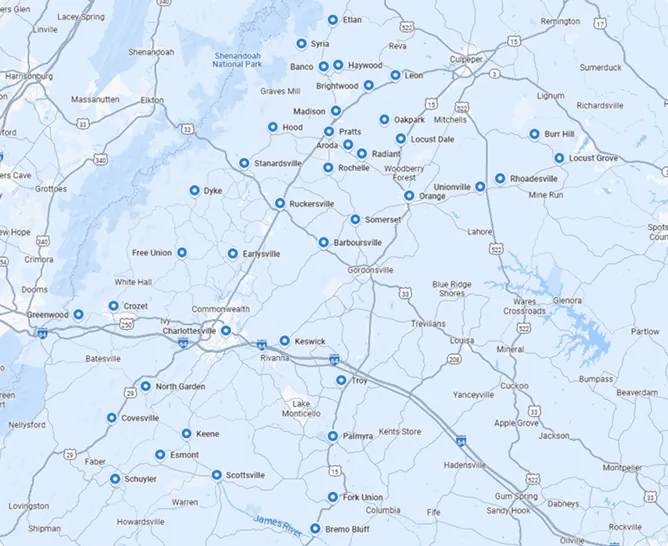
Service areas