

Choose an option to see quick actions and get help faster.


Is That Burning Smell Normal? Navigating Your First Fall Heating Startup
Is your heater actually broken, or just shaking off a long summer nap? When you start working through your seasonal home maintenance checklist, the mid-fall October heating startup is often the most nerve-wracking chore on the list. You switch the thermostat from cooling to heating for the very first time, and almost immediately, a strange burning smell fills the hallway. Sometimes, it is accompanied by a series of loud pops or clicks from the vents.
This creates an immediate and stressful decision point for any homeowner. You have to decide whether that initial symptom is just a harmless quirk of a dormant system waking up, or if it represents a genuine mechanical safety risk that requires an immediate shutdown. Guessing wrong can lead to unnecessary service calls on one hand, or severe equipment damage on the other.
The most critical part of your autumn preparation is treating this first startup as an objective, sensory-based safety test. Instead of just turning the heat on and walking away, you need to actively monitor the system. You are listening for specific acoustic triggers and smelling for distinct chemical odors. Modern heating equipment, including highly efficient Ductless Mini Splits, handles these seasonal transitions very effectively, but every mechanical system requires observation after months of inactivity. Knowing exactly what to look for keeps your home safe and ensures your equipment is ready for the cold months ahead.
The Climate Factor: Why Charlottesville Systems Experience Heavier Dust Accumulation
Understanding why your heating system struggles during its first autumn cycle requires looking at the environment it operates in. Fluctuating autumn temperatures demand a lot from your HVAC equipment. You might need cooling during a warm afternoon, only to require heat when the sun goes down. This back-and-forth switching puts unique mechanical stress on components that have been running in a single mode for months.
During the long summer dormancy, the internal heating elements and heat exchangers inside your furnace or air handler sit completely idle. While they sit, they act as a landing pad for household particulate matter. Pet dander, fabric lint, dead skin cells, and standard household dust continuously circulate through your ductwork. Even with a high-quality air filter, microscopic particles slip through and settle on these cold metal surfaces.
This accumulation is heavily influenced by regional weather patterns. In our years of servicing HVAC equipment throughout Charlottesville, the team at Airflow Systems has seen firsthand how our hot, humid summers cause excess dust and particulate matter to stick to idle heat exchangers and components. This makes the initial fall dust burn-off much more pronounced here than in drier climates. When you run Air Conditioning Services constantly to combat summer humidity, the resulting moisture inside the air handler acts like a mild adhesive for dust.
Because of this sticky accumulation, the first mid-fall October heating startup is a crucial mechanical test, not just a routine chore on a checklist. When those burners or electric heat strips finally ignite, they are instantly incinerating a layer of baked-on summer dust. The resulting reaction is what causes the symptoms that alarm so many homeowners.
Odor Comparison: Harmless Dust Burn-Off vs. Genuine Safety Hazards
Smell is your first and most reliable diagnostic tool during a seasonal transition. Because your ductwork carries air directly from the heating unit into every room of your house, odors travel incredibly fast. The key is knowing which smells are an expected part of the process and which ones indicate an active emergency.
The National Fire Protection Association (NFPA) consistently lists heating equipment as a leading cause of home fires. This statistic emphasizes exactly why you cannot afford to ignore unusual odors. You must establish clear boundaries for when an odor requires you to immediately shut down the system at the thermostat.
• Musty, Dusty, or Singed Hair — Likely Cause: Incineration of settled lint, pet dander, and household dust on the heat exchanger. — Safety Level: Normal / Harmless — Required Action: Monitor closely. Ventilate the home. Should fade rapidly.
• Burning Plastic or Rubber — Likely Cause: Melting wire insulation, a failing capacitor, or a foreign object lodged in the heating element. — Safety Level: Dangerous — Required Action: Shut off system immediately. Call a professional.
• Sharp Electrical / Ozone — Likely Cause: An overheating blower motor, short-circuiting wires, or a failing circuit board. — Safety Level: Dangerous — Required Action: Shut off system immediately. Call a professional.
• Sulfur or Rotten Eggs — Likely Cause: A natural gas leak near the furnace or a cracked heat exchanger leaking combustion gases. — Safety Level: Critical Hazard — Required Action: Evacuate home. Call utility company and HVAC emergency services.
The 15-30 Minute Rule
The most important metric for evaluating a burning smell is time. A standard, harmless dust burn-off should completely dissipate within an initial 15-30 minute dust burn-off window. The amount of dust on the heat exchanger is finite; once it burns away, the smell must stop. While this brief process occurs, it is perfectly fine to open a few windows or turn on ceiling fans to ventilate the area. If the musty, singed-dust smell fades away within this timeframe, your system has successfully cleared its summer buildup.
Red Flag Odors That Require Immediate Shutdown
If you detect the smell of melting plastic, electrical ozone, or sulfur, the 15-30 minute rule no longer applies. These are severe mechanical failures. Electrical burning odors usually mean the blower motor is drawing too much amperage and melting its own wire casing. A sulfur or rotten egg smell is the chemical mercaptan, which utility companies add to natural gas specifically to warn you of a leak. If you smell gas or melting wires, turn the thermostat to the "off" position immediately and do not attempt to investigate the internal components yourself.

Sound Comparison: Normal Operational Clicks vs. Mechanical Failure
Just as your nose can detect a failing motor, your ears can detect failing mechanics. A mid-fall October heating startup is rarely a silent event. In our experience responding to fall service calls, we've found that homeowners often mistake normal operational sounds for serious issues. Heating equipment relies on heavy metal components, powerful fans, and rapid temperature changes. Understanding the acoustic difference between thermal expansion and metal-on-metal grinding will save you from panic—and from expensive secondary damage.
When metal heats up, it expands. When it cools down, it contracts. This basic principle of thermodynamics is responsible for the vast majority of the sounds you hear during the first few weeks of autumn heating.
Normal Settling Noises
• Popping and Pinging: As hot air rushes into cold sheet metal ductwork, the metal expands rapidly. This causes the ducts to flex against their brackets, creating distinct popping or pinging noises. This acoustic settling is a standard part of the transition and is entirely harmless.
• Rhythmic Clicking: Modern gas furnaces use electronic ignition systems rather than standing pilot lights. When the thermostat calls for heat, you will hear a rapid, rhythmic clicking as the igniter sparks to light the gas. This should last only a few seconds before a soft "whoosh" confirms ignition.
• Soft Humming: The transformer powering your HVAC system will emit a low, steady hum while operating. As long as it is quiet and consistent, it is normal.
Warning Sounds to Never Ignore
• Loud Banging or Booming: This is often a sign of delayed ignition. If the burners are dirty, gas can build up inside the combustion chamber before the igniter finally catches it. The resulting miniature explosion creates a loud bang. Ignoring this can crack your heat exchanger, leading to carbon monoxide leaks.
• High-Pitched Screeching or Squealing: This sound almost always points to the blower motor. It indicates a loose or wearing fan belt, or motor bearings that have dried out and lost their lubrication. Running a motor in this condition will quickly cause it to seize up entirely.
• Harsh Grinding: Any loud, sudden, or persistent metal-on-metal grinding noise means a moving part has broken loose. It could be a fan blade scraping against its housing or a shattered bearing. Shut the system down immediately to prevent catastrophic internal damage.
Your First Fall Heating Startup Safety Checklist
To ensure your home remains safe and comfortable, our technicians recommend following this structured, sensory-based checklist during your very first heating cycle of the season. Do not treat this as a passive event. Set aside half an hour to actively monitor the equipment.
1. Clear the surrounding area: Before touching the thermostat, walk to your furnace, air handler, or indoor unit. Remove any boxes, stored items, or debris within a three-foot radius. Heating equipment requires adequate airflow for combustion and cooling, and stored items present an immediate fire hazard.
2. Set the thermostat and monitor: Switch the thermostat to "heat" and raise the temperature a few degrees above the current room temperature. Stay near the primary unit and monitor the system closely for the initial 15-30 minute dust burn-off window.
3. Identify and categorize odors: Note any smells coming from the vents. A brief, musty dust smell is expected. Ensure that this odor begins to fade rapidly. If you smell plastic, ozone, or sulfur, abort the test and shut the system down.
4. Listen for mechanical red flags: Pay attention to the ignition sequence. Listen past the normal popping of expanding ductwork. Note anything that sounds like metal grinding, screeching belts, or a delayed "boom" upon ignition.
5. Check individual zones: Walk through your home and verify that warm air is flowing consistently from all registers or indoor air handlers. If you utilize zoned heating, ensure each area responds correctly. For tips on optimizing these specific spaces, review our guide on the Best Rooms for a Mini Split System to maximize your comfort distribution.
Upgrading Your Comfort: When to Consider a System Replacement
Sometimes, a seasonal maintenance checklist reveals problems that a simple tune-up cannot fix. If your heating system consistently emits dangerous electrical odors, struggles with delayed ignition, or fails the safety checklist year after year, it may be time to consider a full system replacement. Continuing to operate failing equipment is not just inefficient; it is a direct risk to your home's safety.
Upgrading to modern equipment resolves these chronic safety hazards while drastically improving your winter comfort. High-efficiency heat pumps and Mini Split Systems offer incredibly consistent, quiet winter heating without the loud banging or harsh smells associated with aging gas furnaces. As local experts, the Airflow Systems team provides honest recommendations based on your home's actual needs rather than corporate upselling. We've evaluated countless Charlottesville properties, taking into account existing ductwork, insulation, and square footage to recommend a solution that genuinely fits your home.
Financing and Incentives
Replacing an aging heating system doesn't have to be financially overwhelming. Many homeowners delay necessary upgrades because they fear the upfront investment, choosing instead to pay for frequent, expensive emergency repairs. However, flexible HVAC Financing options are widely available to break the investment into manageable monthly payments.
Additionally, upgrading to high-efficiency equipment often qualifies you for substantial financial incentives. General federal tax credits may apply to qualifying heat pump installations, and local utility companies frequently offer rebate programs for homeowners who reduce their energy footprint. Always consult with a licensed professional to explore these generic incentive programs. Remember, attempting DIY repairs on failing, dangerous equipment is never worth the risk—always rely on professional assessments for licensed HVAC work.
Make Confident Decisions About Your Heating System This Fall
Knowing the difference between a normal dust burn-off and a mechanical failure empowers you to protect your home. By treating your mid-fall October heating startup as an active safety test, you take control of your seasonal transition. You now know that a brief, dusty smell during the initial 15-30 minute dust burn-off window is nothing to fear, while screeching belts and electrical ozone demand immediate attention.
Safety should always come first when transitioning to heating mode. If you run through your seasonal home maintenance checklist and feel unsure about any odors, sounds, or operational quirks, do not hesitate to act. Schedule a professional pre-winter inspection today to ensure your system is clean, safe, and ready to deliver reliable warmth all season long.
Frequently Asked Questions
Why does my heater smell like burning dust when I turn it on?
During the summer months, your heating elements sit idle and collect household dust, pet dander, and lint. When you turn the heater on for the first time in the fall, those elements heat up rapidly and incinerate the settled debris. This brief combustion process creates the distinct burning dust smell that travels through your ductwork.
How long does the burning smell last when you turn on the heat?
A normal dust burn-off should completely dissipate within 15 to 30 minutes of the first heating cycle. Once the accumulated dust is burned away from the heat exchanger, the source of the smell is gone. If a burning odor persists beyond this timeframe, or if it smells like plastic or electrical wiring, shut the system down immediately.
Is it normal for a heater to smell when first turned on?
Yes, a brief musty or dusty odor is a perfectly normal part of the seasonal transition. It is simply the mechanical reality of heating up components that have been dormant for months. However, smells of sulfur, rotten eggs, melting plastic, or electrical ozone are never normal and indicate a severe safety hazard.
What noises are normal when a furnace starts up?
Normal startup noises include a rhythmic clicking as the electronic igniter sparks, a soft "whoosh" as the burners light, and mild popping or pinging as the metal ductwork expands from the heat. These acoustic settling sounds are harmless. Loud banging, screeching, or metal-on-metal grinding are abnormal and require a professional inspection.
What should be on a fall home maintenance checklist for HVAC systems?
Your checklist should prioritize a sensory safety test during the first startup. Key steps include clearing all debris from around the unit, monitoring the system for the first 30 minutes, verifying that any burning dust smells fade quickly, and listening for abnormal mechanical grinding or delayed ignition sounds.
When should I shut down my heating system and call a professional?
You should shut down your system immediately if you smell gas, sulfur, burning plastic, or electrical ozone. You should also turn off the unit if you hear loud, explosive banging upon ignition or harsh metal-on-metal grinding. These symptoms indicate mechanical failures that can lead to fire hazards or critical system damage if left running.
Book Expert Service Or Contact Us
Our Service Process
A Hassle-Free Service Experience
01
Consultation & Diagnosis
We start by listening to your needs and performing a thorough diagnosis of your system to recommend the best solution.
02
Transparent Quoting
We provide a clear, upfront estimate with no hidden fees, so you know exactly what to expect.
03
Expert Service & Follow-Up
Our factory-trained technicians complete the work to the highest standards, and we follow up to ensure your complete satisfaction.
testimonials
What Our Customers Are Saying
Our customers consistently praise our exceptional service and attention to detail, making us a trusted choice for all your HVAC needs.
where we operate
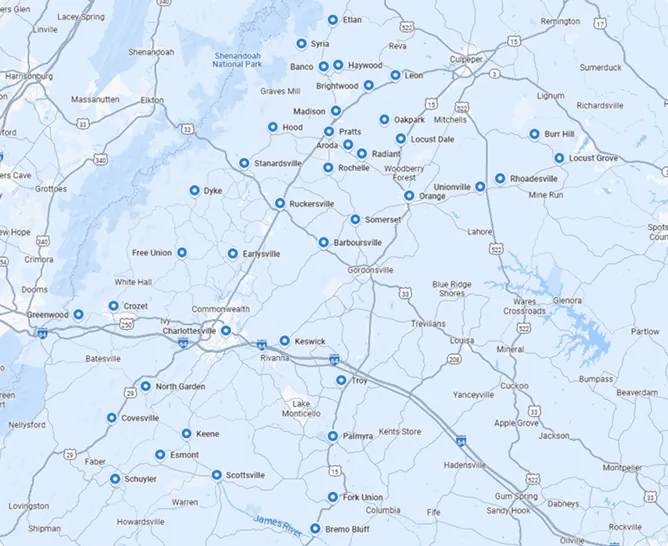
Service areas