

Choose an option to see quick actions and get help faster.


That First Chilly Night: Is a Burning Smell Normal?
Is your heating system actually in danger, or is that alarming odor just a harmless seasonal quirk? If you are looking for common homeowner questions answered during the fall transition, the sudden burning smell on the first chilly night is almost always at the top of the list. You switch your thermostat from cooling to heating for that first October heating startup, and within minutes, a distinct, smoky scent fills the house. Before you panic and assume the worst, it helps to understand exactly what is happening inside your unit. While you are transitioning your home's climate control for the winter, you might also be reflecting on the performance of your air conditioning solutions from the summer. Understanding how your system operates across all seasons is the first step toward peace of mind.
Why Your Heater Smells Like Burning Dust After Summer
To understand the source of that unsettling smell, you have to look at what your heating system has been doing for the past several months: absolutely nothing. While your air conditioner was running all summer, the heating components inside your central unit sat idle in the dark. During this long period of inactivity, airborne particles inevitably settle on the internal surfaces.
The Physics of Settling Dust
Every home has a constant circulation of microscopic debris. Pet dander, fabric fibers, dead skin cells, cooking aerosols, and general household dust get pulled into your return vents. Even with a high-quality air filter in place, a tiny percentage of these particles make it past the filter media. Over the span of a long summer, these microscopic particles accumulate on the stationary surfaces of your heating components—specifically the heat exchanger in a gas furnace or the electric resistance heating elements in a heat pump air handler.
The Charlottesville Humidity Factor
Regional climate plays a massive role in how severe this startup odor will be. Here in Charlottesville VA, our team at Airflow Systems, Inc. regularly sees how the local climate impacts HVAC equipment. Our humid subtropical summers frequently exceed 70% humidity, and this heavy moisture in the air changes the behavior of household dust. Instead of remaining loose and powdery, the high humidity causes dust and particulates to cake and stick stubbornly to idle heating components. The moisture acts like a mild adhesive, binding the dander and dirt directly to the metal surfaces of your heat exchanger or heating strips.
The Ignition Process
When the first cold front arrives and your thermostat signals for heat, those internal components rapidly heat up to hundreds of degrees. The sudden spike in temperature instantly incinerates the caked-on layer of summer dust. What you are smelling through your vents is quite literally the flash-burning of months of accumulated debris. The process differs slightly depending on your equipment. If you rely on a gas furnace, the exterior of the metal heat exchanger gets hot enough to bake off the dust. If you recently invested in a heat pump installation, the smell typically comes from the auxiliary electric heat strips, which glow red-hot like the inside of a toaster to provide supplemental warmth. In both cases, the incineration of this sticky, humid dust creates a very distinct, temporary odor.
How Long Should the Burning Odor Last?
Knowing that the smell is likely just burning dust is comforting, but how long should you tolerate it before getting worried? In our years of keeping Charlottesville homes comfortable, providing honest recommendations has become a core part of how we do business. That means we want to be entirely transparent: you do not need to pay for a service call if the smell is just dust and clears within 45 to 60 minutes.
The Normal Dissipation Timeline
During a typical first October heating startup, the initial blast of odor will be the strongest within the first five to ten minutes of operation. This is when the bulk of the caked-on dust flashes off the heating elements. Over the next 20 to 30 minutes, the smell should noticeably weaken, transitioning from a strong burning scent to a faint, warm, dusty aroma. By the time the system has run continuously for 45 to 60 minutes, the smell should dissipate entirely.
Ventilation Strategies
Because the smell of burning dust can be unpleasant and slightly irritating to sensitive sinuses, it is a good idea to temporarily ventilate your home. Crack a few windows on opposite sides of the house to create a cross-breeze, and turn on ceiling fans to help cycle the air. The goal is to flush the incinerated particulate matter out of your living space quickly while the system finishes its burn-off cycle.
When Does It Cross the Line?
The 60-minute mark is your primary diagnostic threshold. If your heater has been running for over an hour and the smell is just as strong as when it started, or if the smell vanishes but returns every single time the heater cycles on over the next few days, it is no longer a harmless dust burn-off. Persistent odors indicate that something is actively overheating, melting, or burning inside the cabinet, moving the situation from a normal seasonal quirk to a potential safety hazard.
The Sensory Checklist: Safe vs. Dangerous Smells
According to the National Fire Protection Association (NFPA), heating equipment is a leading cause of home fires. This statistic highlights exactly why properly identifying unusual odors matters so much. You need to be able to distinguish between the harmless scent of a dusty heater and the critical warning signs of an electrical or mechanical failure. Use this sensory checklist to evaluate what you are smelling.
• Warm, dusty radiator / Lightly singed lint — Likely Cause: Summer dust burning off the heat exchanger or heat strips. — Danger Level: Safe (Normal) — Action Required: Monitor for 30-60 minutes; ventilate home.
• Acrid, melting plastic / Burning Tupperware — Likely Cause: Failing capacitor, melting wire insulation, or foreign object in duct. — Danger Level: Dangerous — Action Required: Shut off system immediately; call a professional.
• Sharp electrical ozone / Overheated electronics — Likely Cause: Failing blower motor, seized bearings, or short-circuiting control board. — Danger Level: Dangerous — Action Required: Shut off system immediately; call a professional.
• Rotten eggs / Sulfur (Gas Furnaces Only) — Likely Cause: Natural gas leak near the furnace or gas line. — Danger Level: Critical Emergency — Action Required: Evacuate home; call gas company and 911.
The key difference lies in the sharpness of the scent. Dust smells earthy, dry, and distinctly like warm lint. Electrical and plastic fires smell sharp, toxic, and acrid, often causing an immediate physical reaction like stinging eyes or a scratchy throat.

When to Shut Off Your System and Call a Professional
If your sensory evaluation points toward melting plastic, electrical ozone, or burning rubber, you must take immediate action. These odors are the physical byproducts of components actively destroying themselves. Ignoring these warning signs can lead to catastrophic equipment failure, severe property damage, or a dangerous house fire. Follow these specific steps to secure your home.
1. Turn off the system at the thermostat: Do not just turn down the temperature; switch the thermostat entirely to the "OFF" position. This stops the call for heat and cuts the low-voltage signal to the equipment.
2. Shut off the breaker (if the smell persists): If you still hear the blower motor running or the smell continues to intensify after the thermostat is off, locate your home's electrical panel and flip the dedicated breaker for the furnace or air handler to the off position.
3. Do not attempt DIY diagnostics: Modern HVAC systems operate on high-voltage electricity and contain complex, sensitive control boards. Opening the cabinet to poke around for melted wires is incredibly dangerous. Never attempt DIY electrical or HVAC repairs that require a licensed professional.
4. Schedule a safety inspection: Contact a licensed technician to perform a comprehensive diagnostic.
What the Technician Will Look For
When one of our Airflow Systems technicians arrives, we conduct a thorough safety inspection to isolate the root cause. We will test the blower motor to see if the internal bearings have seized, causing the motor to overheat and emit an electrical burning smell. We will inspect the wiring harnesses for frayed insulation or loose connections that cause dangerous electrical arcing. We will also test the capacitors, which can bulge, leak, and emit a strong melting plastic odor when they fail. By relying on a professional, you ensure that the actual root cause is addressed safely and correctly.
Preventing Fall Startup Odors and Improving Air Quality
While a brief dust burn-off is normal, you do not have to simply accept a smelly house every October. There are proactive steps you can take to minimize startup odors and protect your family's respiratory health. The Environmental Protection Agency (EPA) provides strict guidelines on indoor air quality, noting that regular HVAC maintenance is critical for reducing indoor pollutants.
The Importance of Air Filters
The single most effective way to reduce startup odors is to change your air filter before initiating the first heating cycle. A clogged, dirty filter from the summer does two dangerous things. First, it allows more dust to bypass the media and settle on the heat exchanger. Second, it severely restricts the airflow moving over the heating elements. Without adequate airflow to carry the heat away, the internal components run significantly hotter than designed, which bakes the settled dust much harder and creates a much stronger burning smell. Always start the heating season with a fresh, high-efficiency filter.
Professional Pre-Winter Inspections
Scheduling a professional pre-winter inspection is the best defense against both startup odors and unexpected breakdowns. During a maintenance visit, our technicians will clean the internal cabinet, clear away excessive dust buildup from the heat exchanger, and wipe down the blower assembly before you ever turn the heat on. This removes the fuel for the burning smell before it can ignite.
Evaluating Whole-Home Efficiency
If you constantly battle excessive dust, high humidity, and poor indoor air quality regardless of how often you change your filters, the problem might be larger than your HVAC cabinet. Leaky ductwork, poor insulation, and improper ventilation can constantly pull dirty, humid air into your living space. Exploring comprehensive home energy audits can help you identify exactly where your home is losing efficiency and allowing external contaminants to enter, giving you a roadmap to a cleaner, fresher-smelling home.
Do Ductless Systems Experience the Same Startup Odors?
Homeowners utilizing alternative heating setups often wonder if the rules change for their equipment. If you rely on mini split systems, you might experience a slightly different fall startup process. Because ductless units do not rely on a central network of hidden ductwork to distribute air, they generally blow less ambient household dust around the home.
However, the indoor wall cassettes still contain electric heating coils that sit idle during the cooling season. Just like a central system, these coils collect dust and will produce a minor burn-off smell during their first heating cycle. The odor is typically much less pronounced than a central gas furnace, but it is still a normal operational quirk. The best way to mitigate this in a ductless setup is to routinely wash the reusable mesh filters located under the front panel of the wall unit. Keeping these filters clean ensures proper airflow and minimizes the amount of debris that reaches the internal coils.
Where Ductless Heating Works Best
Ductless technology offers incredible efficiency and zoned control, making it particularly valuable during unpredictable shoulder seasons when you might only need heat in a single room. If you are considering expanding your system or upgrading a specific zone, researching the best rooms for a mini split system can help you strategically deploy targeted heating without worrying about massive dust accumulation in sprawling ductwork.
Frequently Asked Questions About Fall Heating Startup
Is it normal for a heater to smell like burning?
Yes, a brief burning smell is entirely normal during the first few uses of the season. This odor is caused by the system burning off the layer of dust and dander that settled on the heating elements over the summer. As long as the smell resembles warm, dusty lint and dissipates within an hour, it is a harmless operational quirk rather than a safety threat.
How long does the burning smell last when you turn on the heat?
The normal dust burn-off smell should last between 30 and 60 minutes. The odor will be most intense during the first ten minutes of operation and will gradually fade to a faint dusty scent. If the smell persists past the one-hour mark of continuous operation, you should shut the system down and investigate further.
What does an electrical fire in a furnace smell like?
An electrical fire produces a sharp, acrid odor that smells strongly of melting plastic, burning rubber, or metallic ozone. Unlike the earthy smell of burning dust, an electrical odor is toxic and irritating, often causing a physical reaction in your nose or throat. If you detect this specific scent, turn off the equipment immediately at the thermostat.
Can a dusty heater catch on fire?
While the standard layer of summer dust burning off a heat exchanger is safe, an excessively neglected system poses a severe risk. If the system is heavily clogged with debris, pet hair, and lint due to years of operating without an air filter, that heavy accumulation can ignite. This is why regular filter changes and professional cleanings are essential for fire prevention.
When should I call a professional for furnace smells?
You should call a professional immediately if you smell melting plastic, burning wires, or rotten eggs (which indicates a gas leak). You should also schedule a service call if the standard dusty burning smell lasts longer than an hour, or if the odor returns every time the heater cycles on over several days.
Does turning up the thermostat make the burning smell go away faster?
No, turning the thermostat to a higher temperature will not make the initial burn-off process happen any faster. The heating elements reach their maximum operating temperature regardless of whether you set the thermostat to 68 degrees or 80 degrees. Setting it higher only forces the system to run longer, which will not accelerate the incineration of the dust.
Get Honest Answers for Your Heating Concerns
While a brief, dusty odor during your first fall heating cycle is completely normal, you should never ignore persistent, acrid, or electrical smells. If you are ever unsure whether an odor is safe or dangerous, shut the unit down. At Airflow Systems, Inc., our team is committed to providing honest, transparent diagnostics without unnecessary upselling. Reach out to our team today for a thorough safety inspection, and ensure your home stays warm, safe, and comfortable all season long.
Book Expert Service Or Contact Us
Our Service Process
A Hassle-Free Service Experience
01
Consultation & Diagnosis
We start by listening to your needs and performing a thorough diagnosis of your system to recommend the best solution.
02
Transparent Quoting
We provide a clear, upfront estimate with no hidden fees, so you know exactly what to expect.
03
Expert Service & Follow-Up
Our factory-trained technicians complete the work to the highest standards, and we follow up to ensure your complete satisfaction.
testimonials
What Our Customers Are Saying
Our customers consistently praise our exceptional service and attention to detail, making us a trusted choice for all your HVAC needs.
where we operate
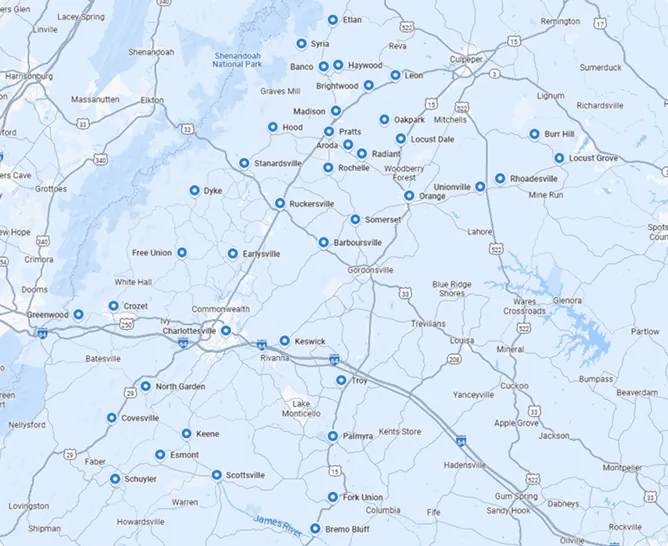
Service areas