How can we help today?Choose an option to see quick actions and get help faster.
Dual-Fuel Heating Explained
Discover how dual-fuel heating combines a heat pump and a gas furnace to optimize efficiency and comfort throughout the winter heating season.
Learn · Quick answer
A dual-fuel heating system pairs an electric heat pump with a gas furnace. The heat pump handles mild weather, and the system automatically switches to the gas furnace when temperatures drop, optimizing both energy efficiency and indoor comfort.
What Is a Dual-Fuel Heating System?
A dual-fuel heating system combines an electric heat pump with a gas furnace. This setup alternates between energy sources to heat a home, adapting to outdoor weather conditions to maintain indoor comfort efficiently.
Traditional heating setups usually rely on a primary source, like a standalone furnace or a heat pump paired with electric resistance backup. A dual-fuel system merges the strengths of a heat pump and a combustible fuel furnace. During mild cold weather, the heat pump extracts ambient heat from the outside air and transfers it indoors. Because moving heat requires less energy than generating it, the heat pump operates efficiently. As the outdoor air becomes colder, extracting heat becomes difficult. This is where the gas furnace steps in, switching to burning natural gas or propane.
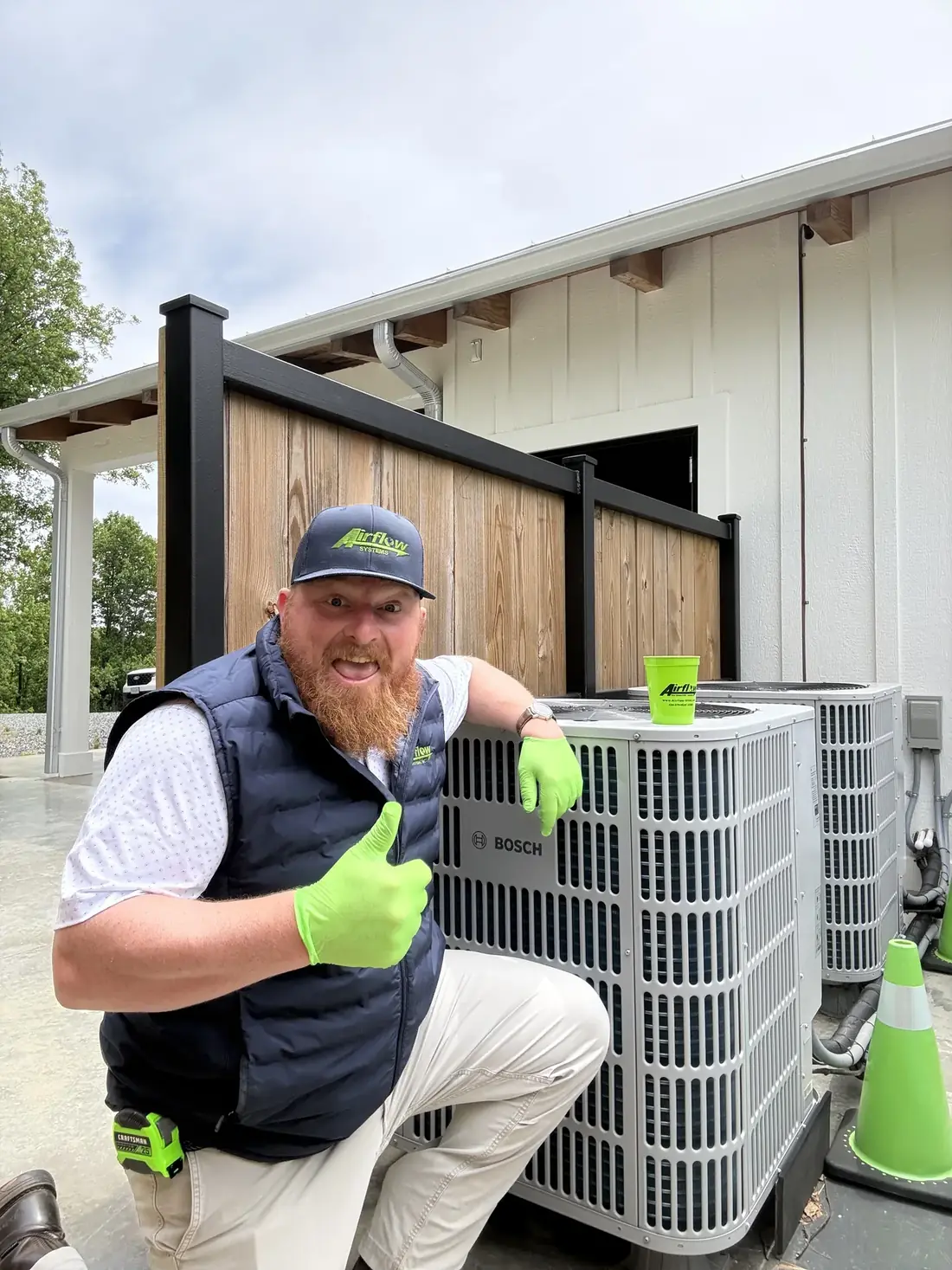
To a homeowner, a dual-fuel system looks like a standard central air conditioning and heating setup. There is an outdoor unit housing the heat pump compressor and condenser coil, and an indoor unit containing the furnace and blower motor. The heat pump outdoor unit handles cooling in the summer and heating in mild winter weather. The indoor furnace acts as the air handler year-round, pushing conditioned air through the ductwork, while its burners only ignite when gas heating is necessary.
How Does the Heat Pump Component Work?
The heat pump operates by transferring heat rather than generating it. Using a continuous refrigerant cycle, it absorbs thermal energy from the outdoor air, compresses it to raise the temperature, and releases it inside the home.
The process begins at the outdoor coil, where liquid refrigerant evaporates into a gas as it absorbs heat from the surrounding air. The compressor then pressurizes this warmed refrigerant gas, increasing its temperature. This hot, pressurized gas travels through copper lines to the indoor coil located above or beside the furnace. As the furnace blower motor forces indoor air over this hot coil, the heat transfers into the air stream and distributes throughout the home via the ductwork. As the refrigerant releases its heat, it condenses back into a liquid and returns outside to repeat the cycle.
A defining feature of a heat pump is the reversing valve. This component allows the system to reverse the flow of refrigerant, changing the function of the indoor and outdoor coils. During warmer weather, the heat pump acts exactly like an air conditioner, absorbing heat from inside the home and releasing it outdoors. This dual capability makes the heat pump an integral part of the home's climate control. Read our guide on how a heat pump works in winter to learn more.
When Does the Gas Furnace Take Over?
The gas furnace activates when outdoor temperatures drop to a point where the heat pump can no longer efficiently extract enough heat. This transition point is known as the balance point, and it dictates which heating method operates.
The balance point is a specific temperature threshold determined by the system's design and the home's heating requirements. Above this temperature, the heat pump has enough capacity to keep the home comfortable on its own. Below this temperature, the heat pump's capacity decreases. When the outdoor temperature falls below the balance point, the system automatically shuts down the heat pump compressor and ignites the gas furnace. The furnace then takes over the heating load entirely.
Unlike the heat pump, which moves existing heat, the furnace generates heat through combustion. Natural gas or propane flows into the burner assembly and ignites. The resulting flames heat a metal component called the heat exchanger. The blower motor pushes return air from the home over the exterior of the hot heat exchanger. The air absorbs the heat and travels through the supply ducts to warm the living spaces. The byproducts of combustion remain contained inside the heat exchanger and vent out through a flue pipe. For more insights, review our heat pump vs. gas furnace decision framework.
What Are the Efficiency Benefits of Dual-Fuel Heating?
Dual-fuel systems optimize energy consumption by using the most efficient heating source for the current weather. This flexibility reduces reliance on combustible fuels during mild weather while avoiding the heavy electricity draw of auxiliary resistance heating during severe cold.
Heat pumps are efficient in moderate temperatures because they use electricity merely to power the compressor and fans, rather than to create heat. Modern heat pumps are rated by HSPF2, which measures heating efficiency over a typical season. However, as temperatures drop, a heat pump's efficiency declines. In a standard heat pump system, electric resistance strips activate to supplement the heating load. These strips consume a significant amount of electricity during prolonged cold snaps.
By substituting a gas furnace for electric resistance strips, a dual-fuel system avoids that heavy electrical draw. Gas furnaces provide consistent heat regardless of how cold it gets outside. While burning fuel is generally less efficient than moving heat, it becomes the more practical option when the heat pump loses its efficiency advantage. The system constantly balances the energy use of electricity versus natural gas or propane. Explore Heat Pump Installation & Replacement options to see how a dual-fuel configuration could fit your home.
When Should You Call a Professional for Your System?
You should contact a professional if your system fails to switch between heating modes, produces unusual noises, or struggles to maintain the set temperature. Complex dual-fuel setups require specialized diagnostic tools to identify and resolve underlying mechanical or electrical issues.
Before calling for service, homeowners can perform basic checks. Verify that the thermostat is set to heating mode and that the temperature setting is correct. Check the air filter; a clogged filter restricts airflow, which can cause the heat pump coils to freeze or the furnace to overheat and shut down on a limit switch trip. Make sure that all indoor supply and return vents are open and unobstructed by furniture or rugs. Additionally, inspect the outdoor heat pump unit to verify it is clear of debris or leaves that could block airflow.
If these basic checks do not resolve the issue, a technician is required. Dual-fuel systems involve high-voltage electricity, pressurized refrigerants, and combustible gases, making DIY repairs inadvisable. A technician can check the refrigerant charge, inspect the furnace heat exchanger for cracks, test the reversing valve, and verify that the thermostat is communicating correctly with the equipment. Regular maintenance is also vital for keeping the heat pump and the furnace operating properly. Our furnace replacement cost guide provides helpful context on equipment factors if you are considering a replacement.
Whether you need routine maintenance or complex repairs, or are considering upgrading to a dual-fuel system, professional guidance helps keep your equipment operating properly. For professional assistance with your heating and cooling needs, talk with Airflow Systems at (434) 979-4328.
Frequently asked questions
What is a dual-fuel heating system?
A dual-fuel system combines an electric heat pump with a gas furnace. The heat pump provides efficient heating during mild weather, and the system automatically switches to the gas furnace when temperatures drop, optimizing comfort and energy use.
Can a dual-fuel system also cool my home in the summer?
Yes. The heat pump component of a dual-fuel system functions exactly like a standard air conditioner during warmer months. It absorbs heat from inside the home and releases it outdoors, providing complete cooling capabilities.
How does the system know when to switch from the heat pump to the furnace?
A compatible thermostat monitors the outdoor temperature. When the temperature falls below a pre-set threshold known as the balance point, the thermostat automatically locks out the heat pump and activates the gas furnace to handle the heating load.
Why not just use a heat pump for all heating?
While heat pumps are efficient in mild weather, their efficiency decreases as temperatures drop. In severe cold, standard heat pumps rely on electric resistance strips, which consume significant electricity. A gas furnace provides a more practical alternative for extreme cold.
Do I need special ductwork for a dual-fuel system?
No, dual-fuel systems utilize standard central ductwork. The indoor furnace acts as the air handler year-round, using its blower motor to push both the heated and cooled air through the existing supply and return ducts in your home.
Ready When You Are.
One call reaches Charlottesville's premier WaterFurnace partner. We repair, replace, and maintain heating, cooling, and geothermal systems across Charlottesville and Central Virginia & the Blue Ridge — Mon–Fri, 7:30 AM – 4:00 PM.
- 100%Satisfaction
- FamilyOwned & operated
- M–F7:30 AM – 4:00 PM