How can we help today?Choose an option to see quick actions and get help faster.
Fall Furnace Prep Checklist
A practical fall furnace prep checklist to help you transition your heating system smoothly into the cooler months.
Act · Quick answer
Preparing your furnace for fall involves checking your thermostat settings, replacing the air filter, and clearing the area around your indoor and outdoor equipment.
Why is a fall furnace prep checklist important?
A fall furnace prep checklist helps you transition your heating equipment smoothly. Taking simple steps before turning on your heat can improve airflow and help you notice simple problems before cold weather.
During the transition from cooling to heating, your furnace has likely been sitting idle. Dust can settle on internal components, and airflow pathways might have changed. A checklist gives you a clear path to confirm that the basic homeowner-accessible parts of your heating setup are ready for operation. You might notice unusual smells, strange noises, or uneven heating during that initial startup. Taking time to review your system helps you understand its current condition. Going through a checklist helps you catch simple obstructions before you demand heavy heating. It also familiarizes you with the normal sounds and smells of your equipment, making it easier to identify when something requires professional attention.
How do you check your thermostat settings for heating?
Checking your thermostat involves setting the device to heat mode and adjusting the target temperature. This basic step confirms the communication between your control unit and the furnace is functioning properly.
Your thermostat acts as the command center for your entire heating and cooling setup. Before operating your system in cold weather, it is helpful to test this connection. Switch the device from cooling to heating mode and raise the target temperature slightly above the current room temperature. You should hear the furnace engage after making this adjustment. If the furnace does not respond, check to see if the device has a blank screen. Modern thermostats offer various settings that dictate how your furnace operates. Reviewing these settings during your fall prep allows you to adjust schedules that may have been set for cooling. Updating your schedule now prevents the furnace from running unnecessarily.
When should you change your furnace air filter?
You should check your furnace air filter before the heating season begins and replace it if it appears dirty. A clean filter promotes proper airflow and helps your equipment operate without unnecessary strain.
The air filter plays a critical role in your heating system by trapping dust and airborne particles before they enter the blower motor. Over time, this filter becomes saturated with debris. Restricted airflow can cause overheating and may cause the system to shut down prematurely. Starting the season with a fresh filter gives your furnace a clean slate. To check the filter, locate the slot where it slides into the return air duct or the furnace cabinet. Pull the filter out and hold it up to a light source. If light cannot pass through the material, it is time for a replacement. Make sure the new filter matches the dimensions of the old filter. You can read our blog post on how to change your air filters for additional context.
What should you clear away from your heating equipment?
You should remove any stored items, boxes, or debris from the area directly surrounding your indoor furnace. Keeping this space clear promotes proper ventilation and allows for easy access.
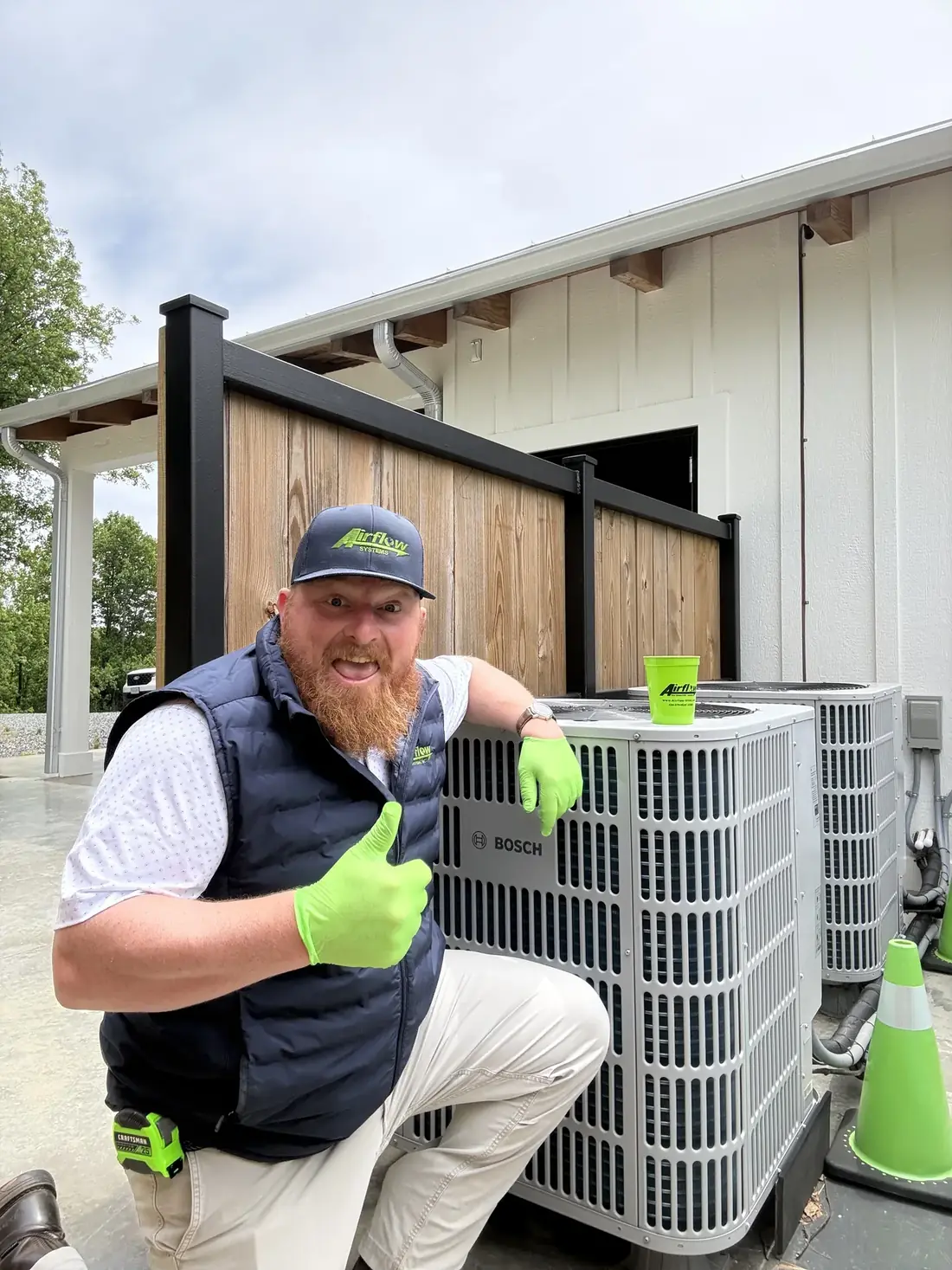
Over the summer, it is easy to accumulate boxes or cleaning supplies near the heating equipment. However, furnaces require adequate space to draw in air and ventilate properly. Items placed too close to the unit can restrict this necessary airflow. Take a walk around your indoor unit and clear away any objects. Maintain a wide, clear perimeter around the entire cabinet. If you have a heat pump or a dual-fuel setup, you must also check the outdoor unit. Clear away any yard waste and trim back bushes to give the outdoor unit adequate space for airflow. The outdoor unit relies on pulling air through its coil fins to transfer heat. When leaves or overgrown vegetation block these fins, the system struggles to operate correctly.
How can you check your air vents and registers?
Checking your air vents involves walking through your home to confirm that all supply and return registers are open and unobstructed. Unblocked vents allow heated air to circulate throughout your living spaces.
If supply or return vents are blocked, the air cannot circulate properly, causing uneven temperatures and increased pressure within the duct system. Walk through each room and locate the vents. Make sure the louvers are open. It is generally advisable to keep all vents open to maintain balanced airflow. Next, look for any furniture, rugs, or curtains that might be covering the vents. Rearrange your furniture if necessary to give the vents clearance. You should also check the return grilles, which must remain completely unobstructed so the furnace can draw in enough air. You can explore this topic further in our blog post about decoding the airflow problem when a room stays hot.
What are common signs your furnace needs attention?
Common signs include strange noises, unusual odors that persist after the initial startup, and uneven heating across different rooms. If your furnace cycles on and off rapidly, it may also require professional attention.
If an odor is strong or persists, you should turn the system off and seek guidance. Similarly, pay attention to the sounds your furnace makes. Grinding, squealing, or rattling noises are not part of normal operation. Another symptom to watch for is short cycling, which occurs when the furnace turns on, runs, and then shuts off before reaching the target temperature. Uneven heating can also signal that the furnace is struggling to distribute air effectively. For more information on startup odors, you can read our blog post on normal heating startup smells vs hazards.
When should you call a professional?
You should call a professional when your furnace fails to turn on, produces persistent strange odors, or exhibits mechanical noises. A professional can address underlying issues.
While a homeowner checklist covers the accessible components like filters and vents, a professional can help. If you have completed your basic prep and the furnace still does not operate correctly, it is time to bring in a professional. Attempting to diagnose internal components yourself can cause further complications. Ask about the Annual Tune-Up & System Evaluation. If you are considering an upgrade, you might find our furnace replacement cost guide useful. You can also learn more about our furnace repair and service options.
If you need assistance with your heating equipment this fall, talk with Airflow Systems about your options. You can reach Airflow Systems through our contact page or by calling (434) 979-4328.
Frequently asked questions
Why does my furnace smell when I turn it on in the fall?
When a furnace sits idle, dust settles on the internal components. Turning the system on causes this dust to burn off, creating a faint odor. If the odor is strong or persists, turn the system off and seek professional guidance.
Can I leave my air vents closed in unused rooms?
It is generally advisable to keep all supply and return vents open. Closing vents can restrict airflow, causing uneven temperatures and increased pressure within your duct system. Open vents allow your equipment to distribute air properly throughout your home.
How do I know if my furnace air filter is dirty?
You can check your air filter by pulling it out of the slot and holding it up to a light source. If light cannot pass through the material, the filter is saturated with debris and it is time for a replacement.
What should I clear away from my outdoor heat pump?
You should clear away any yard waste, leaves, twigs, and overgrown vegetation from the area directly surrounding your outdoor unit. Trimming back bushes gives the equipment plenty of room to breathe and promotes proper airflow.
When should I seek professional furnace assistance?
You should seek professional assistance if your furnace fails to turn on, produces persistent strange odors, or makes unusual mechanical noises. A professional can address underlying issues.
Ready When You Are.
One call reaches Charlottesville's premier WaterFurnace partner. We repair, replace, and maintain heating, cooling, and geothermal systems across Charlottesville and Central Virginia & the Blue Ridge — Mon–Fri, 7:30 AM – 4:00 PM.
- 100%Satisfaction
- FamilyOwned & operated
- M–F7:30 AM – 4:00 PM