How can we help today?Choose an option to see quick actions and get help faster.
What Is Actually in an HVAC Tune-Up?
Understand the core components of routine HVAC maintenance and what homeowners can do to prepare their heating and cooling equipment for changing seasons.
Act · Quick answer
An HVAC tune-up involves professional attention to the internal components of your heating and cooling equipment. Homeowners can support this process by changing air filters, adjusting thermostat settings, and keeping the area around outdoor units clear of debris.
What is the purpose of routine HVAC maintenance?
Routine maintenance addresses mechanical wear and tear. Routine attention helps your heating and cooling equipment operate as designed, supporting consistent temperature control during hot weather and cold weather.
Heating and cooling systems contain moving parts, electrical connections, and airflow pathways. As these systems run, they accumulate dust and undergo mechanical stress. The blower motor circulates air, the compressor pressurizes refrigerant, and the coils transfer heat. Each component requires a clean environment and proper airflow. When dust builds up on internal components, the system must work harder to achieve the temperature set on your thermostat. This added strain changes how the equipment operates. The blower motor may draw more power, and the heat transfer process may slow down. Addressing these changes through routine air conditioning maintenance helps keep the system operating within its designed parameters.
What does a technician typically check during a tune-up?
A professional evaluates internal components that homeowners cannot safely access. This process involves inspecting mechanical parts, electrical connections, and airflow pathways to support proper equipment operation.
During a standard visit, general industry practice involves several key steps. A technician can check the refrigerant charge to confirm it meets manufacturer specifications. They can also clean the indoor and outdoor coils, which supports the heat transfer process. A technician can test electrical components such as capacitors and contactors and measure motor amp draw. Additionally, they can inspect the condensate drain line and clear any blockages to prevent water from backing up. These technical steps go beyond seasonal homeowner checklists and require specialized tools and training.
What can a homeowner check before calling a professional?
Homeowners should focus on air filters, thermostat settings, and visible obstructions around outdoor units. Leave internal components, electrical wiring, and gas connections to a professional.
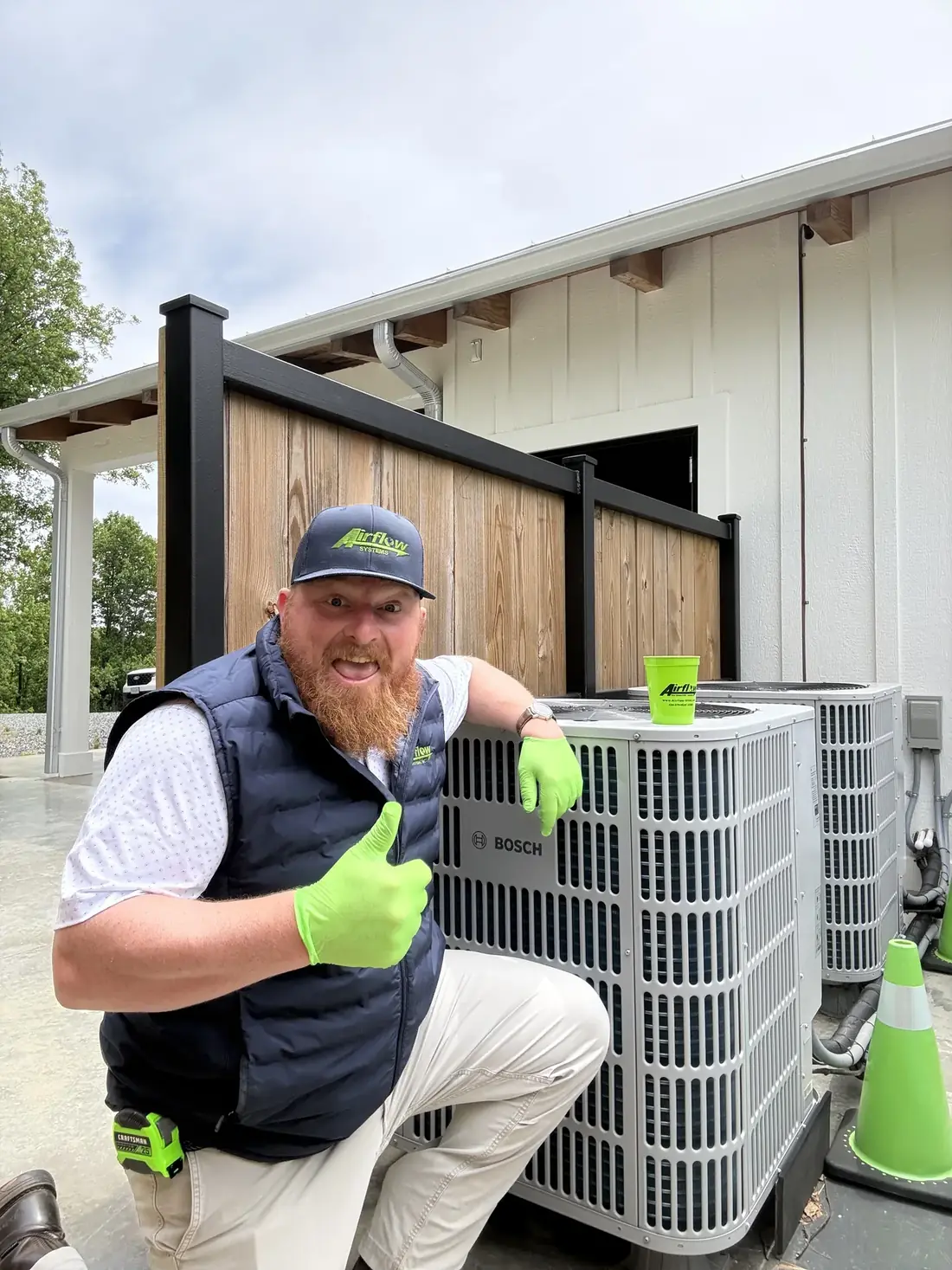
The most important task a homeowner can perform is replacing the air filter. A clean filter allows air to flow without restriction through the ductwork and over the internal coils. You can also check your thermostat to confirm it is set to the correct mode for the current season. Additionally, you can walk outside and look at your outdoor heat pump or air conditioning unit. The outdoor equipment needs clear space to pull in air and release heat. If leaves, branches, or tall grass surround the unit, you can clear these visible obstructions. However, you should never open the equipment panels or attempt to clean the internal electrical components. Homeowner checks are strictly limited to the exterior of the unit and the accessible air filter compartment.
Why are air filters so important for system operation?
Air filters protect the internal blower motor and coils from dust and debris. A clogged filter restricts airflow, forcing the equipment to alter its operating cycle to condition your home.
While a filter captures airborne particles, its primary function is protecting the HVAC equipment itself. The blower motor pulls air from your home through the return ducts, pushes it through the filter, and then forces it over the indoor coil. If the filter is covered in a thick layer of dust, the blower motor faces increased resistance. This resistance reduces the volume of air passing over the coil. In cooling mode, reduced airflow can cause the indoor coil to become too cold, which can lead to ice formation. In heating mode, restricted airflow can cause the heat exchanger to retain too much heat, triggering safety switches. Changing the filter supports proper airflow. For more details, read our spring AC prep checklist.
How does airflow affect indoor comfort?
Proper airflow distributes conditioned air evenly throughout your living space. When airflow is restricted by dirty filters or blocked vents, some rooms may feel too warm or too cold.
Your ductwork acts as a delivery system for conditioned air. The blower motor pushes air through the supply ducts and out of the vents in each room. For this process to work, the air must be able to circulate without restriction. If furniture, rugs, or curtains block the supply vents, the conditioned air cannot mix with the air in the room. If return vents are blocked, the system cannot pull enough air back to be conditioned again. Some homeowners try to control temperatures by closing vents in unused rooms. This practice actually increases the pressure inside the ductwork, which changes how the blower motor operates. Keeping all vents open allows the system to distribute air properly. Learn more in our article on closing vents in unused rooms.
What happens to the outdoor unit during hot weather?
The outdoor unit releases heat absorbed from inside your home. If debris blocks the exterior coils, the system struggles to release that heat, altering the cooling cycle.
During hot weather, your air conditioner or heat pump absorbs heat from the indoor air and pumps it outside. A fan pulls outside air through a large coil to carry the heat away. For this heat transfer to occur, the metal fins on the outdoor coil must be clean and exposed to the air. If grass clippings or dirt coat the outside of the unit, they act as an insulating blanket that traps heat inside the coil. When the system cannot release heat properly, the compressor must work harder and run longer to achieve the desired indoor temperature. Keeping the area around the outdoor unit clear of vegetation supports the heat transfer process. Review our guide to cleaning your outdoor AC unit.
How do heating and cooling systems handle condensation?
Air conditioners and heat pumps remove moisture from the air, creating condensation. This water drains through a specific line, which can become clogged with dust or debris.
As warm indoor air passes over the cold indoor coil during the cooling cycle, moisture in the air condenses into liquid water. The condensation drips off the coil into a drain pan located beneath the equipment. The water then flows through a PVC condensate drain line and exits your home. Because the drain pan and line stay damp, they accumulate dust that bypasses the air filter. This mixture of dust and water can create blockages in the drain line. When the line clogs, the water backs up into the drain pan. Most modern systems have a switch that shuts the equipment off if the drain pan overflows. Keeping the drain line clear allows the system to manage condensation properly. Find more information in our guide on how to inspect your condensate drain line.
When should you call a professional?
You should call a professional when your system fails to turn on, makes unusual noises, or struggles to maintain the temperature set on your thermostat.
While homeowners can manage air filters and keep the outdoor unit clear of visible debris, the internal mechanics of an HVAC system require professional attention. Ice forming on the indoor coil or the outdoor unit during hot weather indicates a disruption in the refrigeration cycle or airflow. If the system runs without stopping and fails to reach the set temperature, or if you hear grinding or rattling noises from the equipment, these are signs of mechanical changes. A professional can help you weigh the options for your home and explain what is happening inside the equipment. For ongoing maintenance, you can ask about the Annual Tune-Up & System Evaluation.
Talk with Airflow Systems about your options. You can reach out through our contact page or call (434) 979-4328.
Frequently asked questions
Can a homeowner perform an HVAC tune-up?
Homeowners can replace air filters, adjust thermostat settings, and clear visible debris from around the outdoor unit. However, internal mechanical components, electrical wiring, and gas connections require professional attention.
Why does the outdoor unit need clear space?
The outdoor unit releases heat absorbed from inside your home. If leaves or tall grass block the exterior coils, the system struggles to release heat, which alters the cooling cycle and places strain on the compressor.
What happens if an air filter gets clogged?
A clogged air filter restricts airflow, forcing the blower motor to work harder against increased resistance. This can lead to ice formation on the indoor coil during cooling mode or trigger safety switches during heating mode.
Why is water dripping from the indoor HVAC equipment?
Air conditioners and heat pumps remove moisture from the air, creating condensation that drains through a PVC line. If this line becomes clogged with dust, water can back up into the drain pan and cause the system to shut down.
Does closing vents change how the HVAC system operates?
Yes. Closing vents in unused rooms increases the pressure inside the ductwork. This changes how the blower motor operates and prevents the system from distributing conditioned air properly throughout the house.
Ready When You Are.
One call reaches Charlottesville's premier WaterFurnace partner. We repair, replace, and maintain heating, cooling, and geothermal systems across Charlottesville and Central Virginia & the Blue Ridge — Mon–Fri, 7:30 AM – 4:00 PM.
- 100%Satisfaction
- FamilyOwned & operated
- M–F7:30 AM – 4:00 PM