How can we help today?Choose an option to see quick actions and get help faster.
Spring AC Prep Checklist
Learn how to prepare your air conditioning system for warmer weather with this simple homeowner checklist covering filters, thermostats, and outdoor units.
Act · Quick answer
You can prepare your air conditioning system for spring by replacing the indoor air filter, clearing visible debris away from the outdoor unit, and switching your thermostat to cooling mode. These simple steps help maintain proper airflow across the equipment.
What can you check around your outdoor unit?
You can look for visible obstructions like leaves, branches, and yard debris around the outdoor cabinet. Clearing these items away helps the equipment pull in the air it needs during the cooling cycle.
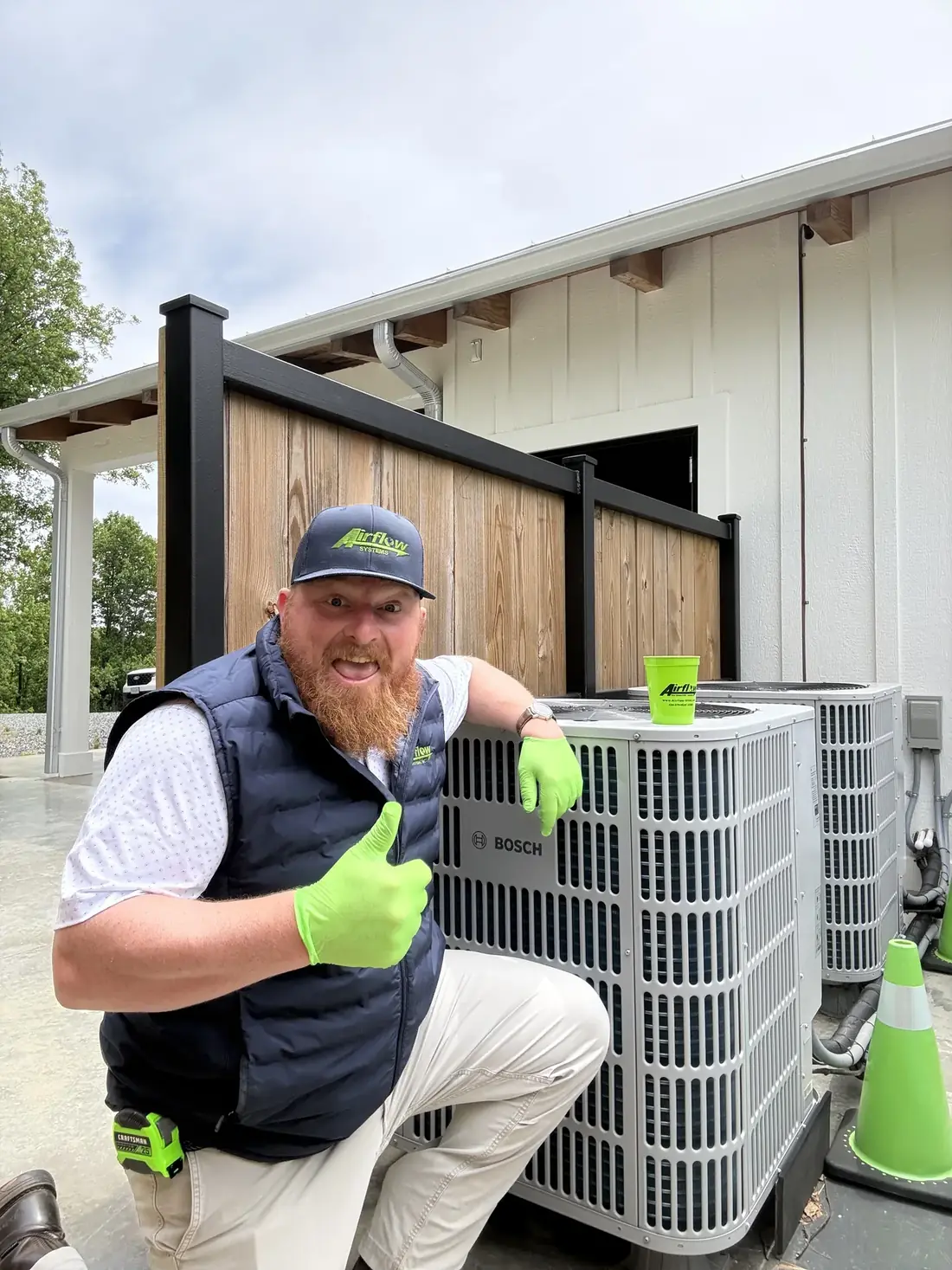
The outdoor portion of a central air conditioning system or a heat pump contains a coil and a fan. This equipment needs clear space to transfer heat from inside your house to the outside air. During the transition to warmer weather, you might find that yard waste has accumulated against the metal grilles. Shrubs and bushes might also grow too close to the cabinet. When the fan operates, it pulls air through the sides of the unit and exhausts it through the top. If debris blocks the grilles, the system cannot move enough air across the coil.
Gently remove any visible yard waste resting against the panels. You might also need to trim back nearby branches or bushes that have grown toward the cabinet. Maintaining a clear space around the entire unit allows the air to flow without restriction. Do not open the cabinet or attempt to clean the internal components yourself, as this involves electrical connections. Stick to clearing the surrounding area.
Why does the indoor air filter matter for cooling?
The indoor air filter traps dust and particles before they reach the blower motor and indoor coil. A clean filter allows air to circulate without restriction, while a clogged filter changes how the system operates.
Your cooling system relies on a blower motor to push conditioned air through the ductwork. The air filter sits between the return ducts and the blower. Its primary job is to catch airborne particles so they do not build up on the indoor coil or the motor. When the filter fills with dust and household debris, the material creates a physical barrier. Restricted airflow changes how the entire system operates. The blower motor has to push against the blockage, and the indoor coil may not receive enough warm air from the house. A severely clogged filter can cause the indoor coil to freeze.
Check your filter regularly and replace it when it becomes visibly dirty. You can read more about this process in our guide on how to check and replace your AC air filter. The indoor coil contains cold refrigerant during the cooling cycle. Warm air from your home must blow across this coil to be cooled. If a dirty filter slows the airflow, the coil gets too cold.
How should you prepare your thermostat for cooling?
You can prepare your thermostat by switching the system mode from heating to cooling. You can also adjust the temperature setting to a comfortable level for warmer weather and verify that the display has power.
The thermostat acts as the control center for your air conditioning system. You will need to manually switch the setting from heat to cool. After you switch the mode, lower the temperature setting until the cooling cycle engages. You should hear the indoor blower start, and you can step outside to confirm the outdoor fan is spinning. If the thermostat screen is blank, it might need fresh batteries to maintain the display and settings.
You can also review your programmed schedule if you use a programmable or smart thermostat. Adjusting the schedule for warmer weather helps the system operate when you need cooling. If you are considering an upgrade, talk with Airflow Systems about your options. Modern thermostats communicate with the indoor and outdoor equipment to maintain your desired temperature. When you switch to cooling mode, the thermostat sends a signal to the control board. The control board then activates the blower motor and the outdoor compressor. Checking the thermostat early in the season gives you time to address any communication issues before hotter weather arrives.
What signs indicate your air conditioner is struggling?
You might notice warm air coming from the vents or a system that runs constantly without reaching the target temperature. These signs suggest the equipment is not cooling the house.
Pay attention to how the system behaves when you turn it on. The air coming from the supply registers should feel noticeably cool. If the air feels lukewarm or room temperature, a professional can find the cause. You might also notice that the equipment runs continuously without ever satisfying the thermostat setting.
Unusual operation can also point to underlying issues. While every system makes some sound during startup and operation, loud grinding, squealing, or rattling sounds are not part of normal operation. Similarly, if you see ice forming on the indoor coil or the outdoor refrigerant lines, the system is experiencing an issue. Ice indicates a problem with airflow or refrigerant levels. If you notice any of these signs, you can read our AC troubleshooting tips before calling a pro or our guide on whether to repair or replace your AC to understand what might be happening.
What parts of an air conditioner require a professional?
The internal mechanisms of an air conditioner require a professional.
The system contains electrical contactors, capacitors, motors, and pressurized refrigerant. These components must work together to cool your home. A professional can help you weigh the options for your home if the system requires attention.
You can learn more about the broader context of system care in our guide on how to prep your HVAC for the cooling transition. Modern air conditioning systems are complex networks of electrical and mechanical parts. Electrical components like capacitors store and release energy to start the motors. Homeowners cannot access or manage these internal components safely.
When should you call a professional?
You should call a professional if your system fails to turn on, produces warm air, or makes strange noises. A professional can help you weigh the options for your home.
Some air conditioning issues require professional attention and specialized tools. If you have checked the thermostat and replaced the air filter, but the system still will not cool the house, it is time to seek assistance. Handling refrigerant, electrical components, and internal parts falls outside the scope of homeowner maintenance.
If you notice ice on the equipment, contact a professional. Running a frozen system can cause further complications. You should also leave any electrical issues to a professional. Dealing with electrical panels can be dangerous.
If you are dealing with a cooling issue or want to schedule your maintenance, talk with Airflow Systems about your options. You can reach out to schedule AC repair and service, ask about the Annual Tune-Up & System Evaluation, or discuss your equipment needs. Contact Airflow Systems at our contact page or call (434) 979-4328.
Frequently asked questions
What should I check around my outdoor AC unit in the spring?
You should clear away leaves, branches, and yard debris from the outdoor cabinet. Maintaining a clear space around the equipment allows the fan to pull in the air it needs during the cooling cycle.
Why is changing the indoor air filter important for cooling?
A clean air filter allows air to circulate without restriction. When a filter fills with dust and debris, it creates a physical barrier that restricts airflow. This changes how the system operates and can lead to a frozen indoor coil.
How do I prepare my thermostat for warmer weather?
You can prepare your thermostat by manually switching the system mode from heating to cooling. Lower the temperature setting until the cooling cycle engages. If the screen is blank, you might need to replace the batteries.
What are the signs that my air conditioner needs professional attention?
Signs of a struggling system include warm air coming from the vents, loud grinding or squealing noises, and ice forming on the coils or refrigerant lines. If you notice these issues, a professional can help you weigh the options for your home.
Can I clean the internal components of my outdoor unit myself?
You should not attempt to clean the internal components of your outdoor unit. The cabinet contains electrical connections and delicate parts. Stick to clearing visible yard waste from the surrounding area and leave internal maintenance to a professional.
Ready When You Are.
One call reaches Charlottesville's premier WaterFurnace partner. We repair, replace, and maintain heating, cooling, and geothermal systems across Charlottesville and Central Virginia & the Blue Ridge — Mon–Fri, 7:30 AM – 4:00 PM.
- 100%Satisfaction
- FamilyOwned & operated
- M–F7:30 AM – 4:00 PM