


Choose an option to see quick actions and get help faster.
.svg)
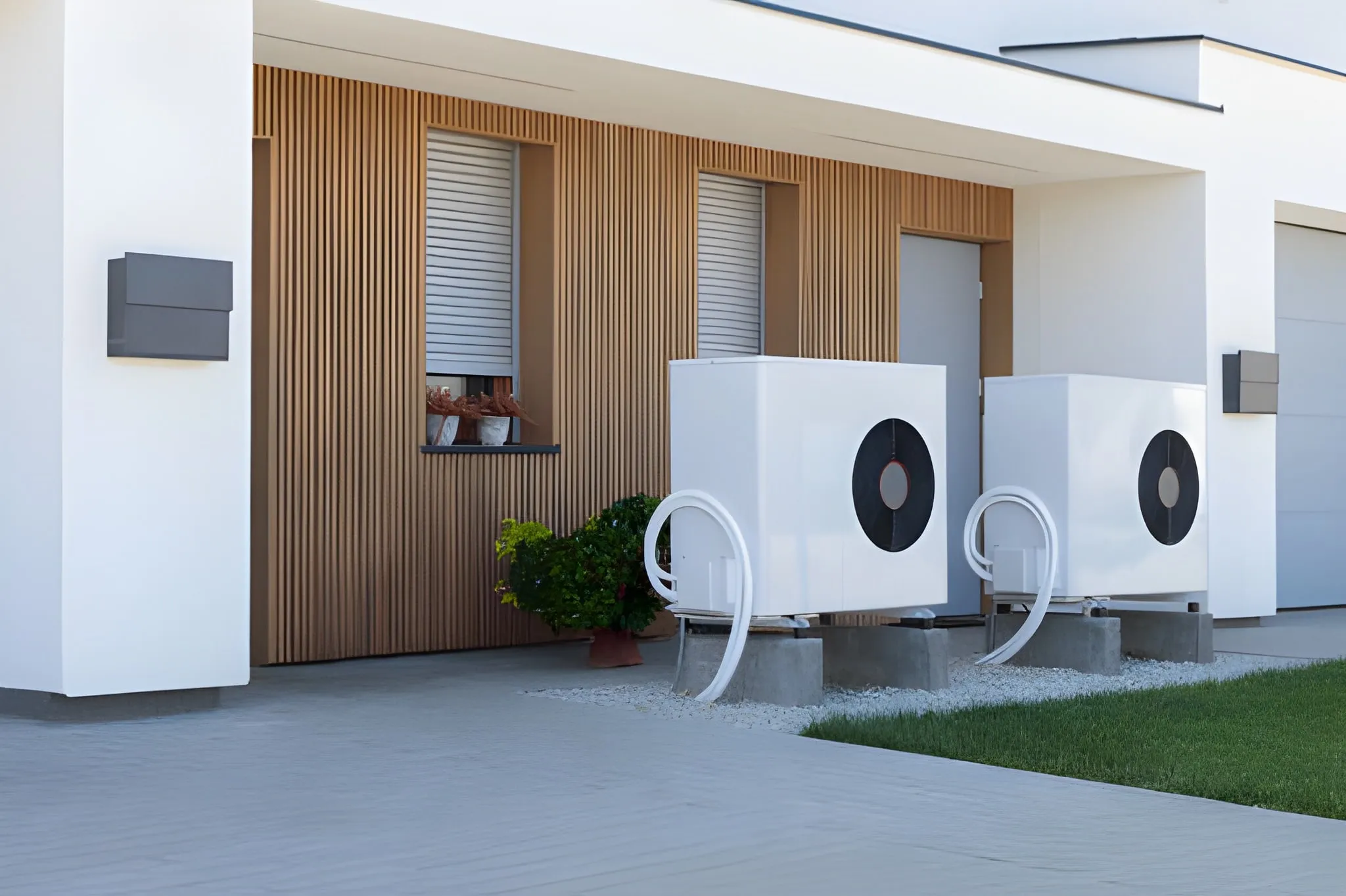
The Charlottesville Homeowner’s Guide to Heat Pump Systems
Choosing the right heating and cooling system for your Central Virginia home feels like a major decision, because it is. You're balancing upfront cost, long-term energy bills, and reliable comfort through our humid summers and surprisingly cold winters. You’ve likely heard more and more about heat pumps, but it can be hard to cut through the noise. Are they powerful enough for a Virginia winter? Are they really more efficient? What happens when something goes wrong?
Many homeowners start this journey by searching for answers to a specific problem—like a unit that’s not defrosting properly or a sudden spike in their energy bill. They aren't ready to schedule a service call; they're in the crucial evaluation stage, seeking to understand the technology and make a confident choice. This guide is built for you. It’s a straightforward resource from our NATE-certified experts, designed to give you the clarity you need, whether you're considering a new installation or trying to diagnose an issue with your current system.
Why Heat Pumps Are a Smart Choice for Central Virginia
Unlike a traditional furnace that burns fuel to create heat, a heat pump works by moving it. In the summer, it pulls heat from inside your home and transfers it outside, just like a standard air conditioner. In the winter, it reverses the process, extracting heat from the outdoor air—even when it's cold—and moving it inside.
This method of heat transfer is incredibly efficient. Instead of using a lot of energy to generate heat, it uses a smaller amount to run the compressor and fan that move it. For Charlottesville and Albemarle County homeowners, this translates into significant year-round energy savings. While older heat pumps struggled in near-freezing temperatures, modern systems are engineered to perform effectively even when winter temperatures dip, making them a viable and cost-effective primary heat source for our climate.
Is a Heat Pump Right for Your Home? Key Factors to Consider
Making the right choice starts with understanding the key performance factors and how they apply to your specific home. Many competitors focus on selling you a unit, but we believe in empowering you with knowledge first.
Proper Sizing is Non-Negotiable: In HVAC, bigger is not better. An oversized heat pump will cool your home too quickly, satisfying the thermostat before it has a chance to remove humidity. This leaves you with a cool but clammy feeling during our humid Virginia summers. An undersized unit will run constantly, struggling to keep up on the hottest and coldest days, driving up energy costs and straining the equipment. Our approach begins with a detailed load calculation to ensure your system is perfectly matched to your home’s size, insulation, and window layout for optimal comfort and efficiency.
Decoding Efficiency Ratings: SEER2 and HSPF2 When comparing systems, you'll see two key ratings:
• SEER2 (Seasonal Energy Efficiency Ratio 2): This measures cooling efficiency. The higher the number, the less energy the unit uses to cool your home.
• HSPF2 (Heating Seasonal Performance Factor 2): This measures heating efficiency. Again, a higher number means greater efficiency and lower heating bills during the winter.
As an Energy Star certified company, we can help you navigate these ratings to find a system that not only qualifies for potential rebates but also delivers real, measurable savings on your monthly utility bills.
Heat Pump vs. Furnace: A Central Virginia Perspective: The choice between a heat pump and a furnace often comes down to balancing initial investment with long-term operating costs.
Decoding Common Heat Pump Problems (And When to Call a Pro)
Our research shows that most homeowners' searches begin with a specific problem. Before you can decide who to call, you need to know what you're dealing with. Here are a few common issues we see in the Charlottesville area.
Issue 1: My Heat Pump is Covered in Ice in the Winter
Seeing a thin layer of frost on your outdoor unit is often normal; your heat pump has a built-in defrost cycle to melt it. However, if the unit is encased in a thick block of ice, you may have a problem.
• What you can check: Ensure nothing is blocking airflow to the unit, like leaves, snow drifts, or debris. A dirty air filter inside can also restrict airflow and contribute to freezing, so check that first.
• When to call us: If the unit stays frozen after checking these simple things, it could indicate a refrigerant leak, a faulty sensor, or a problem with the defrost control board. Running it in this condition can severely damage the compressor. For a deeper dive, explore our guide on troubleshooting a frozen heat pump.
Issue 2: It’s Blowing Cool Air in 'Heat' Mode
This is alarming, but it doesn't always mean a catastrophic failure.
• What you can check: First, make sure your thermostat is set correctly to "Heat" and the temperature is set higher than the current room temperature. If the unit has just completed a defrost cycle, it may blow lukewarm air for a few minutes as it gets back up to temperature.
• When to call us: If the air consistently feels cool or cold after 10-15 minutes, it’s time for a professional diagnosis. This could be anything from a low refrigerant charge to a compressor issue.
Issue 3: There are Strange Noises Coming from the Outdoor Unit
Heat pumps make noise, but some sounds are clear indicators of a problem.
• Grinding or Squealing: This often points to a problem with the motor bearings and should be addressed immediately to prevent the motor from seizing.
• Loud Rattling or Banging: This could be as simple as a loose panel, or it could be a sign of a more serious issue with the compressor.
• Constant Hissing: This can be a sign of a refrigerant leak, which impacts performance and can damage the system.
While some issues can be diagnosed from afar, safe and effective solutions require an expert eye. Our team is trained to pinpoint the exact cause and explain your options clearly. If you need immediate help, learn more about our expert heat pump repair services.
The Airflow Systems Approach to Lasting Comfort
Since 1988, our family-owned business has been built on trust and expertise. We know that a great installation is the foundation of a reliable system. Our NATE-certified technicians don’t just install equipment; we design a complete comfort system for your home, ensuring everything from the ductwork to the thermostat is optimized for performance.
To prevent the common problems discussed above, we also offer preventative maintenance plans. Regular tune-ups enhance efficiency, extend the lifespan of your system, and catch small issues before they become expensive emergencies—giving you confidence and peace of mind through every season.
Frequently Asked Questions
How well do heat pumps really work in a Virginia winter?
Modern cold-climate heat pumps are highly effective down to temperatures around 20-25°F. For the few colder nights we experience, they use a supplemental electric heat strip (auxiliary heat) to keep your home comfortable. Dual-fuel systems that pair a heat pump with a gas furnace are another excellent option for ultimate cold-weather performance.
Is a frozen heat pump an emergency?
If it's just a light frost that clears on its own, no. If it’s a solid block of ice and the unit is struggling, turn it off to prevent damage to the compressor and call for service. It’s an urgent issue that needs professional attention.
What's the average cost of a heat pump repair in Charlottesville?
Costs can vary widely depending on the issue. A simple fix like replacing a capacitor might cost a few hundred dollars, while a major repair like a compressor replacement could be several thousand. This is why we always provide a clear diagnosis and upfront pricing before any work begins.
How long should a new heat pump last?
With proper installation and regular annual maintenance, a quality heat pump system can last 15 years or more.
Make a Confident Decision for Your Home
Choosing, maintaining, or repairing a heat pump doesn't have to be overwhelming. By understanding how the technology works and what to look for, you are already in a much stronger position to make a decision that’s right for your family and your budget.
If you have more questions or would like a free estimate or second opinion on a proposed replacement, our team is here to provide straightforward advice without the high-pressure sales tactics. Schedule a consultation with an Airflow Systems expert today and experience the difference that local, family-owned service makes.
Book Expert Service Or Contact Us
Our Service Process
A Hassle-Free Service Experience
01
Consultation & Diagnosis
We start by listening to your needs and performing a thorough diagnosis of your system to recommend the best solution.
02
Transparent Quoting
We provide a clear, upfront estimate with no hidden fees, so you know exactly what to expect.
03
Expert Service & Follow-Up
Our factory-trained technicians complete the work to the highest standards, and we follow up to ensure your complete satisfaction.
testimonials
What Our Customers Are Saying
Our customers consistently praise our exceptional service and attention to detail, making us a trusted choice for all your HVAC needs.
where we operate
Service areas