

Choose an option to see quick actions and get help faster.
.svg)
Your HVAC Is Only Half the Battle: The Definitive Guide to Home Insulation & Air Sealing
You’ve serviced your HVAC system. You’ve replaced the filters and even upgraded to a smart thermostat. Yet, you’re still wrestling with stubbornly high energy bills, drafty rooms, and an upstairs that feels like a different climate zone in the summer. It’s a frustrating cycle, and it often leads homeowners to wonder if their heating and cooling system is to blame.
The truth is, even the most advanced HVAC unit can’t perform efficiently if it’s fighting a losing battle against your home's "building envelope"—the barrier between your conditioned living space and the outside world.
Think of it like trying to keep a cooler cold with the lid left open. It doesn’t matter how much ice you pack inside; you’re constantly working against the environment. Your home is no different. The startling reality is that an estimated 90% of U.S. homes are under-insulated, leaving countless families paying for heated and cooled air that escapes right through their ceilings and walls.
This guide isn't just about adding more insulation. It’s about creating a complete, high-performance thermal barrier for your home. We'll walk through the critical, often-overlooked relationship between air sealing and insulation, helping you understand how to make a smart investment that delivers lasting comfort and significant financial returns.
Is Your Attic Working Against You? A Quick Assessment
Before making any decisions, it’s important to identify the symptoms of a poorly performing building envelope. If you recognize several of these signs, your home is likely a prime candidate for an insulation and air sealing upgrade.
• Temperature Swings: Do you have rooms that are always too hot or too cold? Is your second story significantly warmer than the first in the summer?
• Drafts and Cold Spots: Can you feel cool air near windows, outlets, or baseboards on a windy day?
• High Energy Bills: Are your heating and cooling costs consistently climbing, even with a well-maintained HVAC system? Proper air sealing and insulation can reduce these costs by up to 45%.
• Ice Dams in Winter: Are icicles forming along the edge of your roof? This is a classic sign that warm air from your living space is leaking into the attic and melting snow from underneath.
• HVAC Runs Constantly: Does your furnace or air conditioner seem to be running nonstop just to maintain the temperature on your thermostat?
• Uneven Insulation: Take a quick look in your attic. Is the insulation below the height of your floor joists? Can you see inconsistencies, gaps, or settled areas?
If you nodded along to a few of these, you’ve correctly identified the problem. Now, let’s talk about the right way to solve it.
The Foundation of Comfort: Why Air Sealing is Non-Negotiable
Many homeowners believe that rolling out a thick layer of new insulation is the one-step solution to their problems. But without addressing air leaks first, you’re only solving part of the problem.
Air leakage, driven by the "stack effect" (where warm air rises and escapes through the top of your home, pulling cold air in from the bottom), can undermine even the thickest insulation. Insulation is designed to slow the transfer of heat, not to stop the physical movement of air.
Imagine wearing a thick wool sweater on a windy day. The sweater provides insulation, but the wind cuts right through it. Now, add a thin windbreaker jacket over the sweater. That combination the air barrier plus the insulation is what truly keeps you warm. Air sealing is the windbreaker for your home.
[Image: A clear diagram illustrating the "stack effect" in a home, showing cold air entering through the crawl space and basement, while warm air escapes through gaps in the attic ceiling.]
Common air leak culprits in an attic include:
• Gaps around recessed lighting fixtures and attic hatches
• Openings where plumbing pipes and electrical wires penetrate the ceiling
• Wall top plates where interior walls meet the attic floor
• Chimney chases and dropped soffits
Sealing these gaps with foam, caulk, and other specialized materials is the critical first step. By creating a continuous air barrier, you ensure that your insulation can do its job effectively, transforming your attic from an energy drain into a protective thermal cap for your entire home. For a truly effective seal, a [professional home energy evaluation] can use tools like blower doors and infrared cameras to pinpoint every hidden leak.
Can I Add New Insulation Over My Old Insulation?
This is a common question, and the answer is usually yes, provided the existing insulation is dry and free of mold or pest contamination. Adding a fresh layer of blown-in fiberglass or cellulose over existing batts is a cost-effective way to boost your R-value and achieve modern efficiency standards. However, if the old insulation is wet, compressed, or damaged, it must be removed before new material is installed.
The Big Decision: DIY vs. Hiring a Certified Professional
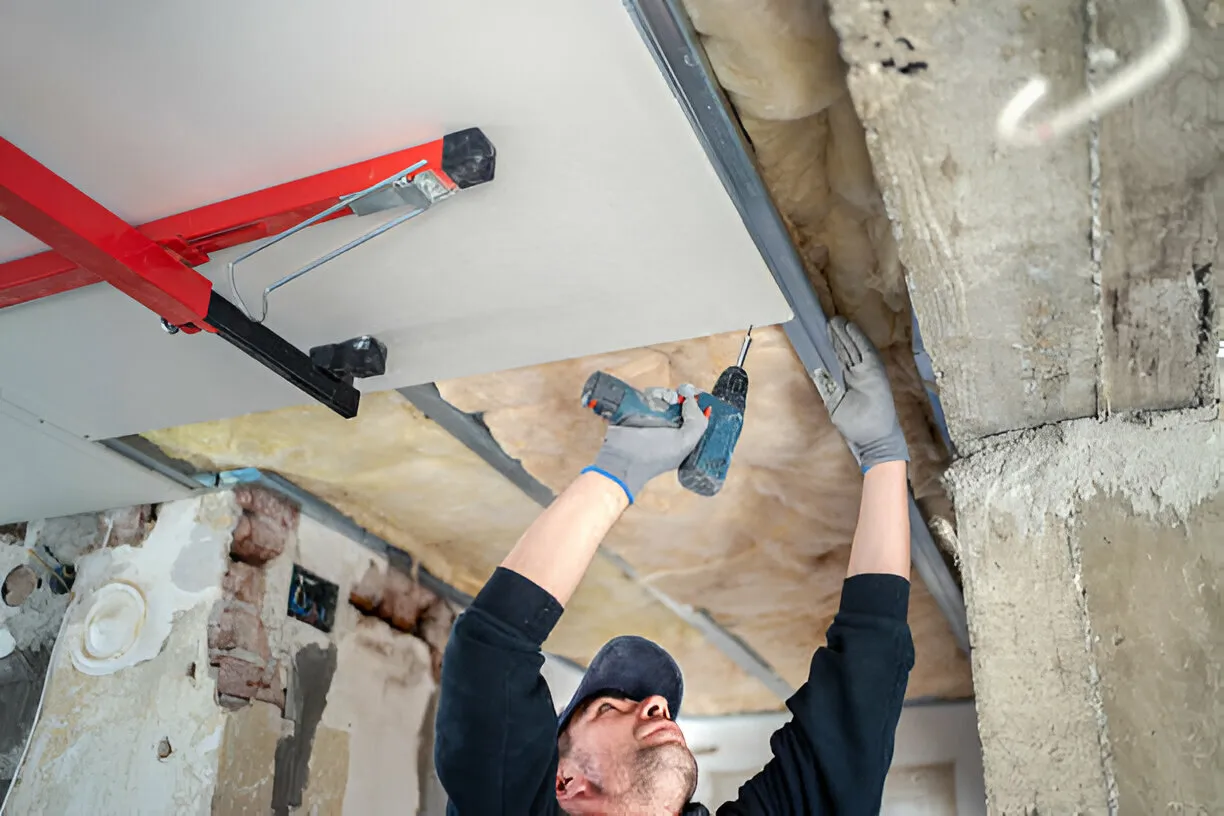
The aisles of big-box hardware stores make attic insulation seem like an easy weekend project. And for a simple top-up in an accessible attic, a skilled DIYer can certainly tackle the job. However, the stakes are higher than you might think.
The DIY Route:
• Pros: Lower upfront cost, sense of accomplishment.
• Cons: Significant safety risks (working in confined, hot spaces; electrical hazards), requires specialized equipment, and it's extremely difficult to perform the crucial air sealing step as thoroughly as a professional. A small missed gap can undo much of your hard work.
Hiring a Professional:
• Pros: Ensures the job is done right the first time. Professionals have the diagnostic tools to find all air leaks, the proper safety gear, and the experience to install insulation for optimal performance. NATE-certified technicians, like the team at Airflow, understand how the entire home system works together.
• Cons: Higher initial investment.
When you consider that a proper installation directly impacts decades of energy bills and your family's comfort, the value of professional expertise becomes clear. A pro ensures you get the full return on your investment.
[Image: A professional NATE-certified technician in protective gear using a hose to install blown-in insulation in an attic, contrasted with a DIYer struggling with fiberglass batts.]
Decoding the Cost: A Transparent Look at Your Investment
An insulation upgrade shouldn't be viewed as an expense, but as one of the smartest home improvement investments you can make. The project often pays for itself in energy savings over a few years and provides an incredible return if you sell your home. In fact, attic insulation upgrades can recoup an average of 116% of their cost at resale.
Professional installation costs can vary based on the material chosen, the size and accessibility of your attic, and whether old insulation needs to be removed.
• Blown-In Fiberglass/Cellulose: Typically ranges from $1.50 to $3.50 per square foot.
• Spray Foam Insulation: Generally costs between $4.00 and $7.25 per square foot.
A typical professional project can range from $1,500 to $3,500, and many homeowners find that the immediate drop in their energy bills makes it a manageable and worthwhile investment. At Airflow, we provide free estimates and flexible financing options to help make this essential home upgrade accessible.
Your Path to a More Comfortable, Efficient Charlottesville Home
Your home is a complete system. The furnace, the air conditioner, the ductwork, and the building envelope all have to work in harmony. Neglecting one part, especially the crucial barrier of insulation and air sealing, forces the others to work overtime, wasting energy and money.
By adopting an "air sealing first" philosophy and choosing the right insulation for your home, you’re not just patching a problem—you’re making a foundational upgrade that enhances comfort, improves home health, and delivers a powerful financial return. You empower your [high-efficiency HVAC system] to do its job with less effort and less cost, extending its lifespan and maximizing its performance.
Ready to stop fighting your home and start enjoying it? The first step is understanding exactly where your building envelope is failing. [Schedule a comprehensive home energy evaluation with our certified experts today].
Frequently Asked Questions
What R-value do I need for my attic in Virginia?
For the Charlottesville area (Climate Zone 4), the Department of Energy recommends an attic R-value between R49 and R60 for optimal performance.
Will new insulation help with noise from outside?
Yes, absolutely. Both cellulose and spray foam have excellent sound-dampening qualities and can create a noticeably quieter home environment.
Is there a best time of year to install insulation?
Insulation can be installed year-round, but the milder temperatures of spring and fall often make the job easier and safer for technicians working in attic spaces.
How does insulation impact my HVAC system's lifespan?
By creating a more stable indoor environment, proper insulation and air sealing reduce the workload on your heating and cooling equipment. Less runtime means less wear and tear, which can significantly extend the life of your system and delay costly replacements. It's a key part of what our [preventive maintenance plans] aim to achieve.
Are there any rebates or incentives available?
Federal, state, and local utility programs often offer tax credits or rebates for home energy efficiency upgrades like insulation. Our team can help you identify any incentives you may be eligible for.
Book Expert Service Or Contact Us
Our Service Process
A Hassle-Free Service Experience
01
Consultation & Diagnosis
We start by listening to your needs and performing a thorough diagnosis of your system to recommend the best solution.
02
Transparent Quoting
We provide a clear, upfront estimate with no hidden fees, so you know exactly what to expect.
03
Expert Service & Follow-Up
Our factory-trained technicians complete the work to the highest standards, and we follow up to ensure your complete satisfaction.
testimonials
What Our Customers Are Saying
Our customers consistently praise our exceptional service and attention to detail, making us a trusted choice for all your HVAC needs.
where we operate
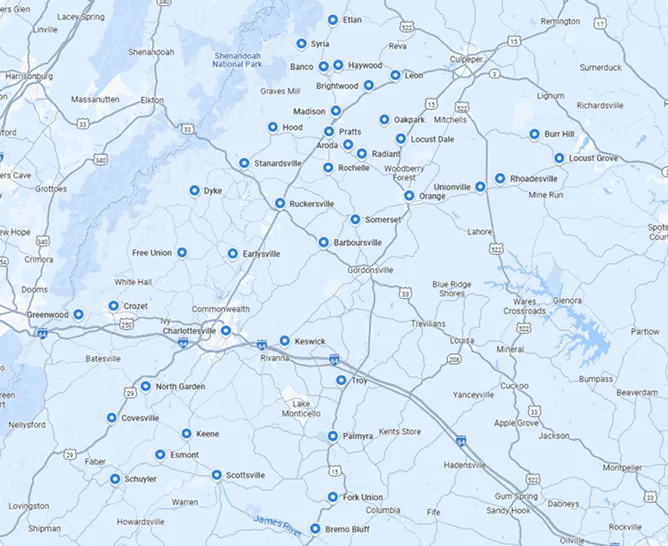
Service areas