

Choose an option to see quick actions and get help faster.
.svg)
.webp)
Beyond the Thermostat: Your Guide to Automated Indoor Air Quality
You’ve likely mastered the thermostat, finding that perfect temperature for your home. But what if comfort is more than just a number on the wall? Maybe you’re running a portable humidifier in the winter, only to battle condensation on the windows. Or perhaps you’re dealing with lingering allergens that even the best furnace filter can’t seem to catch.
If you feel like you’re playing a constant guessing game with your home’s air, you’re not alone. You’re ready to move beyond manual adjustments and reactive fixes. You’re ready for a system that doesn’t just control the temperature but actively manages the health of your home’s environment—automatically.
The Comfort & Health Sweet Spot: What is the Ideal Indoor Humidity?
Let's start with the question that probably brought you here. For most homes in the Charlottesville area, the ideal indoor humidity level is between 30% and 50%.
This range is the sweet spot for several reasons:
• Your Health: It helps prevent dry skin, irritated sinuses, and sore throats. It can also reduce the viability of certain viruses and bacteria that thrive in air that's too dry or too damp.
• Your Home: It protects your hardwood floors, furniture, and paint from cracking or peeling. Crucially, keeping humidity below 50% is a key defense against mold and mildew growth.
However, this target can shift slightly with the seasons. A good rule of thumb is to aim for the lower end of the range in winter to prevent window condensation and the higher end in summer for optimal comfort.
Beyond Comfort: The Hidden Dangers in Your Home’s Air
Achieving the right humidity level is a critical first step, but it’s only one piece of the indoor air quality (IAQ) puzzle. The U.S. Environmental Protection Agency (EPA) consistently finds that indoor air can be two to five times more polluted than the air outside.
Your home’s air is a complex mixture that can contain:
• Allergens: Dust mites, pet dander, and pollen that find their way inside.
• Volatile Organic Compounds (VOCs): Gases released from everyday items like paint, cleaning supplies, new furniture, and air fresheners.
• Pollutants: Smoke, cooking fumes, and other airborne particulates (often called PM2.5) that can irritate your respiratory system.
When a home is sealed tightly for energy efficiency, these pollutants get trapped inside with no way to escape. This is where simply managing temperature and humidity falls short.
The Manual Method: Why Your Portable Devices Aren’t Enough
Many people start their IAQ journey with a portable humidifier or a standalone air purifier. These devices are a good first step, and they certainly help. But if you're reading this, you’ve probably already discovered their limitations:
• Single-Room Solution: They only treat the air in one room, leaving the rest of your home untouched.
• Constant Manual Adjustments: You have to turn them on and off, guess the right settings, and constantly monitor the results.
• High Maintenance: They require frequent refilling, filter cleaning, and can even become breeding grounds for bacteria if not maintained perfectly.
These devices force you to be the "brains" of your home's air quality system. The real breakthrough comes when you upgrade from manually controlling devices to implementing a system that thinks for itself.
The Smart Upgrade: From Monitoring to Automated Management
Imagine your home’s IAQ as a complete ecosystem. A truly smart system doesn’t just rely on you; it uses sensors as its "brain" and your HVAC equipment as its "lungs" to manage the entire environment in real-time.
Here’s how it works:
1. Smart Sensors Monitor: Discreet sensors continuously measure multiple data points—not just humidity and temperature, but also things like VOCs and airborne particulates.
2. The System Analyzes: A central controller, often your smart thermostat, processes this data 24/7.
3. HVAC Components Respond: Based on the sensor readings, the system automatically activates the right equipment. If humidity drops, it turns on a whole-home humidifier. If VOCs spike after you clean, it increases ventilation to bring in fresh air.
This is the shift from reacting to air quality problems to preventing them entirely. It's the "set it and forget it" solution that homeowners are increasingly looking for.
Decision Factors: Choosing Your Automated IAQ System
Moving to an automated system isn't an all-or-nothing proposition. You can choose a level of integration that fits your home, budget, and health goals. Let’s break it down into a "Good, Better, Best" framework.
Good: Smart Plugs + Existing Portable Devices
This is a budget-friendly entry into automation. By connecting your existing portable humidifier or dehumidifier to a smart plug, you can set schedules and control it remotely.
• Pros: Low initial cost, easy to set up.
• Cons: Still a single-room solution, not truly responsive (it runs on a schedule, not based on real-time conditions), requires you to own and maintain the portable units.
Better: Smart Thermostat + Whole-Home Humidifier/Dehumidifier
This is a significant upgrade and the most common solution we install. A smart thermostat with humidity sensing is paired with a whole-home humidifier or dehumidifier that integrates directly with your existing heating and cooling system.
• Pros: Treats the entire house consistently, highly efficient, "set it and forget it" humidity control.
• Cons: Doesn't address other pollutants like VOCs or stale air.
Best: Fully Integrated Smart Ventilation (ERV/HRV) with Real-Time IAQ Sensors
This represents the ultimate in home health and comfort. This system combines everything from the "Better" level with an Energy Recovery Ventilator (ERV) or Heat Recovery Ventilator (HRV).
• Pros: Manages humidity, continuously exhausts stale, polluted air, brings in fresh, filtered air, and monitors for VOCs and particulates. It does all this while being incredibly energy-efficient.
• Cons: Higher initial investment.
Technical Deep Dive: How Smart Ventilation Perfects Your Home's Air
For homeowners in Central Virginia, an Energy Recovery Ventilator (ERV) is a game-changer. Modern, energy-efficient homes are built to be airtight, which is great for your utility bills but can trap stale air and moisture inside.
An ERV solves this problem by creating a balanced "breathing" process for your home.
• It pushes stale, humid indoor air outside.
• Simultaneously, it pulls in fresh outdoor air.
• As it does this, it uses a remarkable heat exchanger core to transfer heat and moisture between the two airstreams. In the winter, it recovers 70-80% of the heat from the outgoing air to pre-heat the incoming fresh air. In the summer, it does the reverse.
This means you get a constant supply of fresh, filtered air without wasting the energy you've already paid to heat or cool. When connected to IAQ sensors, the ERV can automatically boost ventilation when it detects pollutants, ensuring your home's air is always fresh and healthy.
Your Smart IAQ Questions, Answered
Is a whole-home system expensive to run?
Not at all. A whole-home humidifier uses very little electricity and can actually help you save money. Properly humidified air feels warmer, allowing you to lower your thermostat by a few degrees in winter without sacrificing comfort. Likewise, an ERV’s ability to recover 70-80% of energy makes it one of the most efficient ways to ensure fresh air.
Is my older home compatible with this technology?
Absolutely. While new homes benefit greatly from smart ventilation, older homes can see even more dramatic improvements. We can integrate these systems with nearly any existing forced-air HVAC setup. A professional evaluation is the best way to determine the ideal solution for your home's specific needs.
How much maintenance is required?
Compared to portable units, integrated systems are far less work. Whole-home humidifiers have a simple panel that needs to be changed annually, a service we include in our preventive maintenance plans. ERV/HRV systems have filters that need to be cleaned or replaced every few months, which is a simple task for any homeowner.
The Future of a Healthy Home is Automated
True home comfort is about creating a healthy environment where your family can thrive. It’s about air that feels fresh and clean, not just warm or cool. Moving from manual devices to an integrated, automated IAQ system is the single most effective step you can take toward achieving that goal.
You no longer have to be the one constantly monitoring and adjusting. With the right system, you can trust that your home is actively managing its own health, giving you cleaner air, better comfort, and peace of mind.
If you’re ready to explore how an automated IAQ solution can transform your home, the next step is a simple conversation. Our team of NATE-certified technicians can help you assess your home's unique needs and design a system that’s right for you.
Schedule a free, no-obligation estimate with an Airflow Systems expert today.
Book Expert Service Or Contact Us
Our Service Process
A Hassle-Free Service Experience
01
Consultation & Diagnosis
We start by listening to your needs and performing a thorough diagnosis of your system to recommend the best solution.
02
Transparent Quoting
We provide a clear, upfront estimate with no hidden fees, so you know exactly what to expect.
03
Expert Service & Follow-Up
Our factory-trained technicians complete the work to the highest standards, and we follow up to ensure your complete satisfaction.
testimonials
What Our Customers Are Saying
Our customers consistently praise our exceptional service and attention to detail, making us a trusted choice for all your HVAC needs.
where we operate
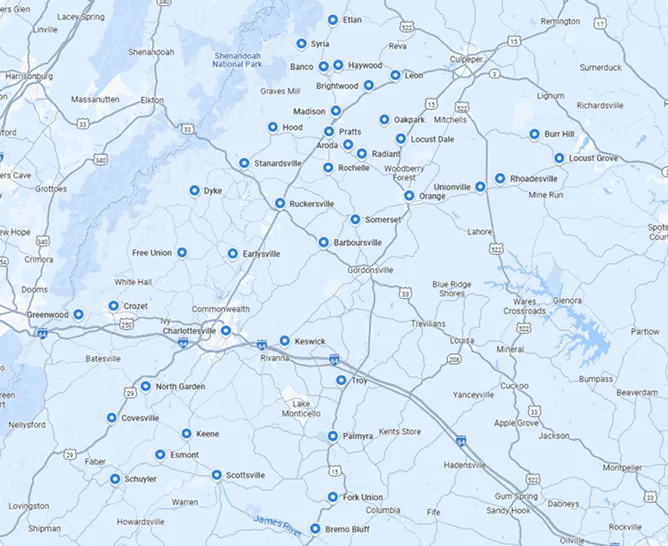
Service areas