


Choose an option to see quick actions and get help faster.
.svg)
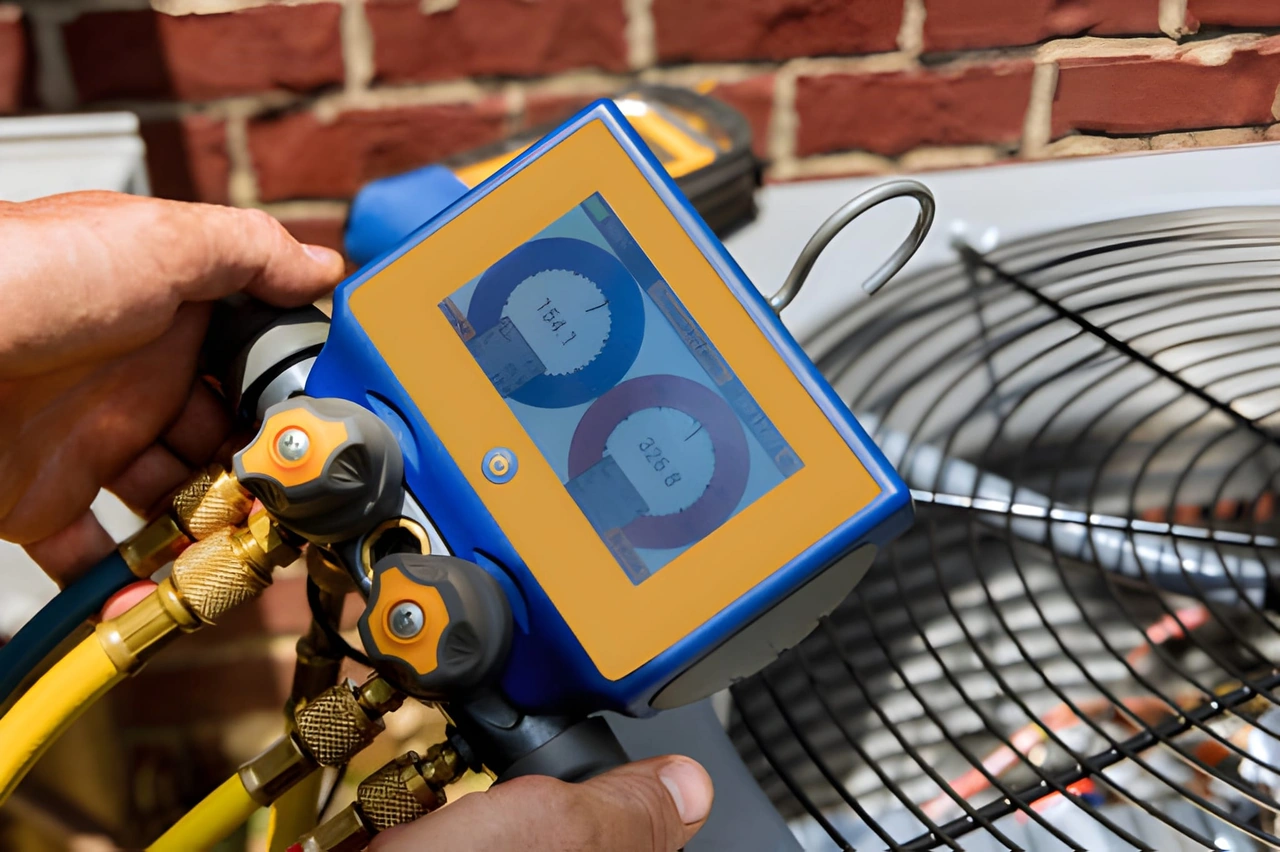
Understanding Capacitor Failure: Why It Is the Most Common AC Repair
Capacitor failure why it is the most common AC repair comes down to one simple fact: capacitors are small, heat-sensitive electrical components that work incredibly hard every single time your air conditioner turns on — and in Central Virginia summers, that's a lot.
Before diving deeper, here's a quick answer if you're short on time:
Why is capacitor failure the most common AC repair?
• Capacitors are among the most heat-sensitive components in your AC system
• They cycle on and off every time the unit starts, causing repeated electrical stress
• Summer heat accelerates their wear faster than almost any other AC part
• They account for roughly 30% of all AC service calls — and some technicians report them behind as many as 7 out of 10 repairs
• They are relatively inexpensive to replace, so failures are caught and fixed often — keeping them consistently at the top of repair lists
Most homeowners don't think about their AC capacitor until something goes wrong. But this small, cylindrical component inside your outdoor condenser unit is doing critical work every single day. It stores electrical energy and releases it in a powerful burst to start your compressor and condenser fan motor. Without it, your AC simply won't run.
There are three main types you'll encounter in a residential system:
• Start capacitor — delivers a short, high-energy jolt to get the motor moving
• Run capacitor — stays in the circuit continuously to keep the motor running efficiently
• Dual-run capacitor — handles both the compressor and the fan motor in a single unit, which is what most modern residential AC systems use
Think of it like the spark plug in your car's engine. It's not the biggest or most expensive part, but without it, nothing moves. And just like a spark plug, it wears out over time — especially under the stress of hot summers like those in Charlottesville, VA.
For a related issue that often goes hand-in-hand with capacitor problems, see our guide on AC Not Turning On Complete Guide.

When we look at the typical service calls we receive during the peak of summer, electrical issues dominate the schedule. To put this into perspective, we can compare how often capacitors fail relative to other common air conditioning issues:
• Capacitor Failure — Estimated Share of Summer Service Calls: ~30% (Up to 70% of electrical repairs) — Primary Culprit / Cause: Extreme heat, voltage fluctuations, continuous runtime
• Clogged Condensate Drain — Estimated Share of Summer Service Calls: ~15% - 20% — Primary Culprit / Cause: Algae buildup, high indoor humidity, lack of maintenance
• Dirty Air Filters & Airflow Restrictions — Estimated Share of Summer Service Calls: ~15% — Primary Culprit / Cause: Neglected filter changes, blocked return vents
• Refrigerant Leaks — Estimated Share of Summer Service Calls: ~10% — Primary Culprit / Cause: Vibration, age, copper coil corrosion
• Worn Contactors & Control Boards — Estimated Share of Summer Service Calls: ~10% — Primary Culprit / Cause: Pitting, bugs, electrical wear and tear
As shown above, capacitors are statistically the single most common failure point in a residential cooling system. When your system stops blowing cold air on a humid July afternoon, there is a very high probability that a compromised capacitor is at the root of the problem. If you find yourself facing this exact issue, securing professional Air Conditioning Repair Charlottesville VA is the fastest way to restore comfort to your home.
Extreme Heat and Capacitor Failure: Why It Is the Most Common AC Repair
The relationship between summer temperatures and capacitor health is direct. Capacitors are filled with a sensitive liquid or gel-like electrolyte and insulated by thin layers of plastic or paper dielectric material. These materials are highly sensitive to thermal degradation.
During a typical Central Virginia summer, outdoor temperatures frequently climb into the 80s and 90s. However, the temperature inside your outdoor AC unit's electrical cabinet can easily exceed 140°F due to direct sunlight and the heat generated by the compressor.
This intense heat causes the internal fluids of the capacitor to expand and eventually break down. As the dielectric material degrades, the capacitor loses its ability to store and release electrical energy efficiently. This process is accelerated when the system runs for extended hours without a break, creating a cycle of high heat and continuous electrical stress. To ensure your system is prepared to handle these thermal demands, consult our AC Tune-Up Guide for Central Virginia Homeowners.
Power Surges and Capacitor Failure: Why It Is the Most Common AC Repair
Another major factor that places capacitor failure at the top of the repair list is electrical stress from power surges and voltage fluctuations. Central Virginia is no stranger to sudden summer thunderstorms, which can bring lightning strikes and localized power grid fluctuations.
When a power surge occurs, it sends a spike of high voltage directly into your home's electrical system. Because the capacitor is designed to store electrical charge, it often bears the brunt of this sudden surge. The excess voltage can puncture the delicate internal insulation of the capacitor, leading to an immediate short circuit or a gradual loss of capacitance.
Additionally, if your outdoor unit is struggling with underlying electrical issues, you may experience frequent system shutdowns. For more information on how electrical problems manifest in your cooling system, read our article on AC Circuit Breaker Keeps Tripping What It Means.
Warning Signs of a Failing AC Capacitor
A failing capacitor rarely goes out without dropping a few hints first. Recognizing these warning signs early can save you from a complete system breakdown during a heatwave.
Here are the most common symptoms of a degraded or failing AC capacitor:
• The Humming Noise: If you hear a low, continuous humming sound coming from your outdoor unit, but the fan blade isn't spinning and the compressor isn't running, this is a classic sign of a failed capacitor. The motor is receiving electrical current but lacks the necessary torque boost to start rotating.
• Clicking Sounds: You may hear the outdoor unit click repeatedly as it attempts to start up, followed by silence. This indicates the system's contactor is engaging, but the capacitor is unable to deliver the energy required to jump-start the motors.
• Warm Air from the Vents: If the condenser fan is spinning but the compressor fails to start, your indoor unit will continue to blow air, but it won't be cold.
• Delayed Start: If your AC takes several seconds or even minutes to kick on after the thermostat calls for cooling, the capacitor is likely weak and struggling to build up the necessary charge.
• Short Cycling: A weak capacitor can cause the compressor or fan motor to overheat and shut down prematurely, leading to constant on-and-off cycling.
If you notice any of these issues, it is important to address them promptly to prevent further system damage. You can learn more about identifying these auditory warnings in our guide on AC Making Strange Noises What They Mean.
For temperature-related performance issues, refer to Why Is My AC Blowing Warm Air Troubleshooting Steps and AC Not Cooling Properly What to Check First.
How to Prevent Premature Capacitor Failure
While capacitors are considered wear-and-tear items, there are several practical steps you can take to protect them from premature failure and extend the overall lifespan of your air conditioner.
1. Schedule Annual Maintenance: During a professional tune-up, a technician will use a multimeter to measure the exact microfarad output of your capacitor. If the reading has dropped below the manufacturer's recommended tolerance (typically ±6%), we can replace it proactively before it leaves you stranded on a hot day.
2. Keep the Condenser Coils Clean: When the outdoor condenser coils are clogged with dirt, grass clippings, and pollen, the system cannot shed heat efficiently. This forces the compressor to run longer and hotter, putting extra strain on the capacitor.
3. Maintain Proper Clearance: Ensure there is at least two feet of clear space around your outdoor unit. Overgrown shrubs, weeds, or stored items restrict airflow, raising the internal temperature of the electrical cabinet.
4. Install Surge Protection: A dedicated HVAC surge protector can shield your outdoor unit's sensitive electrical components from lightning strikes and power grid fluctuations.
Taking proactive steps is the best way to avoid unexpected breakdowns. For a complete checklist of what to prepare before the cooling season begins, check out our guide on Spring AC Tune-Up What to Expect.
Frequently Asked Questions About AC Capacitors
How long do AC capacitors typically last in Central Virginia?
Under ideal conditions, an AC capacitor can last anywhere from 10 to 15 years. However, in the humid climate of Central Virginia, where summers bring high run hours and elevated temperatures, a realistic lifespan is closer to 5 to 10 years. As of June 2026, we frequently see capacitors on systems older than five years showing signs of degradation during routine inspections. Regular testing is the only reliable way to monitor their health.
Is it safe to replace an AC capacitor myself?
No, we strongly advise against attempting to replace an AC capacitor yourself. Capacitors are energy-storage devices. Even if you turn off the power at your home's breaker panel and pull the outdoor disconnect, a capacitor holds a high-voltage electrical charge that can deliver a severe or even fatal shock if handled improperly. A trained professional uses specialized insulated tools to safely discharge the stored energy before testing or removing the component.
Can a bad capacitor damage my AC compressor?
Yes, absolutely. When a capacitor weakens, it forces the compressor motor to struggle during startup. This is known as "hard starting." The motor draws significantly higher electrical current (amperage) to overcome its initial inertia, causing the internal motor windings to overheat. Over time, this repeated thermal stress can lead to compressor burnout. Replacing a capacitor is a straightforward repair, but a failed compressor is a major issue that often requires a complete system replacement. If your system is showing signs of severe wear, it is helpful to understand the AC Repair Red Flags That Mean You Need a New System.
Conclusion
Understanding capacitor failure why it is the most common AC repair helps you keep your home comfortable and avoid costly system damage. By recognizing the early warning signs — such as unusual humming noises, delayed starts, or warm air blowing from your vents — you can address a weak capacitor before it leads to a complete system breakdown or damages your compressor.
At Airflow Systems Heating & Air, we have provided trusted, family-owned HVAC services to homeowners in Charlottesville, VA, and the surrounding Central Virginia areas since 1988. Our certified professionals are equipped with the latest diagnostic tools to quickly test, identify, and replace failing capacitors, ensuring your air conditioner runs safely and efficiently all summer long.
If you suspect your air conditioner is struggling or if you want to schedule a proactive system check, reach out to us today for expert AC Repair.
Book Expert Service Or Contact Us
Our Service Process
A Hassle-Free Service Experience
01
Consultation & Diagnosis
We start by listening to your needs and performing a thorough diagnosis of your system to recommend the best solution.
02
Transparent Quoting
We provide a clear, upfront estimate with no hidden fees, so you know exactly what to expect.
03
Expert Service & Follow-Up
Our factory-trained technicians complete the work to the highest standards, and we follow up to ensure your complete satisfaction.
testimonials
What Our Customers Are Saying
Our customers consistently praise our exceptional service and attention to detail, making us a trusted choice for all your HVAC needs.
where we operate
Service areas