

Choose an option to see quick actions and get help faster.
.svg)
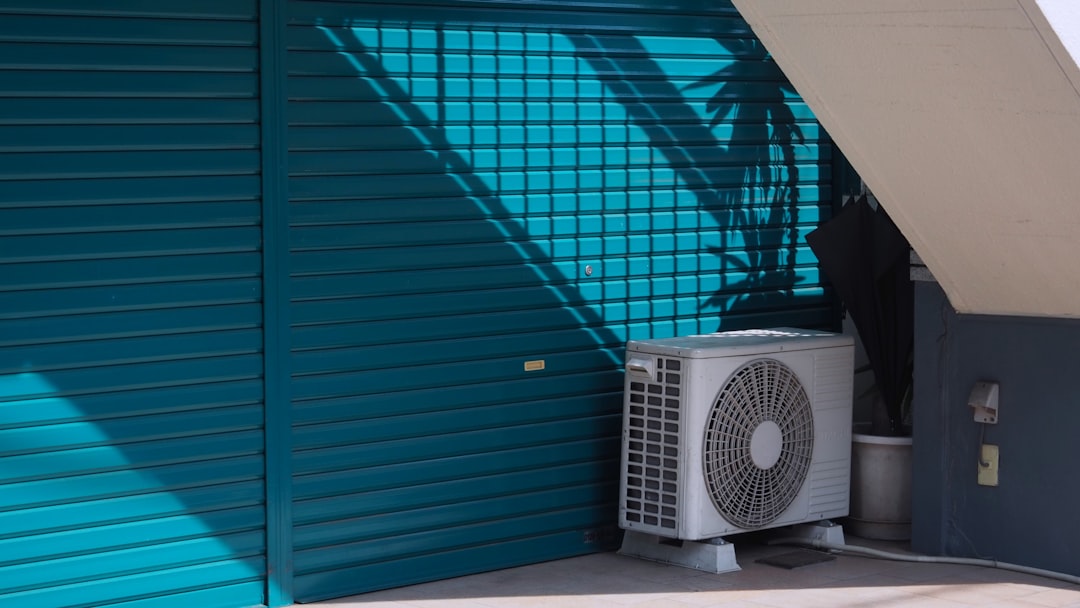
Is It Time to Replace Your Air Conditioner in Charlottesville, VA?
Knowing when should you replace your air conditioner can save you from wasting money on repeated repairs — or getting caught without cooling during a hot Central Virginia summer. Here's a quick answer:
Replace your air conditioner when one or more of these apply:
• Your unit is 10–15 years old (or older)
• You've had multiple repairs in the past few years
• Your energy bills keep rising despite normal usage
• Your home has uneven cooling or humidity problems
• Your system uses R-22 (Freon) refrigerant, which is no longer produced
• Repair costs multiplied by your unit's age exceed $5,000 (the $5,000 Rule)
Most central AC units last between 10 and 15 years, though factors like Central Virginia's humid summers, how often the system runs, and how well it's been maintained all affect that timeline. Once a system starts showing signs of decline — rising bills, strange noises, rooms that never quite cool down — the question shifts from "should I replace it?" to "how soon?"
At Airflow Systems Heating & Air, we've been helping Charlottesville homeowners navigate exactly this decision since 1988. This guide walks you through every factor you need to make a confident, informed choice.
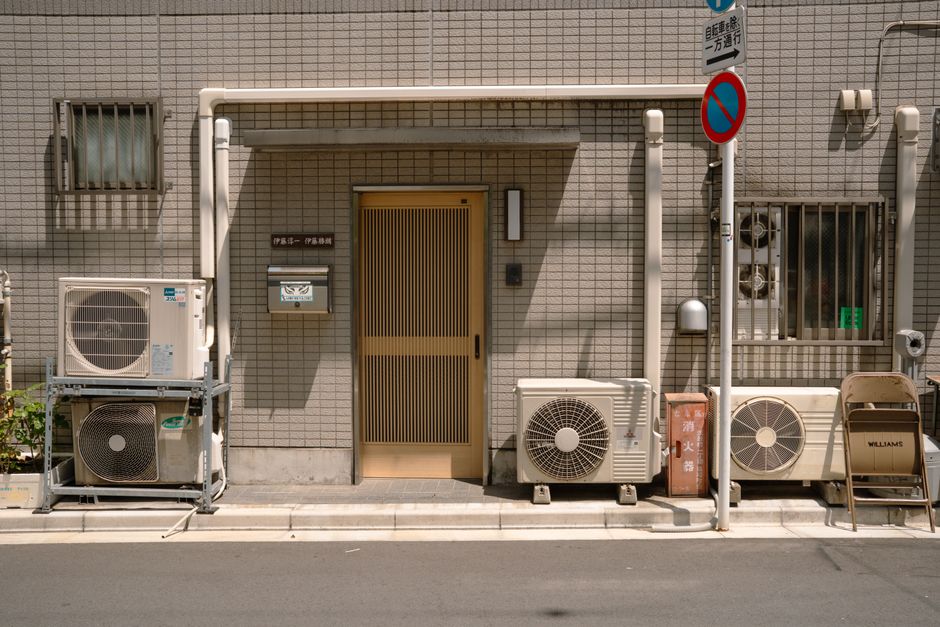
Average Lifespan: How Long Does a Central Virginia AC Unit Last?
The average lifespan of a central air conditioning unit is 10 to 15 years. Under absolutely optimal conditions — mild climates, perfect sizing, and flawless maintenance — some modern units can push toward 15 to 20 years. However, older units in our region often reach their practical, functional limits around the 10- to 12-year mark.
Why does this variation exist? In Central Virginia, our systems have to work incredibly hard. The combination of intense summer heat and dense, muggy humidity puts immense thermal stress on your outdoor condenser. When an air conditioner has to run around the clock to combat both high temperatures and heavy moisture, its internal components wear down much faster than they would in a dry or mild climate.
Furthermore, how your system was initially installed plays a major role. Incorrect sizing — whether a system is too small and runs constantly, or too large and short-cycles — can shave 3 to 5 years off its potential lifespan.
The single most effective way to protect your investment and extend this timeline is through regular, professional AC Maintenance. Just like changing the oil in your car, scheduling a Spring AC Tune-Up: What to Expect keeps internal parts clean, lubricated, and running efficiently. Regular maintenance can extend your system's life by 3 to 5 years, while neglecting it almost guarantees a premature breakdown.
Key Warning Signs: When Should You Replace Your Air Conditioner?
Waiting for your air conditioner to suffer a catastrophic failure in the middle of a July heatwave is a recipe for stress and emergency expenses. Instead, it is much smarter to watch for the warning signs of a declining system. Recognizing these symptoms early allows you to plan an upgrade on your own schedule.
If you are trying to determine when should you replace your air conditioner, keep an eye out for these critical AC Repair Red Flags That Mean You Need a New System:
• Your system is more than 10 to 12 years old: Even if it is still running, a system of this age is rapidly approaching the end of its reliable life.
• Frequent breakdowns: If you have had to call a technician multiple times over the last few seasons, your system's components are failing one by one.
• Skyrocketing energy bills: If your power bills are climbing but your cooling habits haven't changed, your system is losing its efficiency.
• Outdated refrigerant (R-22): Systems manufactured before 2010 typically run on R-22 (Freon), a chemical that has been completely phased out due to environmental regulations.
Let’s break these warning signs down further to understand how they impact your home comfort and your wallet.
Age and Efficiency: When Should You Replace Your Air Conditioner?
As your air conditioner blows past its tenth birthday, several things happen simultaneously. First, any manufacturer warranty has almost certainly expired. Most HVAC warranties last 5 to 10 years, meaning that after a decade, you are entirely responsible for the cost of all replacement parts and labor.
Second, older units operate on outdated efficiency standards. Efficiency in cooling systems is measured by the Seasonal Energy Efficiency Ratio (SEER). Modern standards require much higher SEER ratings than those of a decade ago. According to the EPA and the U.S. Department of Energy, heating and cooling account for nearly 50% of a home’s total energy consumption. If your old system has a low SEER rating, you are spending significantly more money to achieve the same level of comfort as a modern system.
Upgrading to a modern, ENERGY STAR-rated air conditioner can reduce your cooling costs by 20% to 40%. When you look at the math, continuing to pour money into an old, inefficient unit simply doesn't make sense. There are certain AC Repairs That Are Not Worth Doing on an Old Unit, such as replacing a failed compressor or a leaking evaporator coil, because those major fixes can cost a significant portion of a brand-new, high-efficiency system.
Performance Red Flags: When Should You Replace Your Air Conditioner?
Age is just a number, but performance is something you feel every day. If your home is no longer the comfortable sanctuary it used to be, your AC is trying to tell you something. Common performance red flags include:
• Inconsistent Cooling: Are some rooms in your Charlottesville home freezing cold while others feel like a sauna? This often indicates that your compressor is struggling to move refrigerant effectively, or that your system can no longer handle the airflow demands of your ductwork. You can learn how to optimize your airflow with the Best Thermostat Strategies for Summer AC Savings.
• Humidity Problems: A properly functioning air conditioner doesn't just cool the air; it also dehumidifies it. If your indoor air feels sticky, heavy, or damp, your system is failing to pull moisture out of the air. This can lead to mold growth and poor indoor air quality.
• Strange Noises: While no air conditioner is completely silent, it shouldn't sound like a construction site. If you hear squealing, grinding, rattling, or clanking, components are likely loose or failing. Review our guide on AC Making Strange Noises: What They Mean to help identify the issue.
• Foul Odors: Musty smells point to mold or mildew growth inside your ductwork or evaporator coil. Burning smells indicate electrical issues, such as overheating wires or a failing motor. If your AC Circuit Breaker Keeps Tripping: What It Means, turn the system off immediately and seek professional help.
• Ice and Frost: If you notice frozen pipes or ice on your outdoor unit, it's a sign of restricted airflow or a refrigerant leak. Read about Ice Forming on Your AC Unit: Causes and What to Do to understand the underlying risks.
The $5,000 Rule: A Mathematical Guide to Repair vs. Replace
When your air conditioner breaks down, it can be hard to make an objective decision. You might be tempted to choose a quick repair to save money in the short term, even if a replacement is the better long-term financial choice.
To take the emotion and guesswork out of the decision, HVAC professionals use a simple mathematical formula known as The $5,000 Rule.
Here is how it works:
Age of the AC Unit (in Years) × Cost of the Repair Quote = Decision Number
If your Decision Number is under $5,000, repairing the unit is generally a reasonable choice. If your Decision Number exceeds $5,000, you should replace the unit.
Let’s look at three real-world examples:
1. The Young System: You have a 5-year-old system that needs a repair. The quote is $400. 5 × 400 = 2,000Since $2,000 is well below $5,000, repairing this unit is the logical choice.
2. The Borderline System: You have a 10-year-old system that needs a minor repair costing $400.10 × 400 = 4,000At $4,000, a repair is still acceptable, but you should start planning and budgeting for a replacement in the near future.
3. The Obsolete System: You have a 12-year-old system with a failing compressor. The repair quote is $600.12 × 600 = 7,200Since $7,200 is far above the $5,000 threshold, investing that money into a dying, inefficient system is not a wise decision. That money is much better spent as a down payment on a new, high-efficiency system.
That as systems age, their efficiency drops naturally. When you factor in How Heat and Humidity Drive Up Your Cooling Costs, keeping an old system alive with constant repairs actually costs you twice: once for the repair bills, and again every month on your power bills.
Frequently Asked Questions About AC Replacement
What is the best time of year to replace an AC unit?
The best time of year to replace your air conditioner is during the "shoulder seasons" — specifically spring (March through May) or autumn (September through November).
During the peak heat of summer and the freezing cold of winter, HVAC companies are flooded with emergency repair calls. If you try to replace your system in July, you may face longer wait times for scheduling, and technicians will be rushed.
By planning your replacement in the spring, you get several advantages:
• Better scheduling availability: You can choose a date and time that fits your schedule perfectly.
• Unhurried installation quality: Technicians have more time to ensure every detail of your ductwork and system calibration is flawless.
• Peace of mind: Your new system will be fully installed, tested, and ready to keep you cool before the first major heatwave of summer arrives.
If you suspect your system is on its last legs, look for Signs Your AC Needs Repair Before Summer so you can make the switch proactively.
How does R-22 refrigerant affect my replacement decision?
If your air conditioner was installed before 2010, there is a very high probability that it uses R-22 refrigerant (commonly known as Freon). Due to international environmental agreements, the EPA completely banned the production and import of R-22 in 2020.
Today, the only R-22 available is reclaimed or recycled from older systems, making it extremely scarce and highly expensive. If your R-22 system develops a refrigerant leak — which is highly common in older systems due to coil corrosion — repairing it is rarely cost-effective. Replacing a coil and recharging an R-22 system can cost almost as much as a new unit.
Furthermore, manufacturers have stopped producing replacement parts for these obsolete systems. If your R-22 unit breaks down, you may find yourself waiting weeks for a hard-to-find part, or discover that the part is completely unavailable. If your system uses R-22, replacement is almost always the smartest move.
Can a new AC system improve my indoor air quality?
Yes, absolutely. Over its 10 to 15 years of service, an old air conditioner accumulates a significant amount of dust, pollen, pet dander, and other allergens inside its internal components and cabinet. Older blower motors and outdated filtration systems struggle to move air efficiently through modern, high-efficiency filters.
When you upgrade to a modern air conditioning system, you benefit from:
• Advanced filtration: Modern systems are designed to accommodate thicker, high-MERV media filters that capture microscopic particles, allergens, and viruses without straining the system's motor.
• Better humidity control: Because modern systems run more balanced, consistent cycles (especially variable-speed models), they are far more effective at pulling moisture out of the air. This keeps indoor humidity levels in the ideal 30% to 50% range, preventing mold growth and dust mite infestations.
• Cleaner ductwork connections: During a professional installation, technicians inspect and seal your ductwork connections, preventing dust and attic air from being pulled into your living spaces. You can learn more about how to protect your system from dust with tips on How to Clean Your AC Condenser Unit Safely and how to reduce overall strain with our guide on How Shade, Insulation and Sealing Reduce Your AC Workload.
Conclusion
Deciding when should you replace your air conditioner is a major decision for any homeowner, but you don't have to make it alone. Pouring money into endless repairs on a system that is over a decade old is often a losing battle. By recognizing the warning signs of system failure, applying the $5,000 Rule, and planning your replacement proactively, you can secure your home's comfort, lower your monthly energy bills, and enjoy complete peace of mind.
At Airflow Systems Heating & Air, we are proud to be Charlottesville’s trusted, family-owned HVAC partner. Since 1988, we have provided honest advice, expert installations, and reliable maintenance to our neighbors throughout Central Virginia. We represent major HVAC brands and bring the latest energy-efficient technologies straight to your home.
If you are unsure whether to repair or replace your aging system, we can help. Contact us today to schedule a professional system assessment, and let our certified team guide you to the perfect, high-efficiency AC Replacement solution for your home.
Book Expert Service Or Contact Us
Our Service Process
A Hassle-Free Service Experience
01
Consultation & Diagnosis
We start by listening to your needs and performing a thorough diagnosis of your system to recommend the best solution.
02
Transparent Quoting
We provide a clear, upfront estimate with no hidden fees, so you know exactly what to expect.
03
Expert Service & Follow-Up
Our factory-trained technicians complete the work to the highest standards, and we follow up to ensure your complete satisfaction.
testimonials
What Our Customers Are Saying
Our customers consistently praise our exceptional service and attention to detail, making us a trusted choice for all your HVAC needs.
where we operate
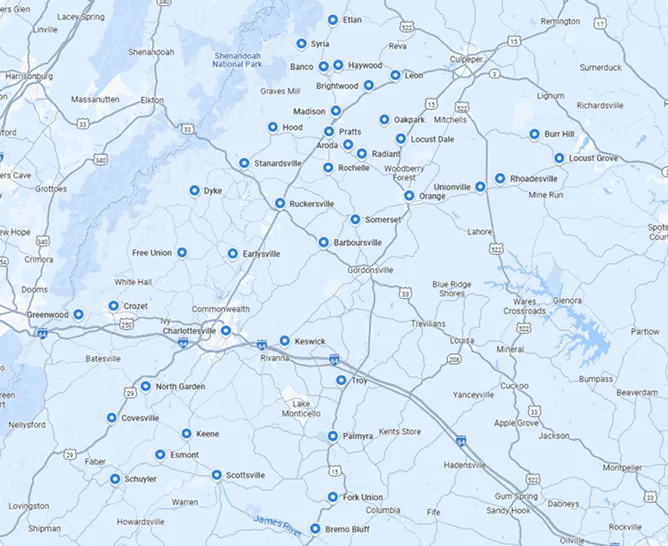
Service areas