

Choose an option to see quick actions and get help faster.
.svg)
When Sudden Storms Threaten Your Cooling System
As families transition into the busy back-to-school routine, preparing your outdoor unit for late-summer severe thunderstorms is one of the most critical steps to protect your home's comfort. Late summer often brings sudden, intense weather shifts, and before you know it, the sky darkens and the wind picks up. These fast-moving August squall lines can strike with very little warning, turning a calm afternoon into a chaotic weather event. If you want to ensure your system is ready for whatever the weather brings, learning how to properly care for your air conditioning is the best place to start.
The concrete problem many homeowners face during these weather events is the vulnerability of the outdoor condenser. Sitting exposed in your yard, this vital piece of equipment is highly susceptible to flying debris, falling branches, and intense straight-line winds. Left unprotected, a single severe storm can cause significant mechanical damage, leading to uncomfortable days and unexpected breakdowns just when you need cooling the most.
The critical decision point: As a homeowner, you need to know exactly which preparation steps are safe and effective to handle on your own, and which tasks strictly require a licensed professional. Taking the right DIY steps—like clearing your yard and securing loose items—can save your system from impact damage. However, attempting to modify electrical components or refrigerant lines can lead to permanent equipment failure or serious personal injury. Proper preparation prevents the need for emergency interventions when the weather finally clears, giving you complete peace of mind.
Understanding the Threat of Flying Debris and High Winds
To properly protect your cooling system, you first need to understand how regional weather patterns interact with your equipment. In Charlottesville and Central Virginia, the late-summer transition often triggers strong frontal passages. These weather fronts can generate intense straight-line winds that behave very differently than a standard rainstorm.
The physics of flying debris: Straight-line winds can easily exceed 60 miles per hour, turning ordinary yard objects into dangerous projectiles. A child's plastic toy, a loose garden trowel, or a forgotten patio umbrella can be picked up and hurled directly into your outdoor condenser. The primary vulnerability lies in the condenser's aluminum fins and internal fan blades. These fins are intentionally thin to dissipate heat efficiently, but this delicate structure means they can be easily crushed or bent by physical impacts, severely restricting the airflow your system needs to function.
In our years of keeping homes comfortable, our team at Airflow Systems has seen exactly what these specific regional weather patterns can do to outdoor units. We frequently observe how our area's unique topography can funnel high winds through neighborhoods and valleys during frontal passages, increasing localized risks. In fact, our technicians have pulled everything from shattered patio umbrellas to twisted garden tools out of damaged condensers.
• Straight-Line Winds — Impact Mechanism: Turns loose yard items into high-speed projectiles — Potential Condenser Damage: Crushed aluminum fins, bent fan blades, shattered exterior panels
• Heavy Downpours — Impact Mechanism: Washes dirt and mulch against the base of the unit — Potential Condenser Damage: Clogged drainage pathways, accelerated lower-cabinet rusting
• Lightning Strikes — Impact Mechanism: Sends massive voltage spikes through the home's grid — Potential Condenser Damage: Fried capacitors, blown compressors, melted wiring
• Falling Branches — Impact Mechanism: Direct heavy physical impact from above — Potential Condenser Damage: Crushed top grilles, broken fan motors, severed refrigerant lines
Understanding these threats clarifies why physical impact is the primary cause of severe mechanical damage during these weather events. By recognizing how wind interacts with your specific property, you can take targeted action to neutralize these risks before the first drop of rain falls.
Immediate Pre-Storm Yard Preparation: The Debris Sweep
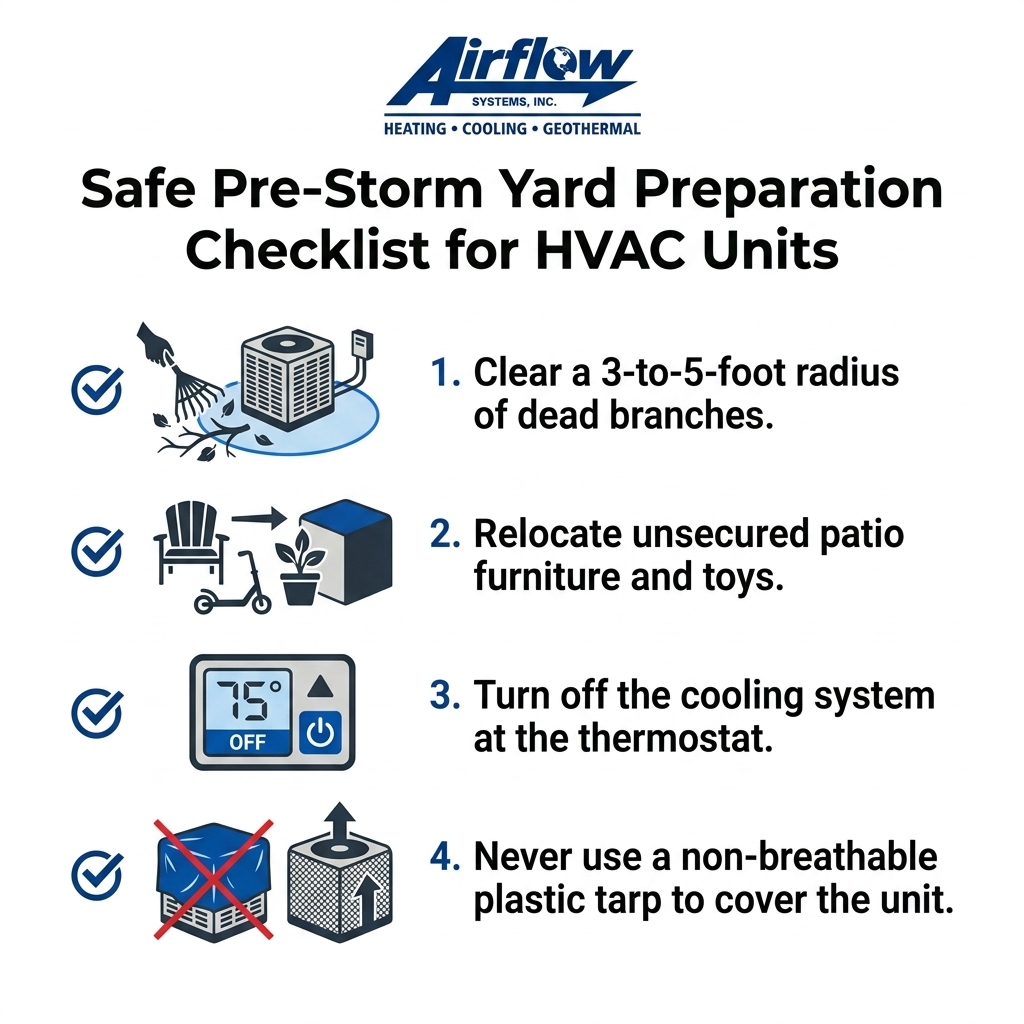
When the forecast predicts August squall lines, your first line of defense is a thorough debris sweep. This highly actionable checklist focuses on safe, effective steps you can take before the storm hits to eliminate potential projectiles.
• Relocate unsecured items: Move all patio furniture, umbrellas, hanging plants, and children's toys into a locked garage or sturdy storage shed. Even heavy items can become airborne in severe gusts.
• Trim back vegetation: Carefully trim back dead branches or loose vegetation within a 3-to-5-foot radius of the outdoor unit. This prevents violent winds from whipping heavy branches directly into the delicate aluminum fins.
• Remove loose yard debris: Rake up fallen branches, heavy landscaping materials, or loose rocks that sit near the condenser. High winds can easily lift these items and throw them into the fan assembly.
• Clear the base: Ensure the area around the bottom of the unit is completely clear of packed leaves, mulch, and dirt. Heavy rain needs a clear path to drain away; otherwise, standing water can flood the base of the unit.
The importance of a clean perimeter: As we often advise our customers, taking the time to properly clear the area not only protects against storm damage but also improves your system's overall efficiency. If you want to dive deeper into routine upkeep, understanding the process of cleaning your AC condenser unit safely is a great way to maintain optimal airflow year-round.
Securing the Perimeter
Beyond the immediate area around your condenser, you must evaluate the wider perimeter of your yard. High winds do not respect property lines, and items from across the yard can easily end up damaging your cooling equipment.
1. Check outdoor storage: Ensure that all outdoor storage bins, recycling containers, and trash cans are tightly closed and weighted down or moved indoors.
2. Inspect fencing and decor: Walk the perimeter and look for loose fence boards, unsecured decorative garden items, or unstable trellises. If high winds can dislodge it, it poses a direct threat to your outdoor unit.
3. Secure temporary structures: If you have pop-up tents, temporary gazebos, or lightweight dog kennels, dismantle them or anchor them securely to the ground.
The Hidden Dangers of Improper DIY AC Covers
Every August, our repair team gets calls from homeowners who made one of the most common—and most destructive—mistakes during squall lines: attempting to protect their condenser with an improvised cover. Throwing a standard plastic tarp over the unit might seem like a logical way to keep rain and debris out, but it is actually highly dangerous for your equipment.
The problem with plastic tarps: Standard blue or green plastic tarps are completely non-breathable. When you wrap a condenser tightly in plastic, you trap ambient ground moisture and humidity inside the unit. As the temperature fluctuates, this trapped moisture causes heavy condensation to form directly on the internal electrical components, contactors, and wiring. This accelerates corrosion at an alarming rate, often causing electrical failures long after the storm has passed.
The threat of restricted airflow: An even greater danger occurs if the cooling system accidentally turns on while wrapped in a tarp. If your thermostat calls for cooling, the compressor will engage and attempt to pull air through the fins. With a tarp blocking the airflow, the system will rapidly overheat. This extreme thermal stress can burn out the fan motor or cause catastrophic compressor failure, turning a well-intentioned DIY prep step into a massive repair bill.
• Standard Plastic Tarp — Airflow restriction: Severe (100% blocked) — Moisture Trapping: High (Causes rapid corrosion) — Overall Safety Rating: Dangerous - Do Not Use
• Canvas Drop Cloth — Airflow restriction: High (Absorbs water) — Moisture Trapping: Medium (Stays damp for days) — Overall Safety Rating: Unsafe
• Approved Hail Guard — Airflow restriction: Minimal (Designed for airflow) — Moisture Trapping: None (Breathable mesh design) — Overall Safety Rating: Safe and Recommended
If you live in an area prone to flying debris, we strongly recommend using only a manufacturer-approved, breathable hail guard. These specialized guards are designed to deflect physical impacts while allowing proper airflow and moisture evaporation. Never improvise a cover out of household materials.
Electrical Safety and Power Surge Protection
While physical debris is a visible threat, the most common cause of cooling system failure during a severe storm is entirely invisible. In our experience servicing Charlottesville and Central Virginia, lightning-induced power surges are a leading cause of AC electrical failure. When lightning strikes nearby, it can send a massive spike of voltage through your home's electrical grid, instantly overwhelming the sensitive components inside your HVAC system.
The immediate action step: The safest and most effective way to protect your system from electrical damage during a severe thunderstorm is to turn off the cooling system at the indoor thermostat. By setting the thermostat to the "off" position, you prevent the compressor and fan motor from running during power fluctuations, brownouts, or sudden surges. A system that is powered down is significantly less likely to suffer catastrophic electrical damage than one actively drawing current when a surge hits.
Understanding whole-home surge protection: Many homeowners mistakenly believe that standard circuit breakers provide adequate surge protection. However, standard breakers are designed to trip slowly in response to an overload, not to block the microsecond voltage spikes caused by lightning. A whole-home surge protector, installed directly at your electrical panel, acts as a critical gatekeeper, diverting excess voltage into the ground before it can reach your outdoor unit.
Strict safety boundaries: It is absolutely vital to recognize the boundaries of safe DIY preparation. Modifying electrical disconnect boxes, handling high-voltage wiring, or attempting to install surge protectors yourself is incredibly dangerous. These tasks involve lethal amounts of electricity and must be left to licensed professionals. If your system does suffer electrical damage during a storm, reaching out for professional AC repair services is the only safe way to restore your home's comfort.
Post-Storm Inspection and Ongoing System Resilience
Once the severe weather has safely passed and the skies over Charlottesville and Central Virginia have cleared, it is time to assess your equipment. However, rushing to turn the thermostat back on without a proper inspection can exacerbate hidden damage.
Safe visual inspection steps: Walk out to your condenser and perform a careful visual check. Look for heavy dents in the aluminum fins, exterior panels that have been knocked loose, or a concrete equipment pad that has shifted or washed out. Check the refrigerant lines connecting the outdoor unit to your home to ensure they haven't been pinched or severed by falling branches. If everything looks intact, you can turn the thermostat back on. Listen closely during startup—if you hear grinding, loud buzzing, or rattling noises, shut the system down immediately.
When to keep the power off: If you see visible physical damage, or if you suspect your home experienced a severe power surge during the storm, do not turn the cooling system back on. Running a damaged system forces it to work against extreme mechanical stress, which can turn a minor repair into a total system replacement.
The value of ongoing resilience: A system that is well-maintained is inherently more resilient to environmental stress. Routine professional check-ups ensure that tie-downs are secure, electrical connections are tight, and refrigerant lines are properly insulated year-round. For example, a pattern we see often at Airflow Systems is that customers who rely on regular twice-yearly check-ups keep their older systems in top condition. Because our technicians consistently replace worn relays and tighten connections, these well-maintained systems weather severe storms and keep running efficiently without unexpected breakdowns. Securing an HVAC maintenance plan is one of the most effective ways to ensure your equipment is always storm-ready.
Frequently Asked Questions About AC Storm Prep
Should I cover my AC unit during a thunderstorm?
No, you should never cover your AC unit with a standard tarp or plastic sheet during a thunderstorm. Doing so traps moisture inside, leading to rapid electrical corrosion, and can cause catastrophic overheating if the system accidentally turns on. If you are concerned about flying debris, only use a manufacturer-approved, breathable hail guard designed specifically for your equipment.
Is it safe to run my AC during a severe storm?
While an AC unit is built to withstand heavy rain, it is not safe to run it during a severe storm with lightning. Lightning strikes cause massive power surges that can instantly destroy the compressor and sensitive electrical components while the system is running. It is highly recommended to turn off the cooling system at the indoor thermostat until the severe weather passes.
How do I protect my outside AC unit from wind damage?
The best way to protect your outside unit from wind damage is to eliminate potential projectiles from your yard. Clear a 3-to-5-foot radius around the unit of dead branches, and store all loose patio furniture, toys, and garden tools indoors. Securing the perimeter prevents straight-line winds from turning everyday objects into destructive missiles.
What should I do if my AC makes a strange noise after a storm?
If you turn your system on after a storm and hear grinding, heavy buzzing, or loud rattling, turn the system off immediately at the thermostat. Strange noises usually indicate that debris has bypassed the fan grille, a fan blade has been bent, or an electrical component is failing. Running the system with these symptoms can cause permanent damage, so a professional inspection is required.
Can a power surge ruin my air conditioning compressor?
Yes, a power surge is one of the quickest ways to ruin an air conditioning compressor. Sudden voltage spikes overwhelm the electrical limits of the compressor motor and capacitors, often melting wires and rendering the unit completely inoperable. Installing a whole-home surge protector is the most effective defense against this invisible threat.
Keep Your System Protected Through the End of Summer
Taking the time to properly prepare your yard and secure your equipment provides immense peace of mind when the skies darken over Charlottesville and Central Virginia. By understanding the risks of flying debris, avoiding dangerous DIY covers, and knowing when to power down your system, you take control of your home's comfort and safety.
Remember that you don't have to navigate severe weather recovery alone. Our team at Airflow Systems is always available for any storm damage assessments, electrical concerns, or preventative care your system might need. Taking proactive steps now ensures that your cooling system remains protected, efficient, and ready to keep your family comfortable through the very end of summer and beyond.
Book Expert Service Or Contact Us
Our Service Process
A Hassle-Free Service Experience
01
Consultation & Diagnosis
We start by listening to your needs and performing a thorough diagnosis of your system to recommend the best solution.
02
Transparent Quoting
We provide a clear, upfront estimate with no hidden fees, so you know exactly what to expect.
03
Expert Service & Follow-Up
Our factory-trained technicians complete the work to the highest standards, and we follow up to ensure your complete satisfaction.
testimonials
What Our Customers Are Saying
Our customers consistently praise our exceptional service and attention to detail, making us a trusted choice for all your HVAC needs.
where we operate
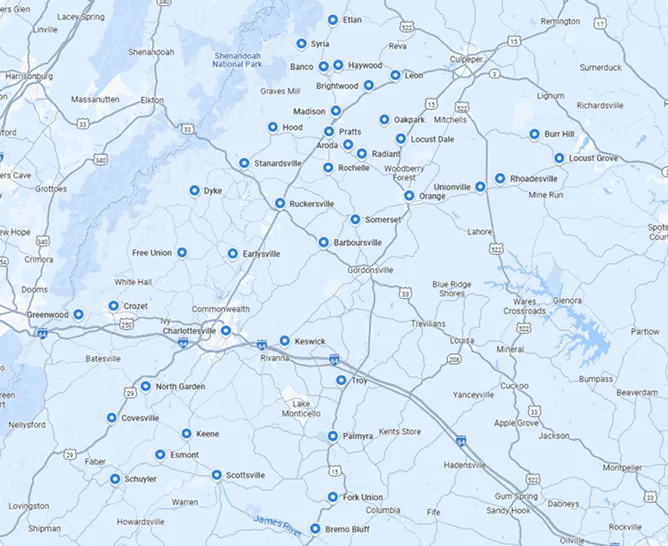
Service areas