

Choose an option to see quick actions and get help faster.
.svg)
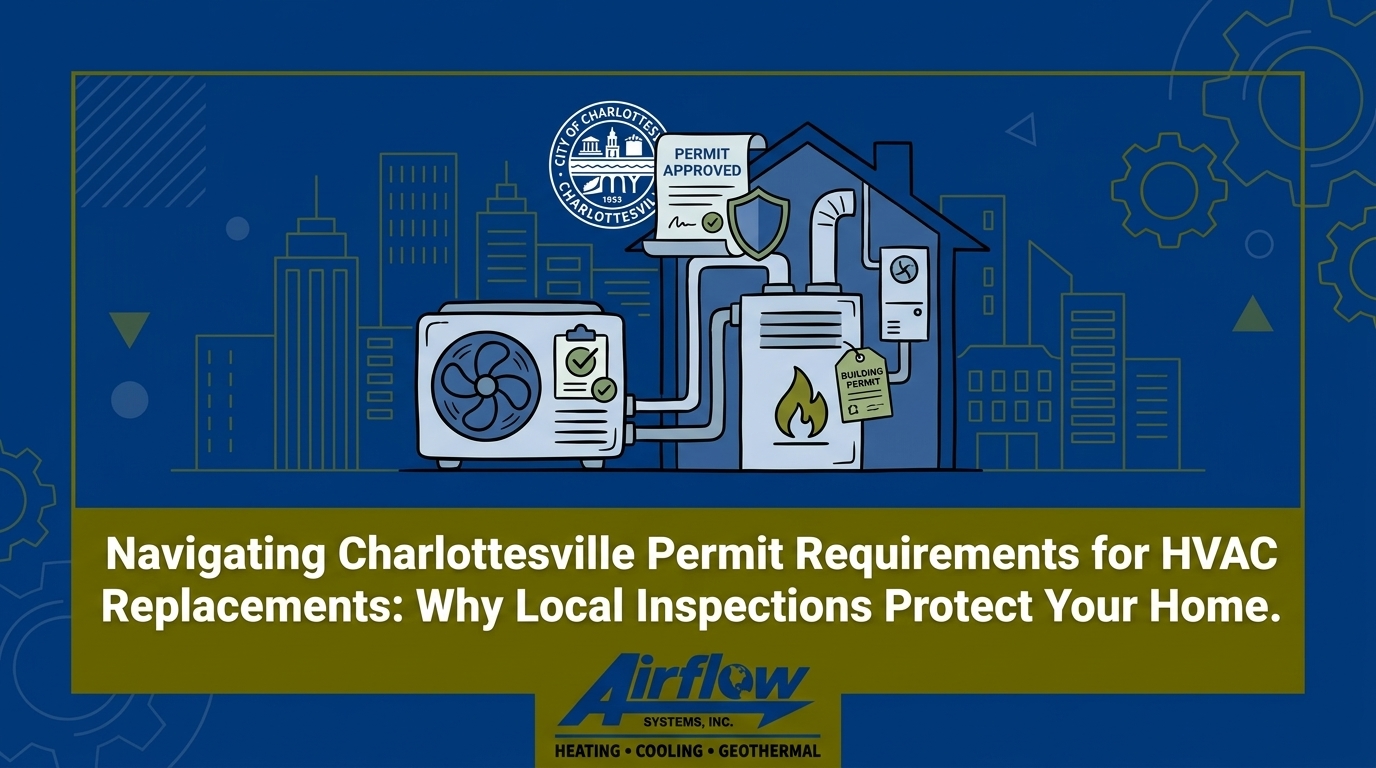
The Pre-Winter Rush: Why Proper Protocol Matters for HVAC Upgrades
At Airflow Systems, we see it every year: your aging furnace is making strange noises, the pre-heating season (early fall) is quickly slipping away, and navigating Charlottesville permit requirements for HVAC replacements might feel like an unnecessary hurdle when you just want reliable heat restored. It is incredibly common for homeowners to feel a sense of urgency as the leaves turn and nighttime temperatures drop. When faced with a failing system and the looming threat of freezing weather, the temptation to skip local building permits to speed up the installation timeline can be strong.
However, rushing a major mechanical swap without proper oversight is a significant risk. Professional HVAC system upgrades require strict adherence to local building and safety codes for a reason. These codes exist to ensure that high-voltage electrical connections, natural gas lines, and pressurized refrigerants are handled correctly. Ultimately, insisting on proper protocol for a new heat pump installation or furnace swap is the absolute best protection for your home, your family, and your financial investment.
Understanding Mechanical Codes Across the Charlottesville Service Area
Whether you live in the heart of the city or out in the county, major home improvements are governed by the Virginia Uniform Statewide Building Code (USBC). This comprehensive set of regulations mandates that mechanical permits be pulled for all major HVAC equipment replacements. While the state sets the rules, local municipalities are responsible for enforcing them.
Having served the Charlottesville service area for years, our team navigates these local jurisdictions daily. Enforcement is handled by two distinct jurisdictions. Residents within city limits will deal with the City of Charlottesville Neighborhood Development Services (NDS), while those in the surrounding county fall under the Albemarle County Community Development Building Division. Though they operate separate offices and have slightly different application portals, both entities rigorously enforce the exact same state safety codes to protect homeowners in Charlottesville and Albemarle County.
One common point of confusion we encounter is knowing exactly when a permit is legally required. The distinction generally comes down to the scope of the work being performed.
• Routine Maintenance — Permit Requirement: Not Required — Typical Examples: Filter changes, coil cleaning, tune-ups, clearing condensate lines.
• Minor Component Repair — Permit Requirement: Not Required — Typical Examples: Replacing a faulty capacitor, swapping a thermostat, repairing a fan motor.
• Direct Equipment Replacement — Permit Requirement: Required — Typical Examples: Swapping an old outdoor AC condenser, replacing a failed gas furnace.
• Full System Overhaul — Permit Requirement: Required — Typical Examples: Installing a completely new dual-fuel heat pump system and modifying ductwork.
The bottom line: If a technician is disconnecting and reconnecting high-voltage wiring, altering gas piping, or replacing the primary heating and cooling units, a mechanical permit is mandatory under Virginia law.
The Local Inspector: Your Free, Third-Party Safety Advocate
We often hear homeowners view the local building inspector as a bureaucratic delay, especially during the busy pre-heating season (early fall) when scheduling can be tight. It is much more accurate—and beneficial—to reframe the inspector as a highly trained, independent expert whose sole job is to verify that your contractor's work meets strict safety standards. You are already paying for this oversight through your local taxes and permit fees; utilizing it is simply smart homeownership.
When an inspector arrives to review a furnace replacement or heat pump installation, they are looking for specific, critical safety markers that an untrained eye would easily miss. Their independent verification ensures that complex, dual-fuel, or high-efficiency systems will operate safely under heavy loads.
• Proper electrical connections: Verifying that the breaker sizing matches the equipment specifications and that exterior disconnect boxes are safely installed and weatherproofed.
• Safe gas line routing: Checking for proper drip legs (sediment traps) on gas furnaces, ensuring correct pipe sizing, and verifying that shut-off valves are accessible and leak-free.
• Secure venting and exhaust: Confirming that combustion gases from furnaces are properly drafted to the exterior of the home, preventing the deadly risk of carbon monoxide buildup inside the living space.
• Clearances and airflow: Ensuring the equipment has the manufacturer-required physical space around it for safe operation and future maintenance access.
This independent verification is especially crucial when timelines are tight. For example, our installation crew recently helped a local property owner who found themselves under strict real estate contract deadlines and needed a new minisplit system installed quickly for a small apartment. Because the installation was properly permitted and inspected despite the compressed timeline, the transaction closed smoothly, and the highly efficient system exceeded expectations safely. The inspector acts as the final quality assurance check, guaranteeing that speed never compromises safety.
Hidden Risks of Skipping the Mechanical Permit
The problem: Skipping the permitting process might seem like a clever way to save a few days and bypass municipal paperwork. In our experience, some uncredentialed installers may even suggest that permits are unnecessary for "simple" swaps.
The cause: This usually stems from a desire to cut corners, hide unlicensed work, or rush through jobs during peak seasons. However, Central Virginia's climate is unforgiving. Charlottesville's freezing winters and hot, humid summers put immense, continuous strain on HVAC systems. When equipment is installed poorly and never inspected, it is practically guaranteed to fail when the system is working its hardest.
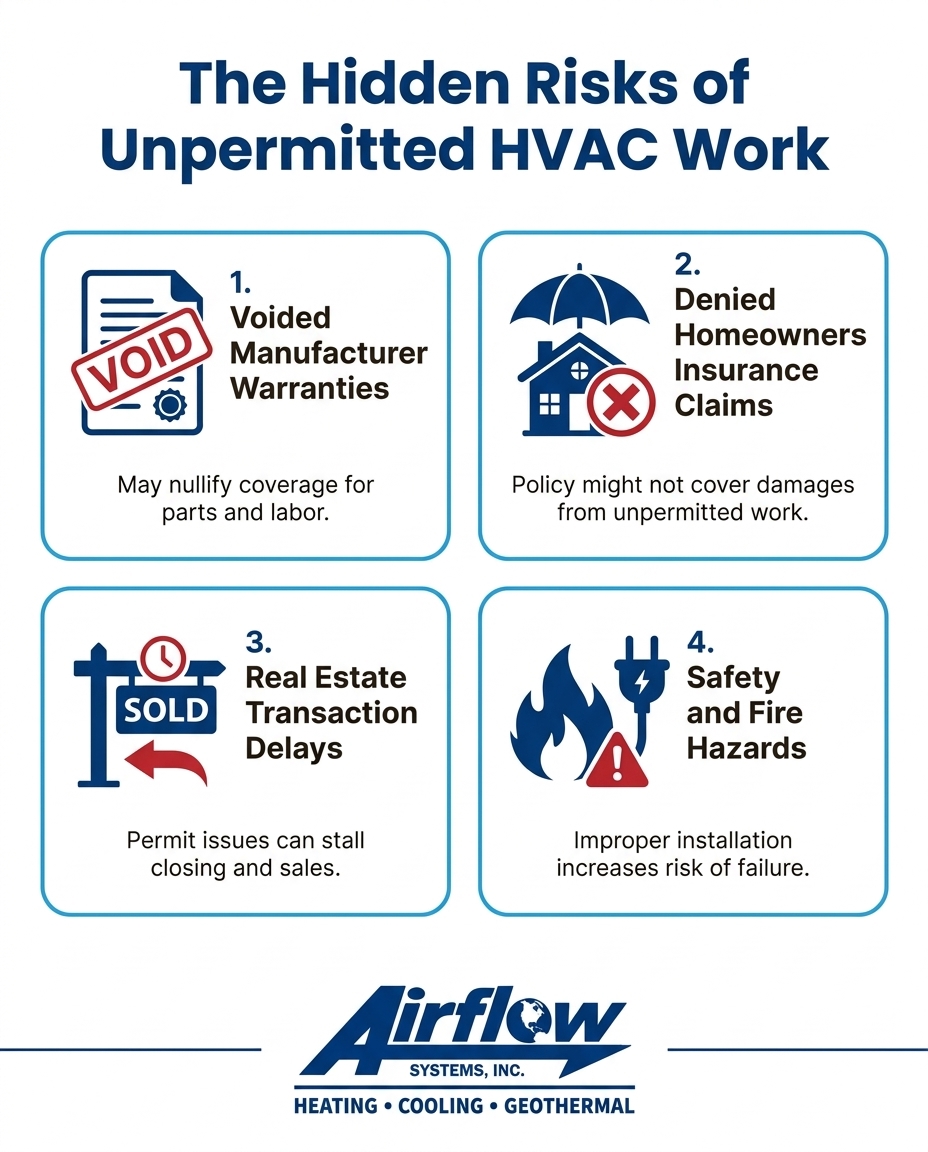
The solution: Insisting on a permitted, code-compliant installation protects you from severe financial and physical risks. Beyond immediate safety concerns, unauthorized work jeopardizes your manufacturer warranties. Modern HVAC equipment comes with strict installation requirements. If a compressor fails prematurely and the manufacturer discovers the unit was installed without a permit and final inspection in Charlottesville and Albemarle County, they can—and frequently do—void the warranty entirely, leaving you responsible for the replacement costs.
Protecting Your Homeowners Insurance
We frequently warn homeowners that the most significant hidden risk involves your homeowners insurance policy. The vast majority of insurance policies contain clauses requiring that all major home modifications and mechanical replacements meet local building codes. If an unpermitted gas furnace causes a fire, or an improperly wired heat pump causes severe electrical damage, the insurance adjuster will investigate the source.
If the damage is traced back to unpermitted, uninspected work, your insurance provider has legal grounds to deny the claim. This liability loophole can leave homeowners completely financially responsible for catastrophic property damage, turning a seemingly quick and cheap installation into a devastating financial burden.
Real Estate Implications: Disclosing Unpermitted Work
Even if an unpermitted system runs smoothly for years, the lack of documentation will eventually catch up with the property, usually at the worst possible time: when you decide to sell. Virginia real estate disclosure laws require homeowners to be truthful about the condition of the property, and buyers' agents are increasingly diligent about pulling municipal records to verify that major home improvements were done legally.
Our technicians are frequently called in to help when a buyer's home inspector flags a newer HVAC system and discovers there is no permit on file in Charlottesville and Albemarle County, which can immediately stall the real estate transaction. Buyers may demand that the seller pay for retroactive permitting, which often involves hiring a new contractor to open up walls or dismantle parts of the system so the local inspector can view the concealed work. In worst-case scenarios, the buyer may simply walk away from the deal, fearing other hidden, unpermitted defects in the home.
Conversely, a documented, permitted installation adds verifiable value to a home's appraisal. It provides the new buyer with profound peace of mind, proving that the home has been maintained by professionals who follow the rules and prioritize safety. When you pull a permit, you are actively protecting your property's future resale value.
How a Reputable Contractor Handles the Permitting Process
One of the clearest indicators of a professional HVAC company is how they handle municipal paperwork. A licensed, professional contractor should manage the entire permit application process and schedule the final inspections, completely removing the administrative burden from the homeowner. You should never be asked to go down to the county office to pull a mechanical permit yourself as a "homeowner permit"—that is a massive red flag indicating the installer lacks the proper licensing or insurance to do it themselves.
At Airflow Systems, our team maintains an uncompromising stance on always pulling required local permits. This is a core standard of transparency that protects homeowner liability, ensures manufacturer warranties remain fully intact, and guarantees the highest level of safety. A reputable family-owned HVAC company knows that adhering strictly to local codes is non-negotiable, even when navigating tight spaces or complex basement installations during the pre-heating season (early fall).
What to expect from a professional permitting process:
1. Upfront Inclusion: The cost of the permit and the administrative time to file it should be clearly outlined in your initial project estimate.
2. Application Management: The contractor submits the technical specifications, load calculations, and equipment details to the local jurisdiction on your behalf.
3. Code-Compliant Installation: The installation team performs the work exactly to the Virginia USBC standards, knowing their work will be scrutinized by an expert.
4. Inspection Scheduling: Once the system is running, the contractor coordinates with the local building department to schedule the final walkthrough.
5. Final Sign-Off: The inspector approves the work, and the closed permit is officially attached to your property's municipal record.
This commitment to doing things right extends to every part of the job. For instance, a local homeowner recently told us during a pre-heating season tune-up that our technician performed incredibly thorough service, ensuring every minor detail was addressed and the job was done exceptionally well. That same rigorous attention to detail is exactly what a reputable contractor brings to the mechanical permitting process.
Frequently Asked Questions About Local HVAC Permits
Do I need a permit to replace my heat pump in Virginia?
Yes, replacing a heat pump requires a mechanical permit under the Virginia Uniform Statewide Building Code. Because a heat pump installation involves high-voltage electrical connections and pressurized refrigerant lines, local jurisdictions require an inspection to verify the unit is installed safely and meets all manufacturer clearances. Minor repairs to an existing heat pump do not require a permit, but full equipment swaps absolutely do.
Who is responsible for pulling the HVAC permit in Charlottesville?
Your licensed HVAC contractor is responsible for pulling the permit. A professional company will handle all the paperwork with the City of Charlottesville Neighborhood Development Services or Albemarle County on your behalf. Homeowners should never pull the permit themselves for contractor-performed work, as doing so assumes all liability for the installation's safety and code compliance.
What happens if I replace my AC or furnace without a permit?
Replacing major HVAC equipment without a permit can void your manufacturer warranty and leave you liable for damages. If an electrical fire or gas leak occurs due to improper installation, your homeowners insurance provider may deny the claim because the work was unpermitted. Additionally, unpermitted work in Charlottesville and Albemarle County can stall future real estate transactions until retroactive permits and inspections are completed.
Does replacing a gas furnace require a different permit than a heat pump?
Both require a mechanical permit, but a gas furnace installation involves additional scrutiny regarding gas line connections and exhaust venting. The local inspector will specifically check the gas drip legs, shut-off valves, and flue pipe pitch to ensure carbon monoxide safely exits the home. While the primary permit type is the same, the safety checklist the inspector uses is tailored to the specific fuel source of the equipment.
How long does the Albemarle County mechanical permit process take?
For standard residential HVAC replacements, the initial permit application is typically processed within a few business days. Reputable contractors usually handle this seamlessly before the installation begins. The final inspection is scheduled after the work is complete, and while wait times vary based on the season, the system can generally be used safely while awaiting the inspector's final sign-off.
Secure Your Home's Comfort and Compliance This Fall
As the pre-heating season (early fall) brings cooler temperatures to the valley, taking the time to do your HVAC replacement right is the best way to prepare for the winter months. Skipping the permitting process might seem like a shortcut, but it ultimately exposes your home to unnecessary safety hazards, voids vital warranties, and creates massive liability risks. Partnering with a contractor who values strict code compliance means you are investing in long-term safety and reliable comfort.
You deserve the peace of mind that comes from knowing your new system has been independently verified to operate safely under the heaviest winter loads. If you are considering a major system upgrade this season, ensure the job is done by the book. Reach out to our team at Airflow Systems today to discuss your upcoming heat pump installation and experience the reassurance of a fully permitted, professional replacement.
Book Expert Service Or Contact Us
Our Service Process
A Hassle-Free Service Experience
01
Consultation & Diagnosis
We start by listening to your needs and performing a thorough diagnosis of your system to recommend the best solution.
02
Transparent Quoting
We provide a clear, upfront estimate with no hidden fees, so you know exactly what to expect.
03
Expert Service & Follow-Up
Our factory-trained technicians complete the work to the highest standards, and we follow up to ensure your complete satisfaction.
testimonials
What Our Customers Are Saying
Our customers consistently praise our exceptional service and attention to detail, making us a trusted choice for all your HVAC needs.
where we operate
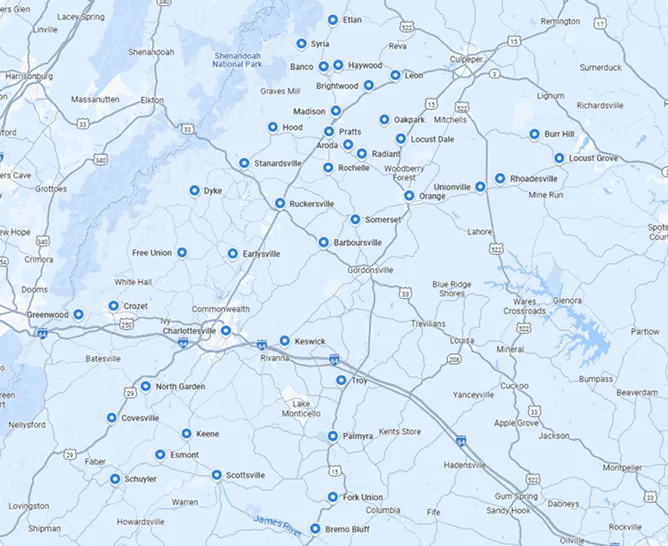
Service areas